
Last updated September 23, 2026
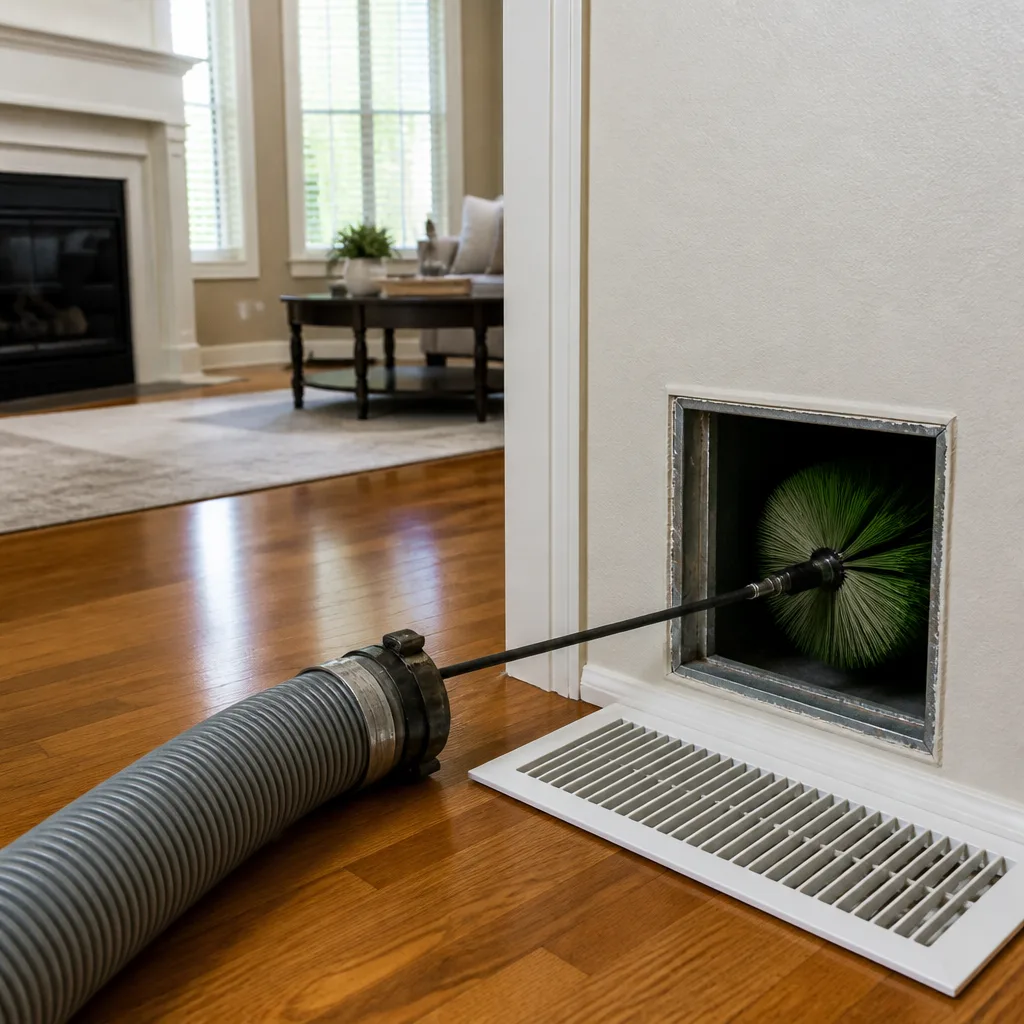
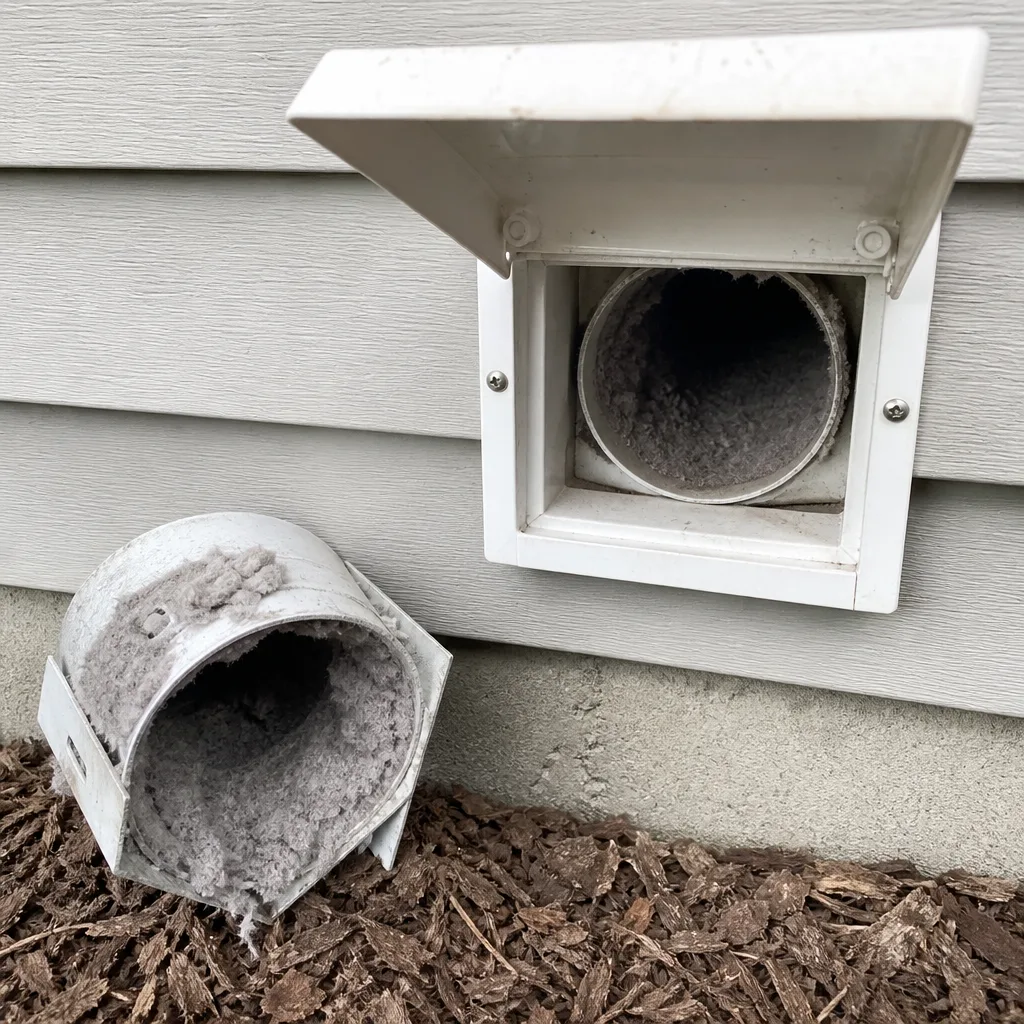
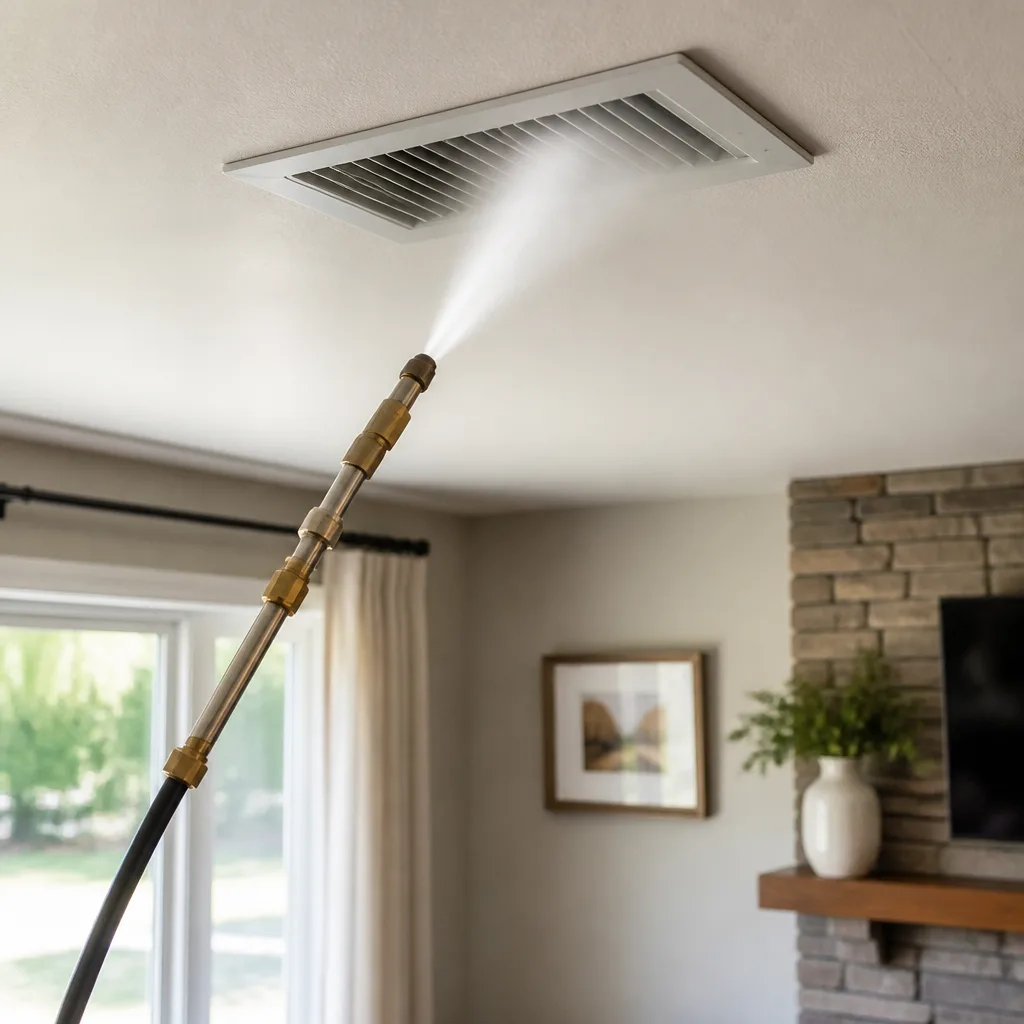
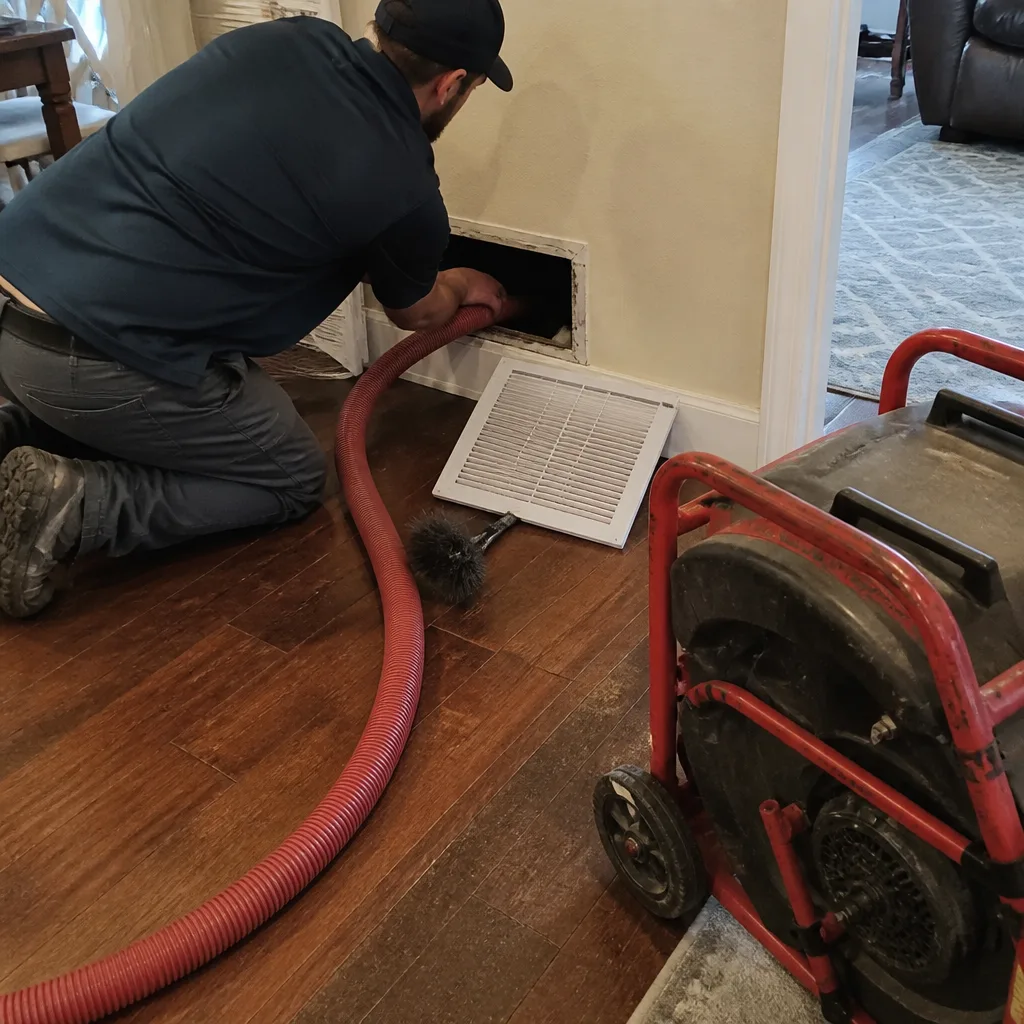
Whole-system duct and dryer vent check with before-and-after photos - you see exactly what came out of your vents
That "$99 whole-house special" is a bait ad - the real number appears once they are in your hallway, or the "clean" is a shop-vac at the register. We photograph the inside of your ducts before and after instead.
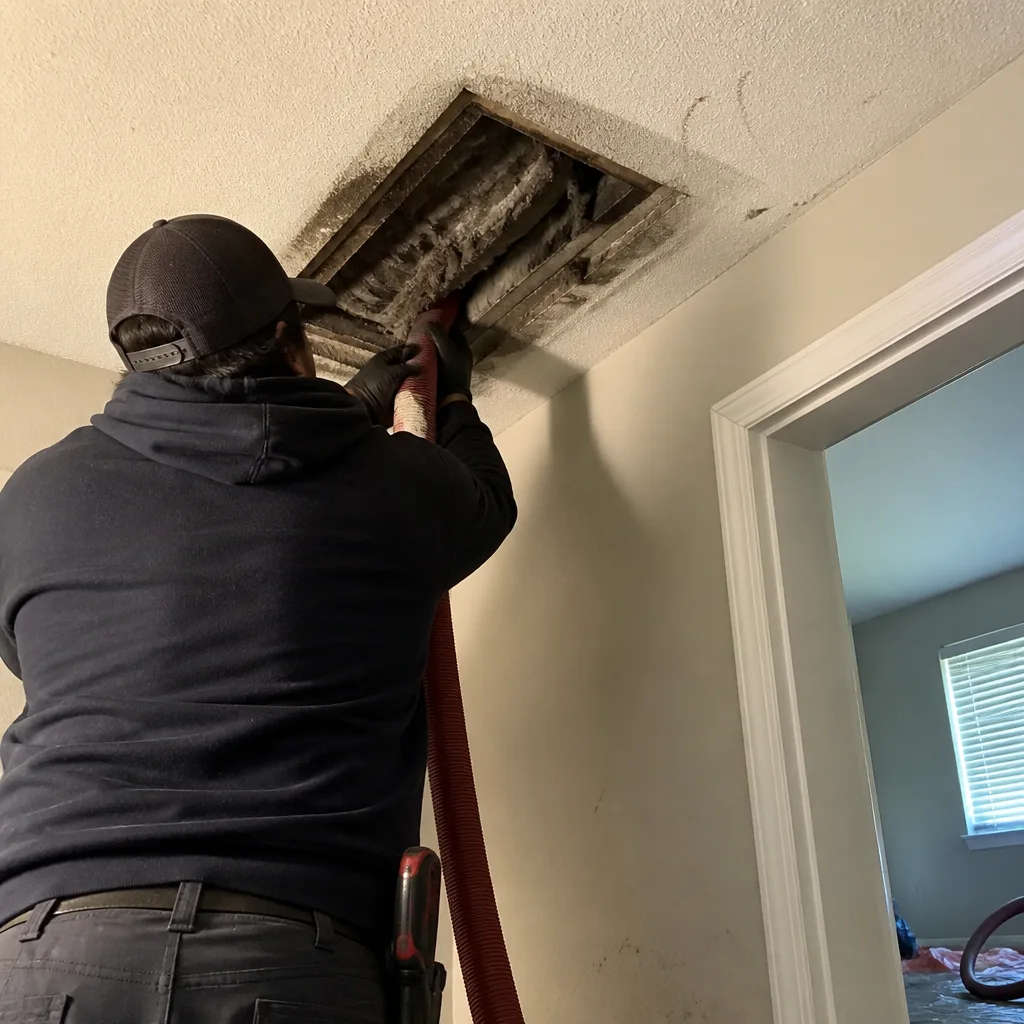 Before
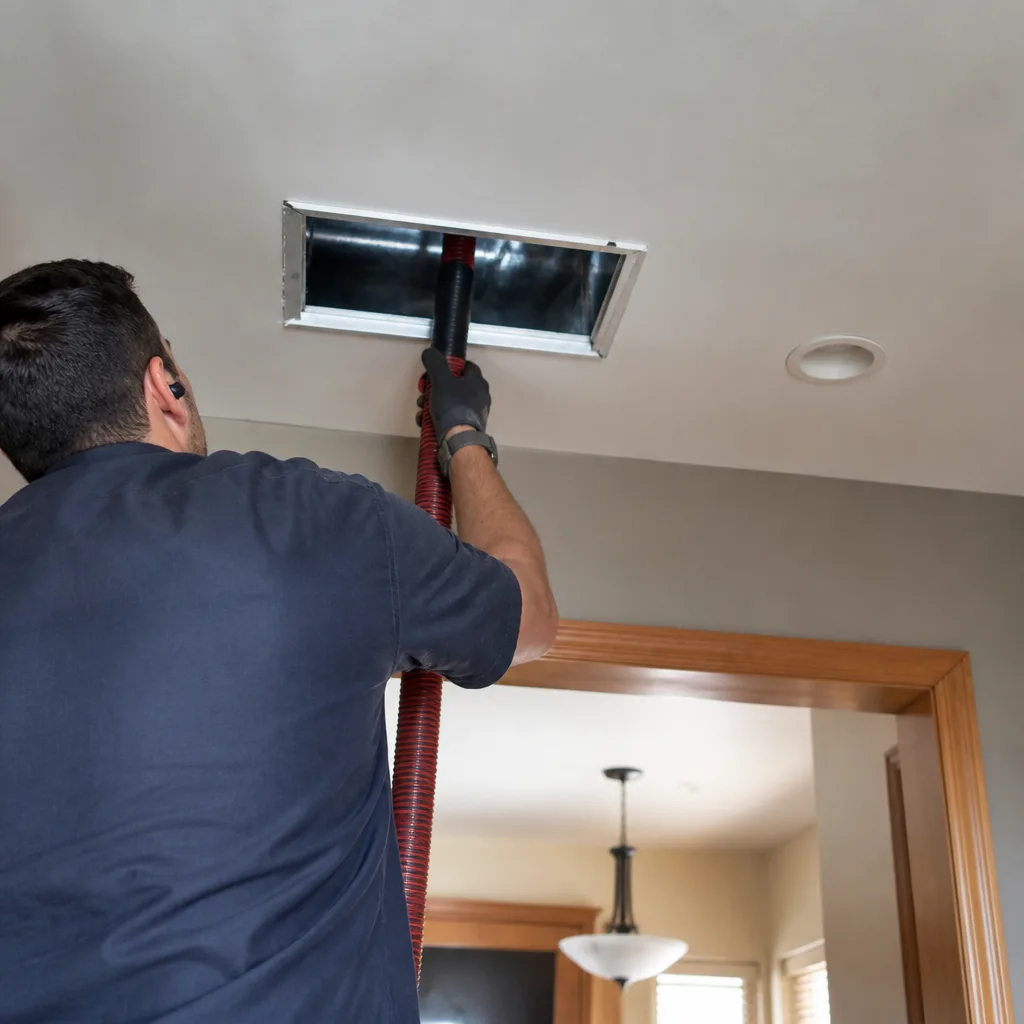 After
After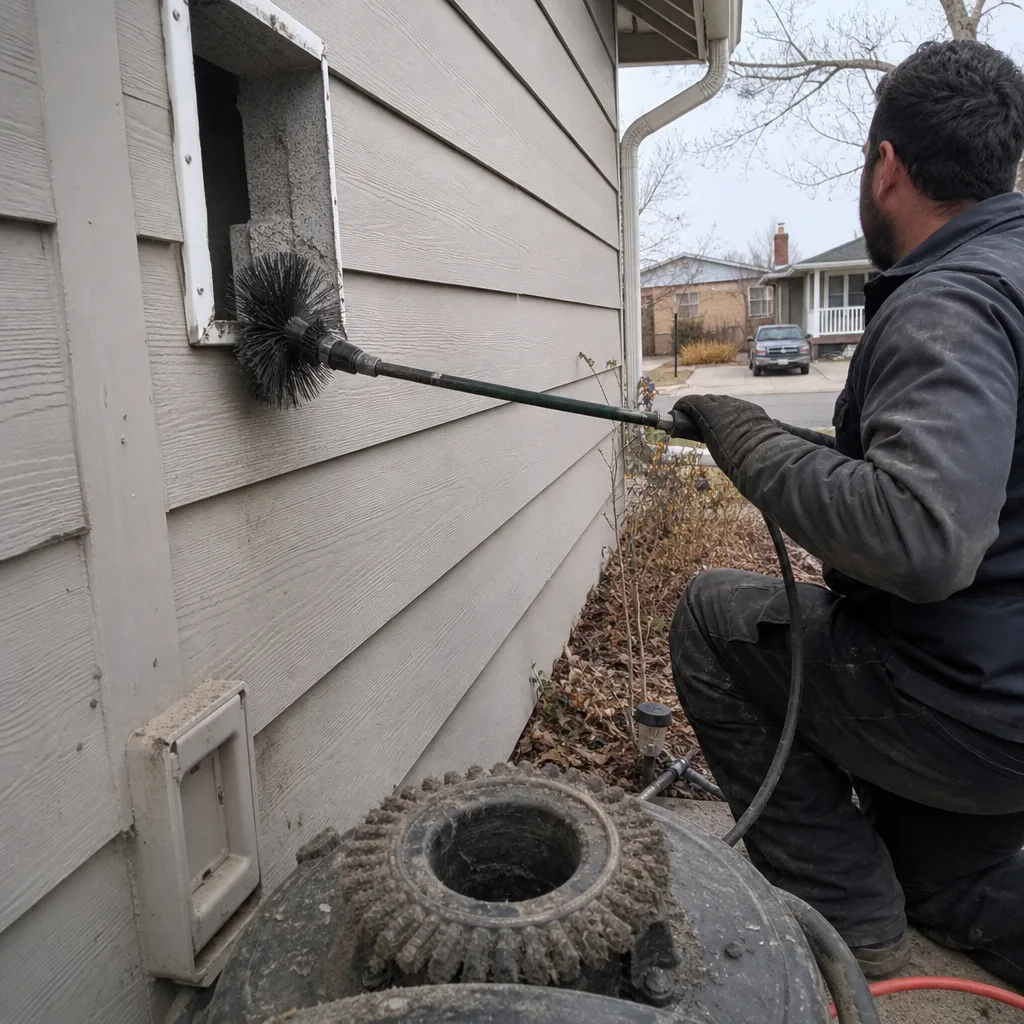 Before
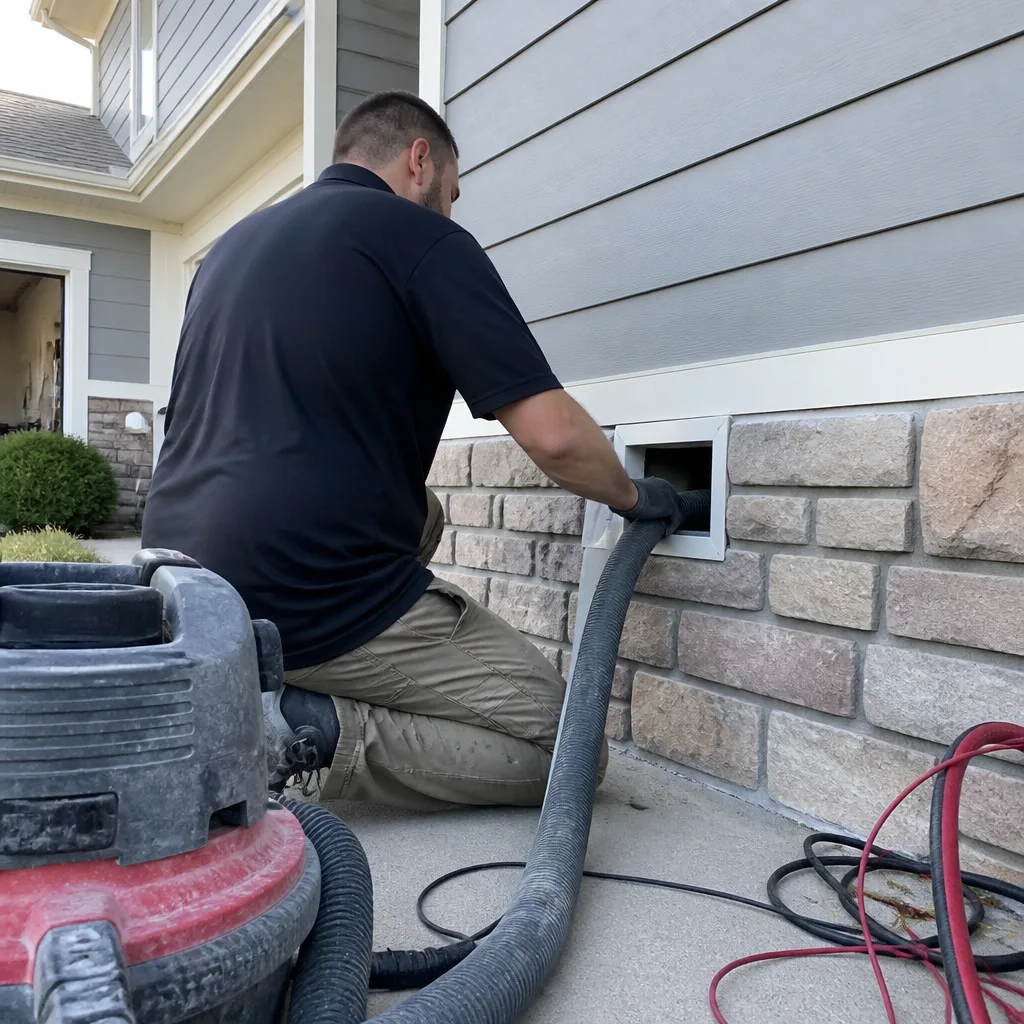 After
After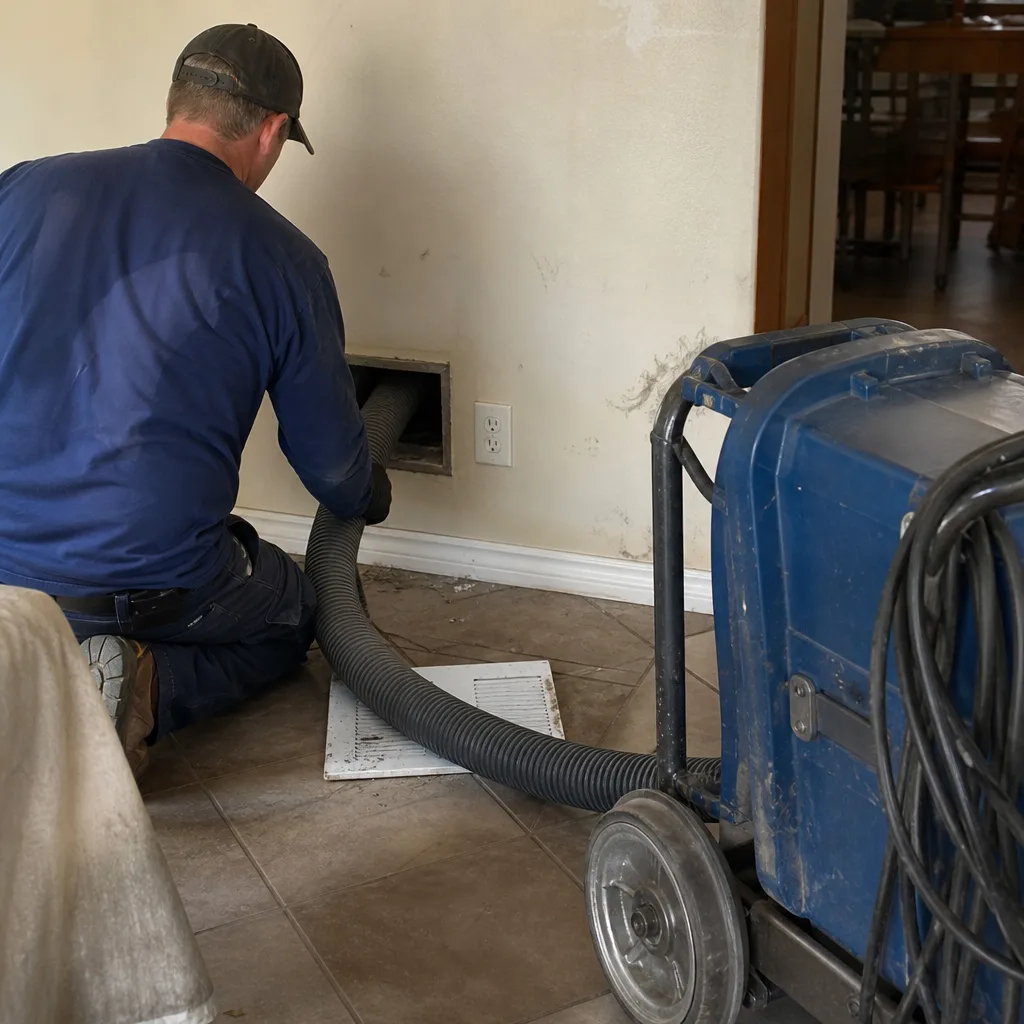 Before
 After
AfterAir Duct Cleaning Permits, Codes & Inspections in CO: What You Need to Know
Most Parker homeowners assume the technician waving a vacuum hose in their basement has the legal standing to fix whatever they find. They don’t. In 2019, we documented a disconnected return duct in a Canterberry home where the cleaning crew offered to “just reconnect it” for $400 cash, no paperwork. That repair required a mechanical permit under Parker’s adopted International Mechanical Code. The homeowner learned this when their 2022 buyer’s inspector flagged the unpermitted modification. This guide - alongside our The Complete Guide to Air Duct Cleaning in Parker - explains where Colorado duct cleaning ends and permit-required duct repair begins, how to verify who’s legally qualified to do the work, and what paperwork protects your sale price.
Quick Answer
Air duct cleaning itself requires no permit in Colorado. However, duct repair tasks often discovered during cleaning - reconnecting separated joints, sealing leaks with mastic beyond maintenance scope, or modifying supply runs - may require a mechanical permit under Parker’s adopted International Mechanical Code and a licensed HVAC contractor. The distinction hinges on whether the work is classified as maintenance (cleaning) or modification (repair).
Table of Contents
- How Colorado Adopts and Enforces the International Mechanical Code
- Cleaning vs. Repair: The Legal Distinction That Matters
- Which Duct Tasks Require a Permit in Parker
- What Unpermitted Duct Work Means for Your Home Sale
- How to Verify a Colorado HVAC Contractor License in Two Minutes
- The Three-Part Paperwork Checklist Every Homeowner Needs
- How CleanRun Handles Duct Repair Findings
- Common Mistakes to Avoid
- When to Call a Professional
- Frequently Asked Questions
BeforeAfterHow Colorado Adopts and Enforces the International Mechanical Code
Colorado does not maintain a statewide mechanical code. Instead, the Department of Local Affairs publishes a model code that jurisdictions may adopt, modify, or ignore. Parker and Douglas County operate under the 2021 International Mechanical Code (IMC) with local amendments, administered by the Douglas County Building Division.
The IMC Section 106.2 establishes permit requirements for “installation, alteration, repairs, relocation, replacement, addition to, or use of” mechanical systems. The critical word is “alteration.” Cleaning - the removal of accumulated debris from existing ductwork - does not alter the system. Repair, however, changes the system’s configuration, capacity, or integrity.
Parker’s local amendment adds specificity. Mechanical permits are required for:
- New duct runs extending from existing trunk lines
- Replacement of trunk sections exceeding 10 linear feet
- Sealing of joints with mastic or tape where the original fastening method is replaced
- Relocation of supply or return registers
- Installation of dampers where none previously existed
Maintenance activities - vacuuming debris, brushing interior surfaces, sanitizing with EPA-registered products - fall outside this scope. The line blurs when cleaning reveals damage that “requires” immediate repair. A technician with a Rotobrush in one hand and a roll of mastic tape in the other may not recognize they’ve crossed into Air Duct Cleaning Warning Signs: A Parker Homeowner’s Reference Guide territory.
We’ve photographed this confusion repeatedly. In a 2022 Stonegate job, our pre-cleaning inspection found a previous cleaning company had wrapped a separated trunk joint with foil tape and called it “duct sealing included.” The tape failed within 18 months. Because the original mechanical fastening was replaced with adhesive, that work constituted an alteration under IMC interpretation. No permit was pulled. The homeowner faced a $340 re-do plus permit fees.
Douglas County’s building division inspects mechanical work for code compliance, not quality of cleaning. Their inspectors verify that duct sizing matches load calculations, that materials meet flame-spread ratings, and that access panels maintain system integrity. A cleaning company without HVAC licensure cannot legally perform this work, and a homeowner who permits it assumes liability.
Cleaning vs. Repair: The Legal Distinction That Matters
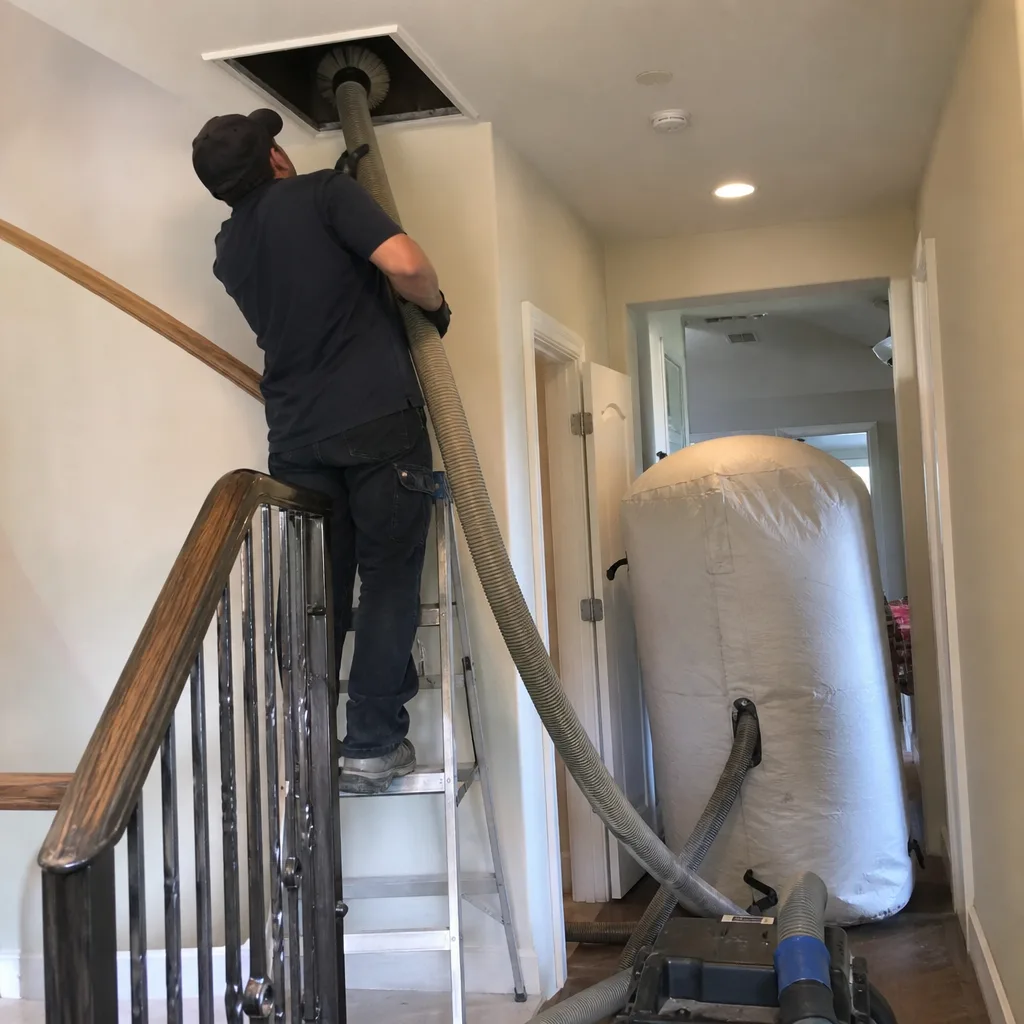
The industry deliberately obscures this boundary. “Full-service duct cleaning” packages often include “sealing” or “repair” as add-ons, performed by the same technician with the same equipment, billed on the same invoice. Colorado law draws a sharper line.
Cleaning is defined as the removal of contaminants from existing, intact ductwork. The system’s design, materials, and connections remain unchanged. Repair modifies or restores the system’s physical structure. Three scenarios illustrate the difference:
- Scenario A: Debris removal. A Rotobrush system with HEPA negative-pressure extraction removes dust and construction residue from a duct run in a 2018 Pradera home. The ductwork is intact. This is cleaning. No permit.
- Scenario B: Joint reconnection. Cleaning reveals a separated flex duct joint at the plenum (the central distribution box where conditioned air divides into duct runs). The technician reconnects the joint and secures it with a new clamp. This is repair. Potential permit requirement, depending on whether the joint was originally mechanically fastened.
- Scenario C: Mastic application. Multiple leaks are found at trunk connections. The technician applies mastic sealant to joints exceeding 10 linear feet of cumulative repair. This is alteration under Parker’s IMC amendment. Permit required.
The practical problem: most cleaning technicians cannot distinguish Scenario B from C in real time. Their training covers equipment operation, not code interpretation. Their compensation incentivizes completing the job, not stopping to research permit thresholds.
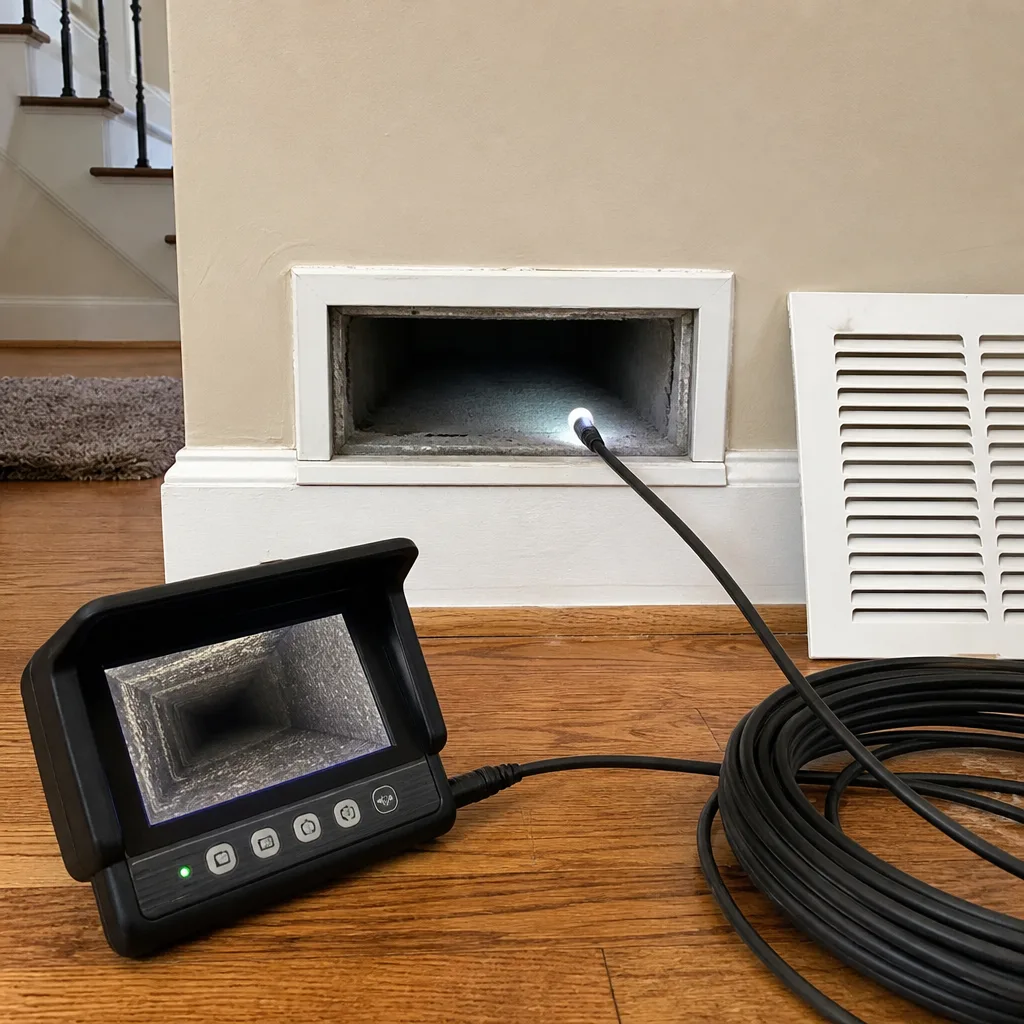
We’ve developed a protocol at CleanRun. When our inspection camera - a Guardsman borescope with 1080p recording - documents damage beyond cleaning scope, we stop. The customer receives the photo, a written description of what was found, and a recommendation to engage a licensed HVAC contractor for repair. We do not offer to “just fix it while we’re here.” Haven Standard Clause 1 (Written Price Before Work) and Clause 4 (Documented Record) apply to cleaning only; we will not perform work we are not licensed to permit.
This costs us revenue. A competitor might capture that $400 repair. But the documented photo record protects the homeowner’s saleability, and our 365-Day Done Right Promise covers only work we performed legally.
Which Duct Tasks Require a Permit in Parker
Parker’s building division, operating under Douglas County, applies the following permit framework to residential ductwork. These determinations come from direct consultation with county officials and our experience navigating the process for customers whose repair needs exceed our cleaning scope.
| Task | Permit Required? | Licensed HVAC Contractor Required? | Typical Parker Fee |
|---|---|---|---|
| Air duct cleaning (debris removal only) | No | No | N/A |
| Register cleaning and reinstallation | No | No | N/A |
| Single joint reconnection with original clamp type | No | No (if properly trained) | N/A |
| Mastic sealing, <10 linear feet cumulative | No | No | N/A |
| Mastic sealing, >10 linear feet cumulative | Yes | Yes | $150-$280 |
| Trunk line modification or replacement | Yes | Yes | $280-$450 |
| New duct run from existing trunk | Yes | Yes | $280-$450 |
| Return plenum modification | Yes | Yes | $280-$450 |
| Damper installation | Yes | Yes | $150-$280 |
These fees are current as of our 2024 permit pulls for customers in The Pinery and Bradbury Ranch. They exclude plan review fees for complex modifications. Fees are set by Douglas County and subject to change; verify current rates at douglas.co.us/building.
The 10-foot mastic threshold is particularly consequential. A typical Parker ranch built 2005-2015 has approximately 120 linear feet of ductwork. Leaky joints at 8-10 connection points can easily exceed 10 feet of cumulative repair. A technician applying mastic “where needed” without measuring may trigger permit requirements unknowingly.
Climate amplifies this in Parker. Our semi-arid conditions with freeze-thaw cycles stress duct sealants differently than humid climates. Mastic that appears adequate at application may fail at temperature extremes. Inspectors know this; they check application thickness and coverage against manufacturer specifications, not visual completeness.
What Unpermitted Duct Work Means for Your Home Sale
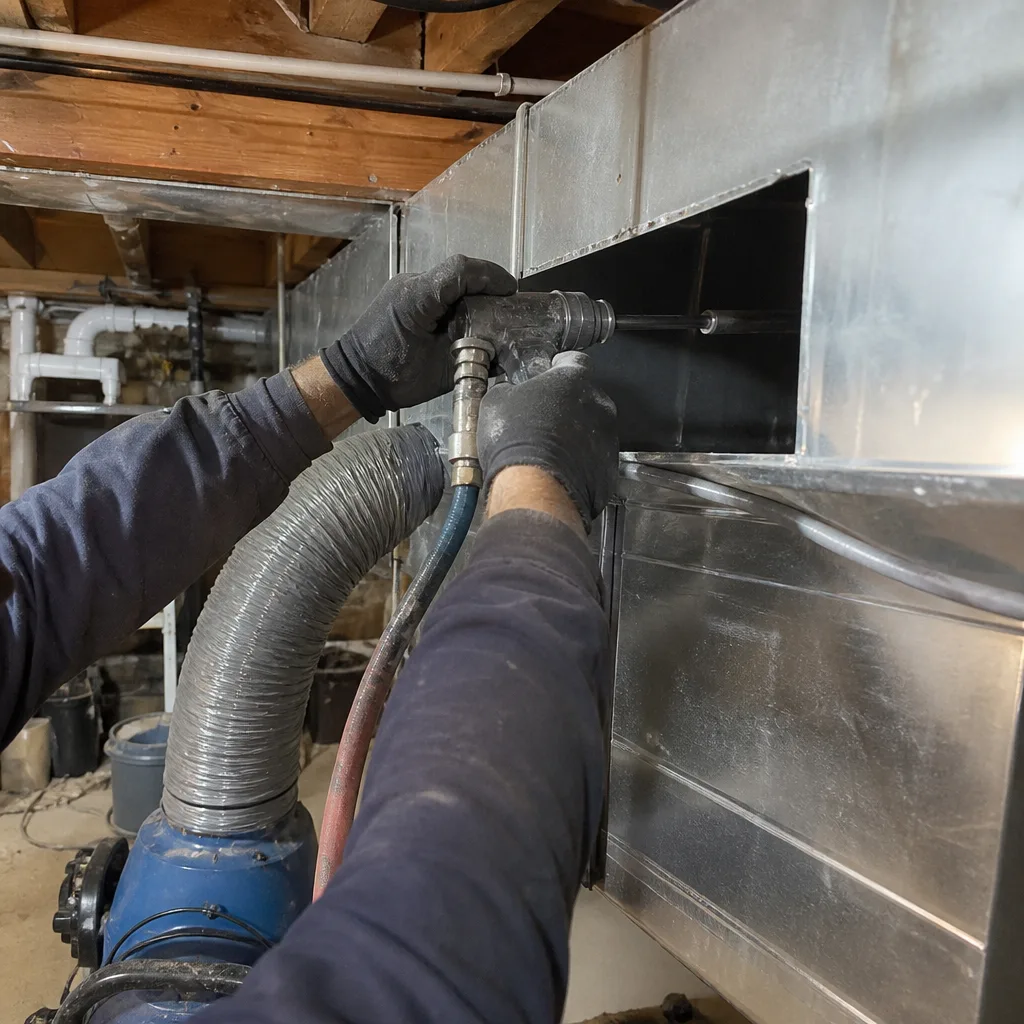
Colorado’s seller disclosure form (Property Disclosure to Buyer, CRS Form 7) requires disclosure of “any structural modifications or repairs made without required permits.” Ductwork modifications qualify. The disclosure obligation exists regardless of whether the work was performed by a previous owner, a contractor, or a cleaning company technician.
Here’s how it surfaces in practice. A Parker homeowner in 2021 hired a “duct cleaning and sealing” company that applied mastic throughout the system and installed a new return drop. No permit was pulled. In 2024, the buyer’s inspector - following ASHI standards that require visible ductwork evaluation - noted the new return drop and requested permit documentation. None existed. The seller faced three options:
- Obtain a retroactive permit, requiring inspection, potential drywall removal for access, and possible code-compliance modifications ($800-$2,400)
- Disclose the unpermitted work and accept a price reduction or buyer walkaway
- Remove the modification and restore original configuration, with permit for the removal
The seller chose option 1. The retroactive inspector found the return drop undersized for the furnace’s CFM rating, requiring replacement. Total cost exceeded $3,000. The original “sealing” service cost $899.
Title insurance does not cover unpermitted work. Neither does homeowner’s insurance for consequential damage. The liability rests with the property owner at time of discovery, which may not be the owner who commissioned the work.
For homes in Parker’s newer developments - Reunion, Meridian, or parts of Cottonwood - this risk compounds. These neighborhoods have active HOA architectural review committees that may require permit documentation for any mechanical modification. An unpermitted duct alteration discovered during HOA resale certificate review can delay closing.
Our recommendation, documented in every CleanRun job record where we find damage: obtain the repair permit, or retain written documentation that the work falls below the permit threshold. A photo of a single clamp reconnection with a dated invoice qualifies. A verbal assurance from a technician does not.
How to Verify a Colorado HVAC Contractor License in Two Minutes
Colorado’s Department of Regulatory Agencies (DORA) maintains a public license lookup at dora.colorado.gov/pls/efi/efi_p1v2.startup. Any homeowner can verify a contractor’s credentials before work begins. The process:
- Navigate to the DORA license search portal
- Select “Plumbing / Electrical / HVAC” from the profession dropdown
- Enter the contractor’s name or license number
- Review the returned record for: license status (Active/Inactive), expiration date, and any disciplinary actions
A valid HVAC contractor license in Colorado requires passing a trade examination, demonstrating 2-4 years of experience depending on classification, and maintaining general liability insurance. The license number should be displayed on all proposals, invoices, and permit applications.
We publish our license number on every CleanRun proposal under Haven Standard Clause 3: Verified Crews. We encourage customers to verify it. A contractor who resists providing a license number, or provides only a business tax ID, is not licensed to perform permit-required work.
Additional verification steps specific to Parker:
- Contact Douglas County Building Division at (719) 259-4520 to confirm the contractor has pulled permits in the jurisdiction
- Request certificate of insurance naming you as additional insured for the project duration
- Verify the permit application lists the contractor’s license number, not a subcontractor’s
The two-minute DORA check has saved multiple Parker customers from unqualified operators. In 2023, a homeowner in Clarke Farms nearly hired a “duct specialist” whose license lookup revealed an inactive plumbing apprenticeship from 2017, no HVAC credential. The individual’s vehicle bore no company name, no license number, and no insurance documentation. These are common indicators of unlicensed operation.
The Three-Part Paperwork Checklist Every Homeowner Needs
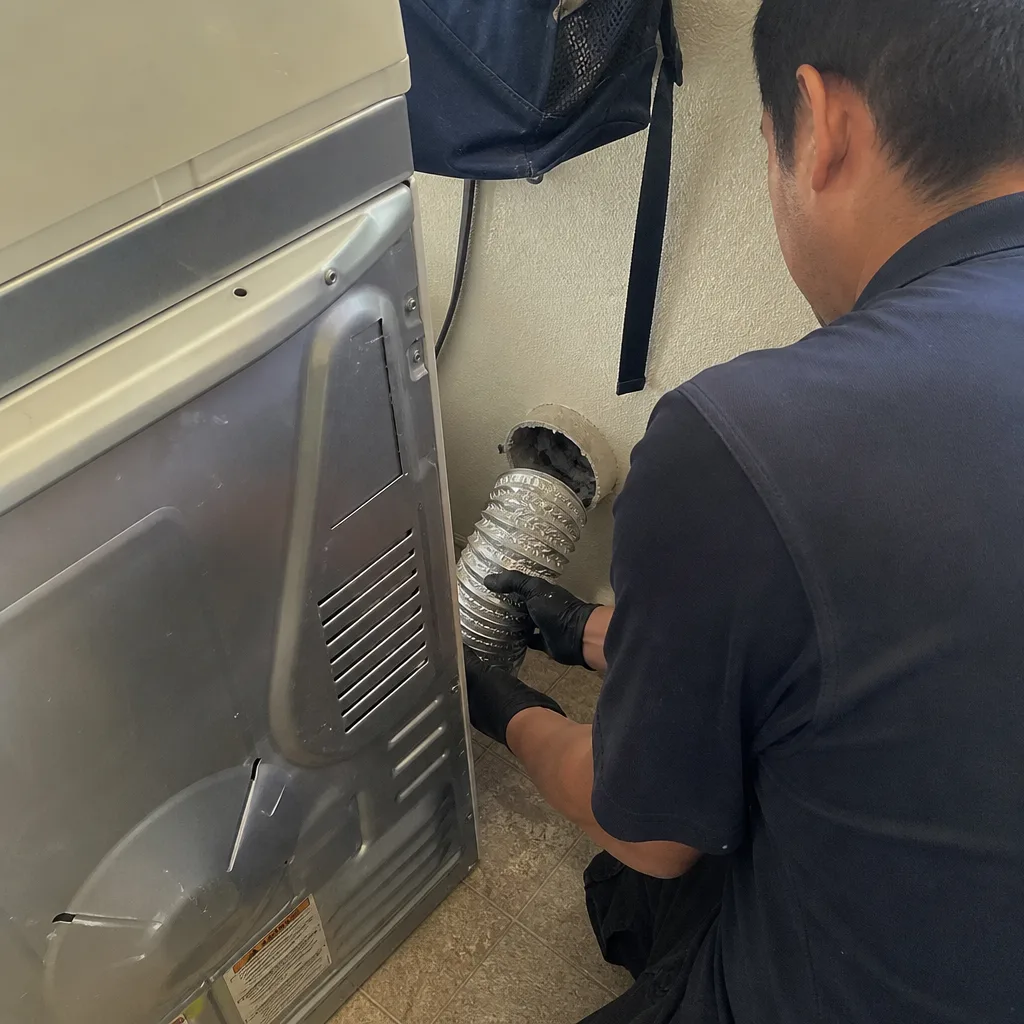
After any duct work that crosses into repair or modification, request these three items on a single document or assembled file:
- Permit number and jurisdiction. For Parker, this is a Douglas County mechanical permit beginning with “MEC-” followed by year and sequence. The permit should list the property address, scope of work, and licensed contractor.
- Inspection sign-off date. Final inspection approval with inspector signature or electronic verification. This confirms the work was examined for code compliance, not merely submitted for permit.
- Contractor license number. The specific HVAC license under which the work was performed, verifiable through DORA.
Retain these documents with your property records for the duration of ownership plus seven years. They transfer with the property and satisfy disclosure requirements.
CleanRun’s Air Duct Cleaning standard deliverable includes: written scope of work, itemized pricing under Haven Standard Clause 1, before-and-after photo record of every duct run, and technician identification. For repair referrals, we provide a written summary of findings with photo documentation to share with your licensed contractor. This ensures the contractor understands the scope before site visit, reducing diagnostic fees.
We do not perform permit-required work without the permit. We do not ask customers to “trust us” on threshold determinations. When our Nikro negative-pressure extraction system reveals damage, we document, we explain, and we refer. The photo record becomes your evidence if a future seller’s inspection questions system integrity.
How CleanRun Handles Duct Repair Findings
Our process is designed around the boundary between cleaning and repair, not around maximizing transaction size.
Every Air Duct Cleaning in Parker begins with a camera inspection using Guardsman borescopes. The technician records the interior condition of every accessible duct run. If damage is found - separated joints, crushed flex duct, deteriorated mastic, corroded trunk sections - the technician stops the cleaning process in that run and documents the finding.
The customer receives:
- A still image from the borescope showing the damage
- A written description using trade terminology with plain-language explanation
- A classification: “cleaning-obstructing” (debris we can remove) or “structural” (damage requiring repair)
- For structural findings, a referral to licensed HVAC contractors with no referral fee arrangement
We do not offer to “include the repair in the cleaning price.” Haven Standard Clause 1 requires written pricing before work; we cannot write a price for work we are not licensed to perform. We do not subcontract to HVAC contractors to capture the repair revenue. The customer chooses their own licensed professional.
After repair completion, we return to complete cleaning if requested, with new before-and-after documentation. The photo record then shows: original condition, post-repair condition, and final cleaned condition. This three-stage documentation is unique to our process and has proven valuable in three Parker home sales where buyers requested ductwork history.
Our equipment roster - Rotobrush for agitation, Nikro for negative-pressure extraction, Honeywell media filters for post-cleaning installation - is named on every proposal so customers can verify specifications independently. We do not claim performance beyond manufacturer documentation.
The CleanRun Air Duct Cleaning Parker home page details our full service scope and the H.A.V.E.N. Standard clauses governing every interaction.
Common Mistakes to Avoid
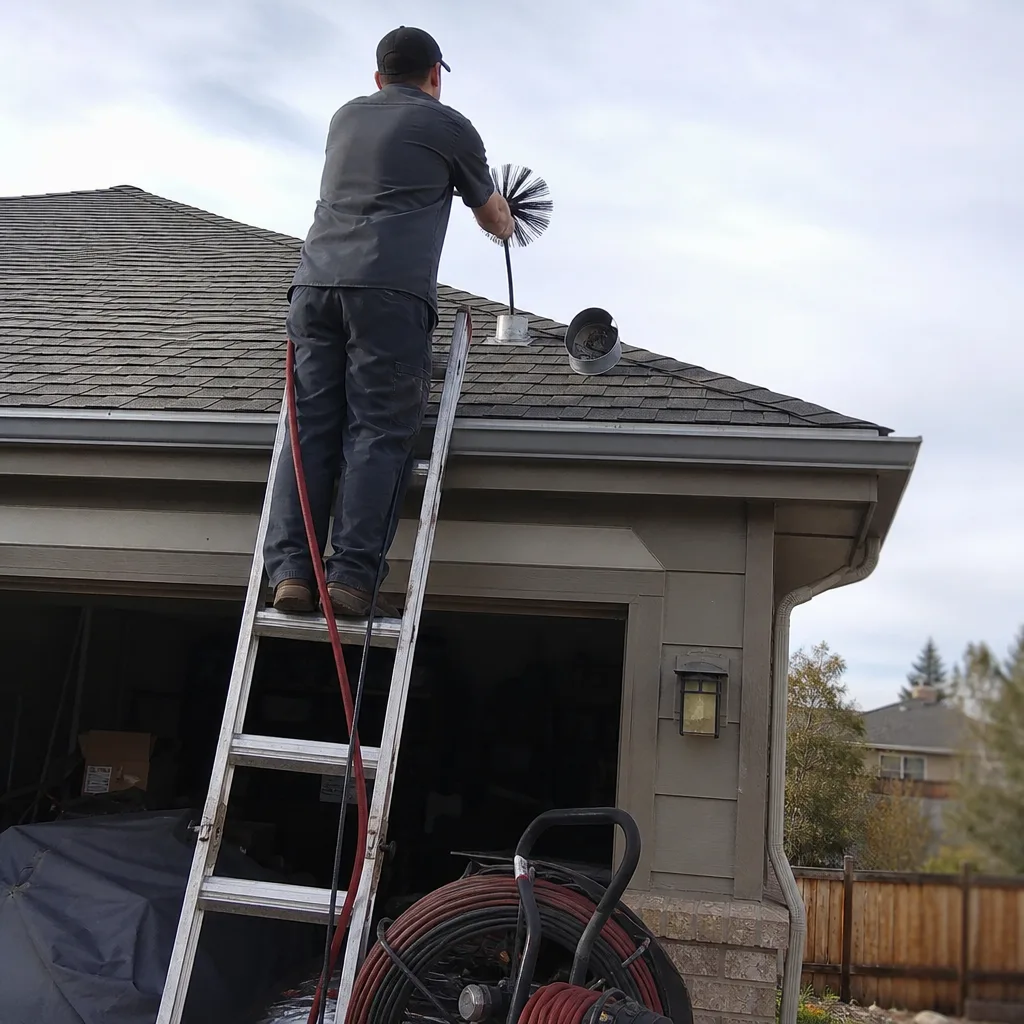
- Assuming “licensed and insured” means HVAC licensed. A business license and general liability policy allow a company to operate; they do not authorize mechanical system modification. Always verify the specific HVAC contractor license through DORA.
- Accepting verbal assurance that a repair is “just maintenance.” The maintenance versus modification determination is jurisdictional, not subjective. If mastic is applied, joints are reconnected with new materials, or duct runs are added, ask for the permit threshold in writing.
- Paying cash for “same-day repair” during a cleaning visit. This structure eliminates invoice documentation, permit tracking, and warranty recourse. A legitimate repair generates paperwork; absence of paperwork is a signal, not a convenience.
- Neglecting to request the final inspection sign-off. A permit without inspection approval is incomplete. Some contractors pull permits to appear legitimate but never schedule inspection. Verify completion through Douglas County’s online permit status portal.
- Discarding documentation after “minor” repairs. Colorado’s disclosure lookback has no statutory limit for unpermitted work. Documentation retained for the ownership period plus seven years covers typical ownership cycles and subsequent sale.
- Hiring based on lowest cleaning price without verifying repair qualifications. The $79 coupon model often subsidizes itself through upsold repairs performed without proper licensure. The cheap cleaning becomes expensive when unpermitted work requires remediation.
When to Call a Professional
Contact a licensed HVAC contractor - not a cleaning company - when your duct system requires modification, repair, or when cleaning reveals structural damage. Specific scenarios: new duct runs for finished basements, trunk line replacement, return system redesign, or any mastic application exceeding 10 linear feet cumulative.
For cleaning-only needs, including camera inspection to assess whether repair is indicated, Dryer Vent Cleaning in Parker and air duct cleaning services are available through CleanRun Air Duct Cleaning Parker. We provide free estimates, written pricing before any work, and documented photo records of every duct run. Call (719) 259-4520 to schedule.
If you’ve received a repair recommendation during another company’s cleaning visit and want verification, our Free Second Opinion service puts our written assessment next to their proposal - no obligation, no pressure to book.
Frequently Asked Questions
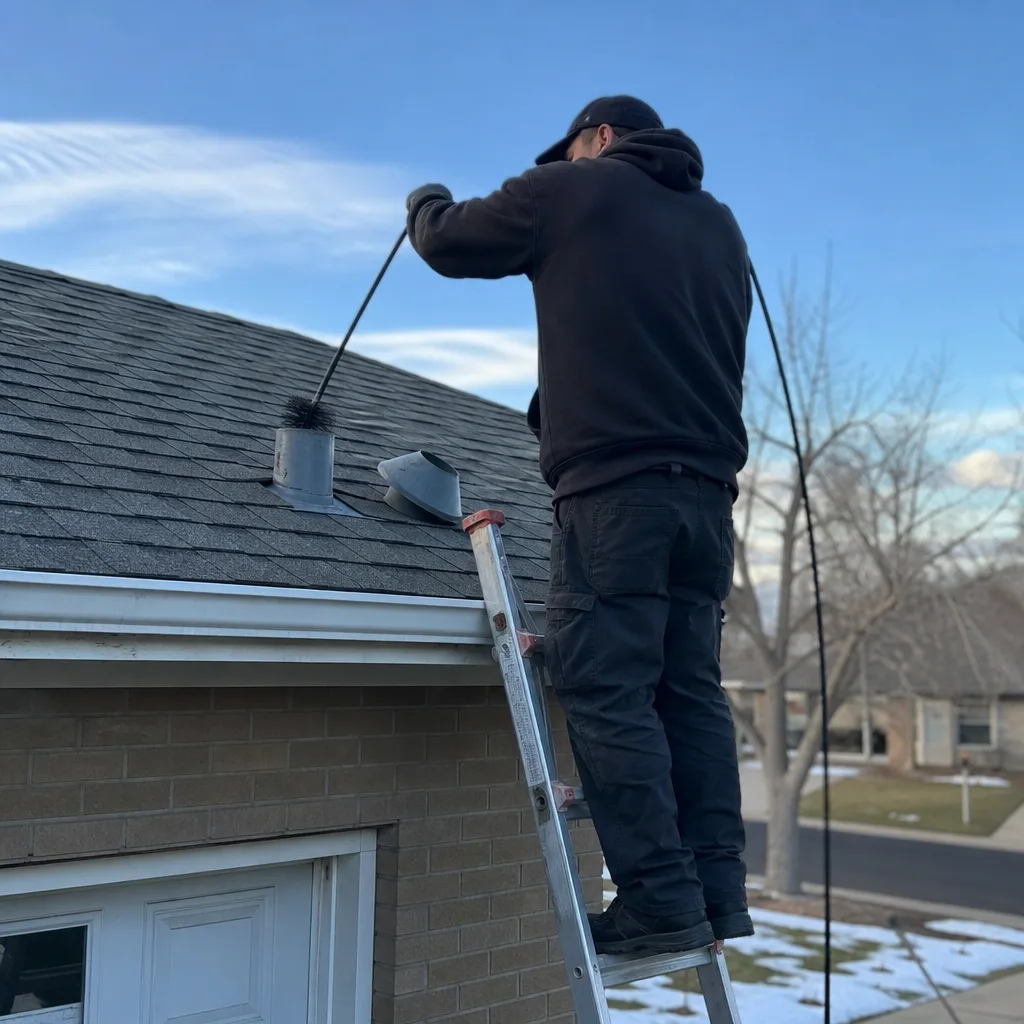
No. Air duct cleaning - the removal of debris from existing, intact ductwork - requires no permit in Parker or anywhere in Colorado. The work does not alter the system’s structure, capacity, or configuration. If a company claims your cleaning requires permitting, request the specific Douglas County code section; they may be conflating cleaning with repair work they intend to perform. See our more guides & resources for additional homeowner protection strategies.
Douglas County mechanical permits for residential duct modification typically range from $150 to $450 depending on scope. Simple mastic sealing exceeding 10 linear feet falls at the lower end; trunk replacement or new duct runs reach the higher end. These fees are separate from contractor labor and are paid to the county, not the contractor. Call (719) 259-4520 if you need help determining whether your project requires a permit.
Only if the company employs or contracts a Colorado-licensed HVAC contractor and pulls the required mechanical permit. The cleaning license or business registration alone does not authorize structural modification. Many cleaning technicians lack this credential. Always verify through DORA before authorizing repair work.
Request a permit history report from Douglas County Building Division using your property address. The report lists all permits pulled, their status, and final inspection dates. For work performed without permits, a licensed contractor can assess current code compliance and advise on retroactive permitting or restoration. This is particularly important for homes in Parker’s 2000-2010 construction boom, where rapid build schedules sometimes prioritized speed over documentation.
You must disclose the unpermitted work on Colorado’s standard seller disclosure form. Failure to disclose exposes you to post-sale liability for repair costs, permit remediation, and potential rescission. Buyers’ inspectors increasingly flag mechanical modifications; mortgage insurers and HOA resale committees may require permit documentation. The 2021-2024 Parker market saw multiple transactions delayed or renegotiated over this issue.
No. CleanRun performs air duct cleaning, dryer vent cleaning, and HVAC Cleaning in Parker within our licensed scope. When our inspection reveals structural damage requiring repair, we document the finding, provide the photo record to the customer, and refer to licensed HVAC contractors for permit-required work. We do not perform work we cannot legally permit, and we do not subcontract repairs to capture revenue. This boundary protects our customers’ property records and our 365-Day Done Right Promise.
The Bottom Line
Air duct cleaning requires no permit in Colorado, but the repair work that cleaning often reveals may. Parker’s adoption of the 2021 International Mechanical Code, with local amendments enforced by Douglas County, draws a clear line between maintenance and modification. Homeowners who understand this distinction, verify contractor credentials through DORA, and retain the three-part paperwork checklist protect themselves from sale complications and costly remediation. The technician with a vacuum and a roll of tape is not automatically qualified to cross that line. Documentation, not assurances, is what transfers with the property.
Written by Tomas Reyes, Owner at CleanRun Air Duct Cleaning Parker, serving Parker since 2013.