
Last updated September 23, 2026
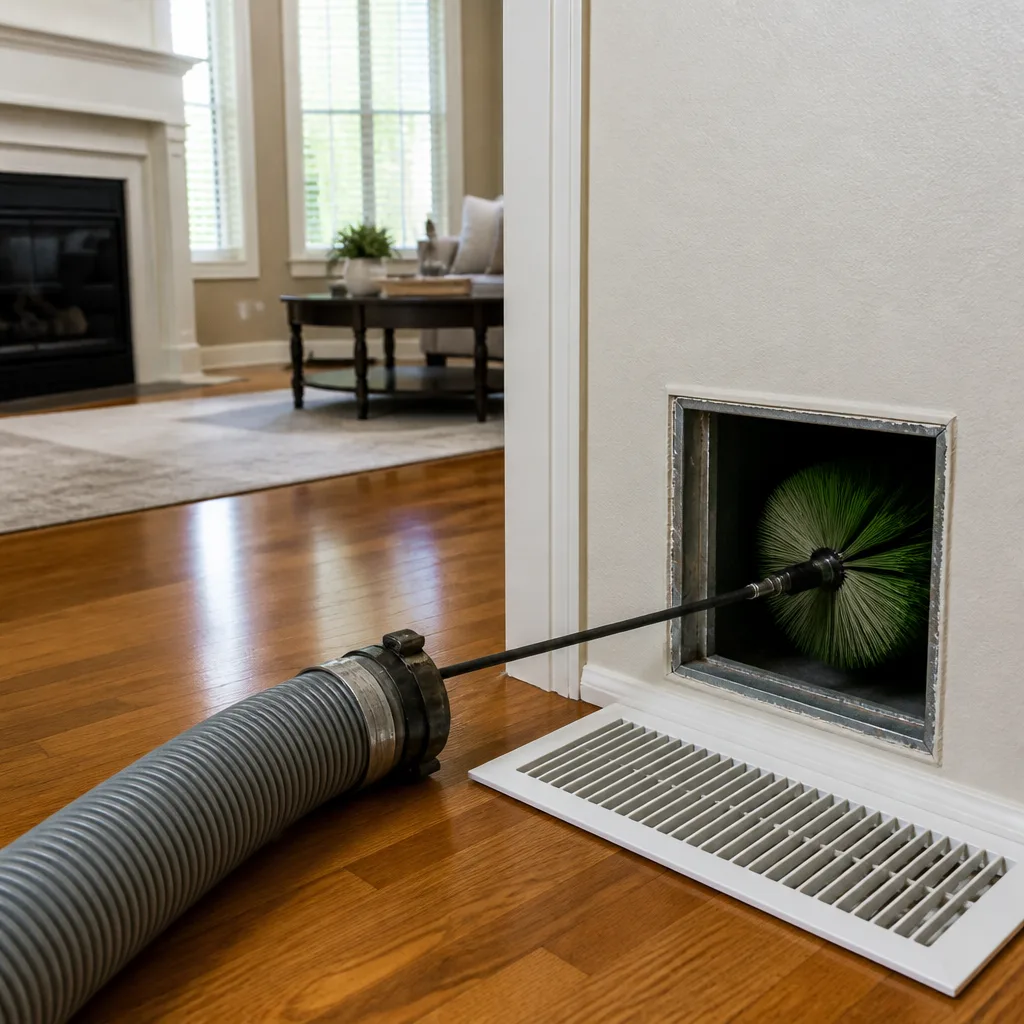
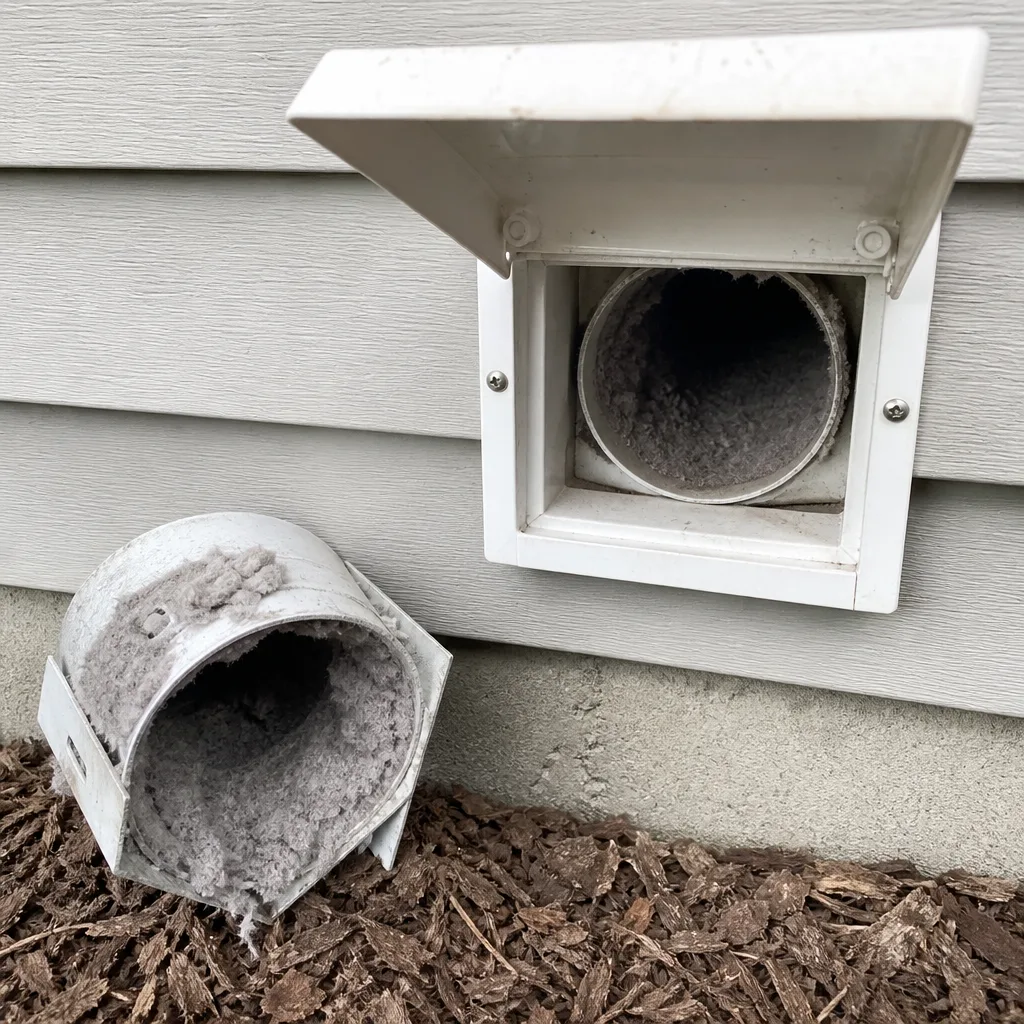
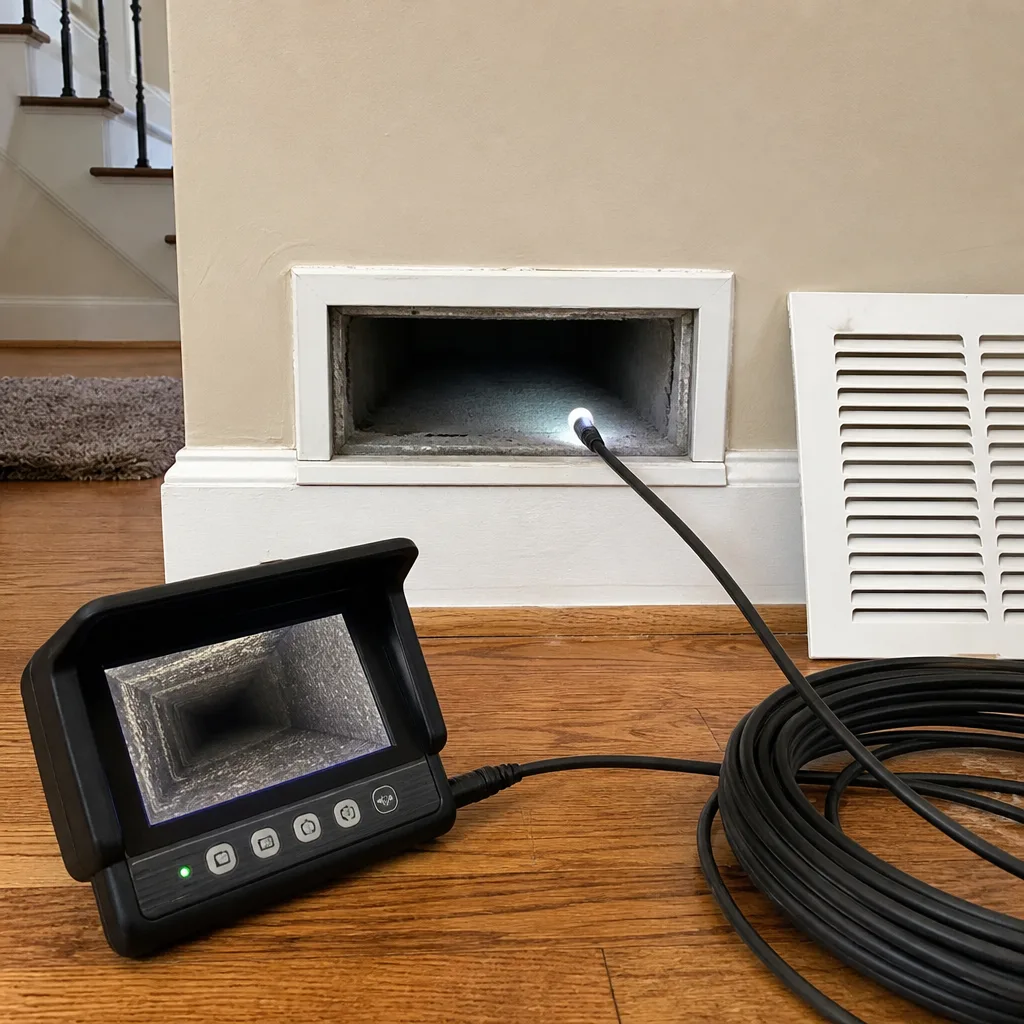
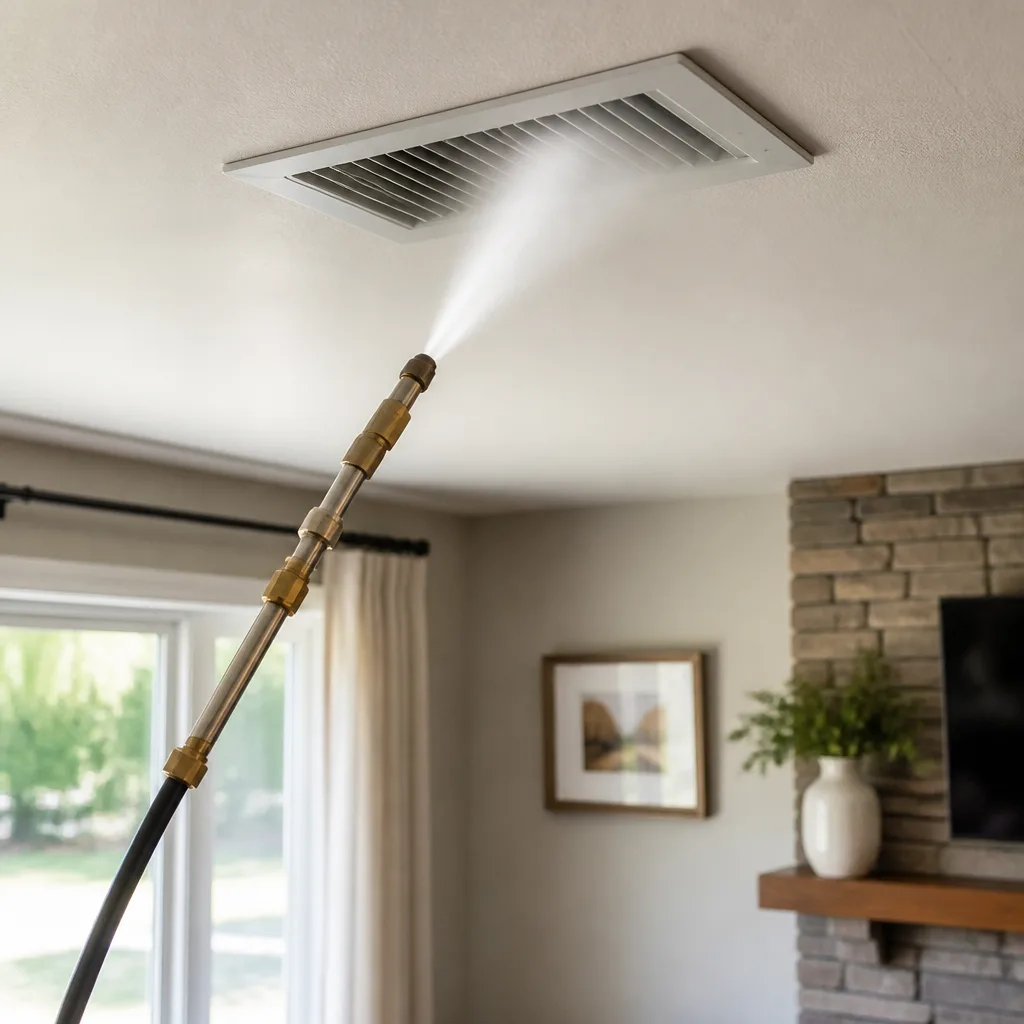
Whole-system duct and dryer vent check with before-and-after photos - you see exactly what came out of your vents
That "$99 whole-house special" is a bait ad - the real number appears once they are in your hallway, or the "clean" is a shop-vac at the register. We photograph the inside of your ducts before and after instead.
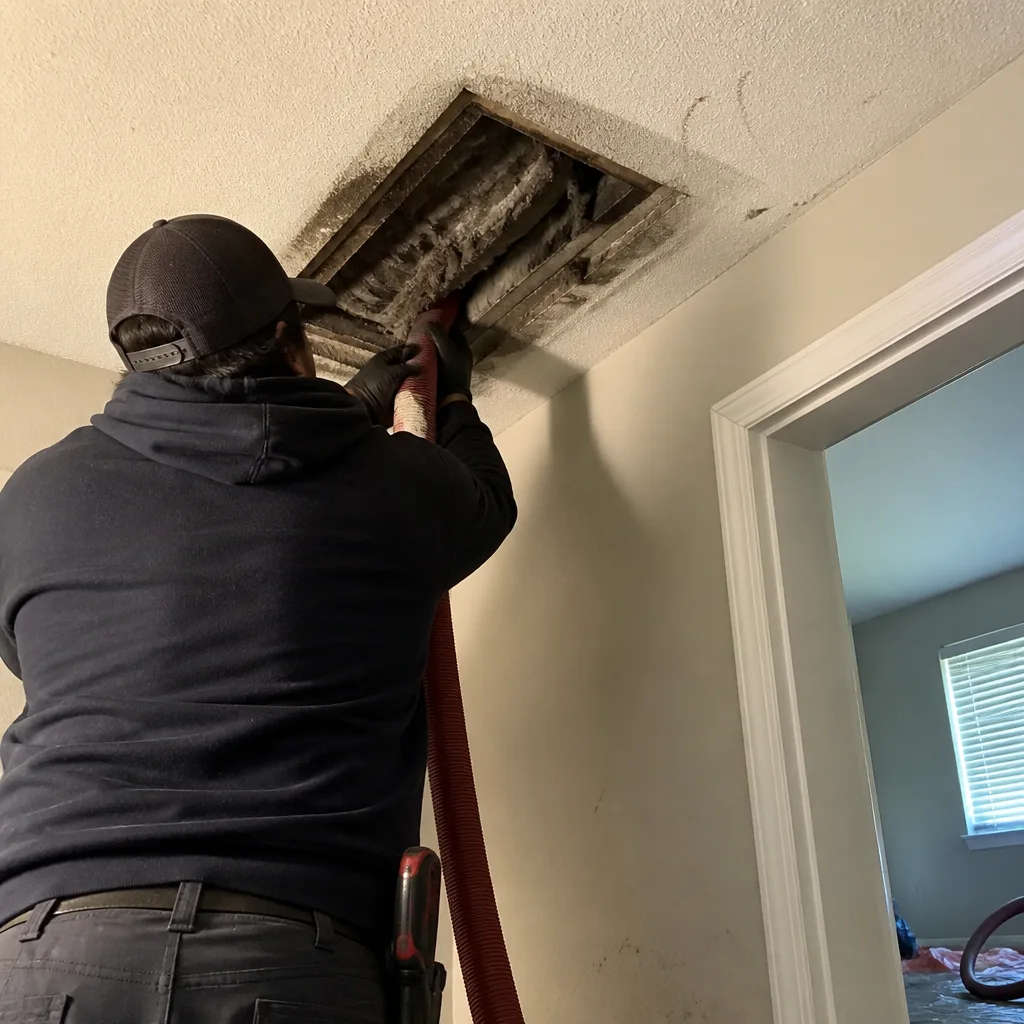 Before
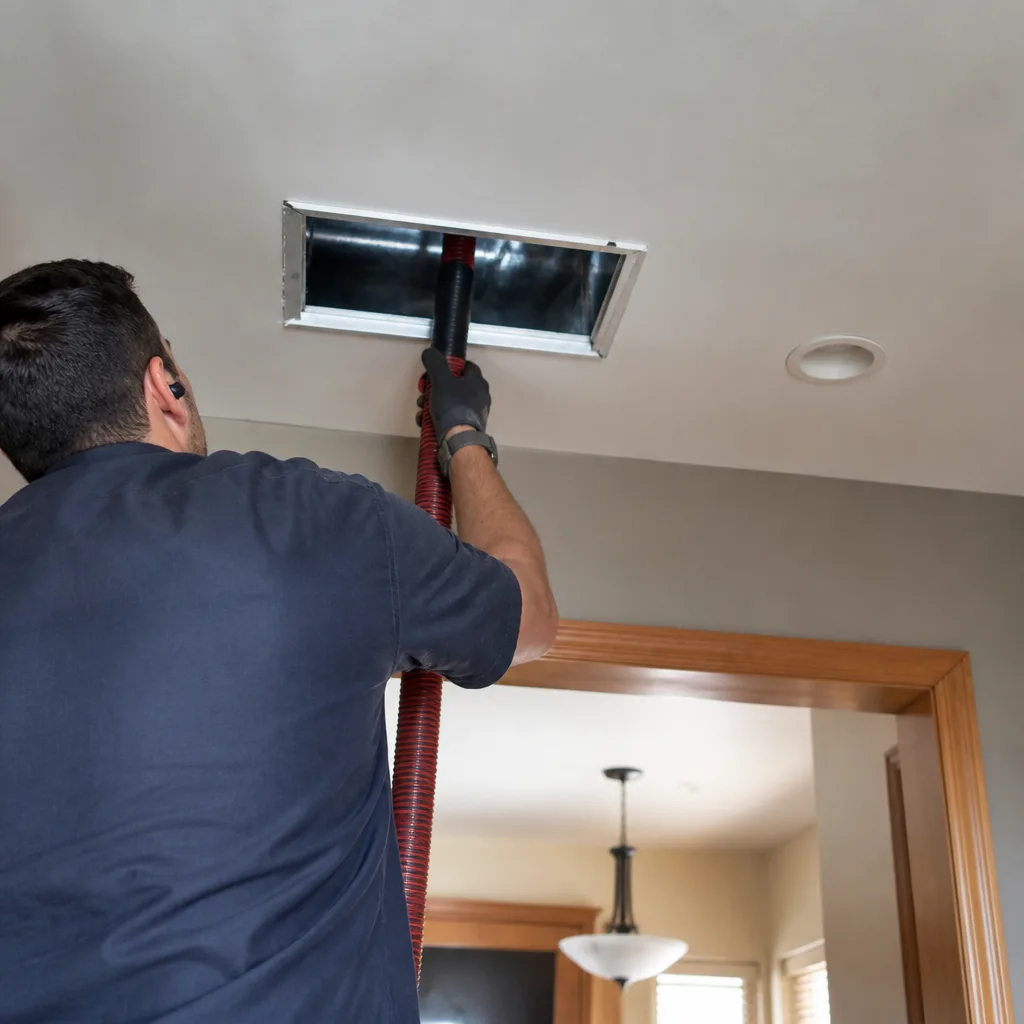 After
After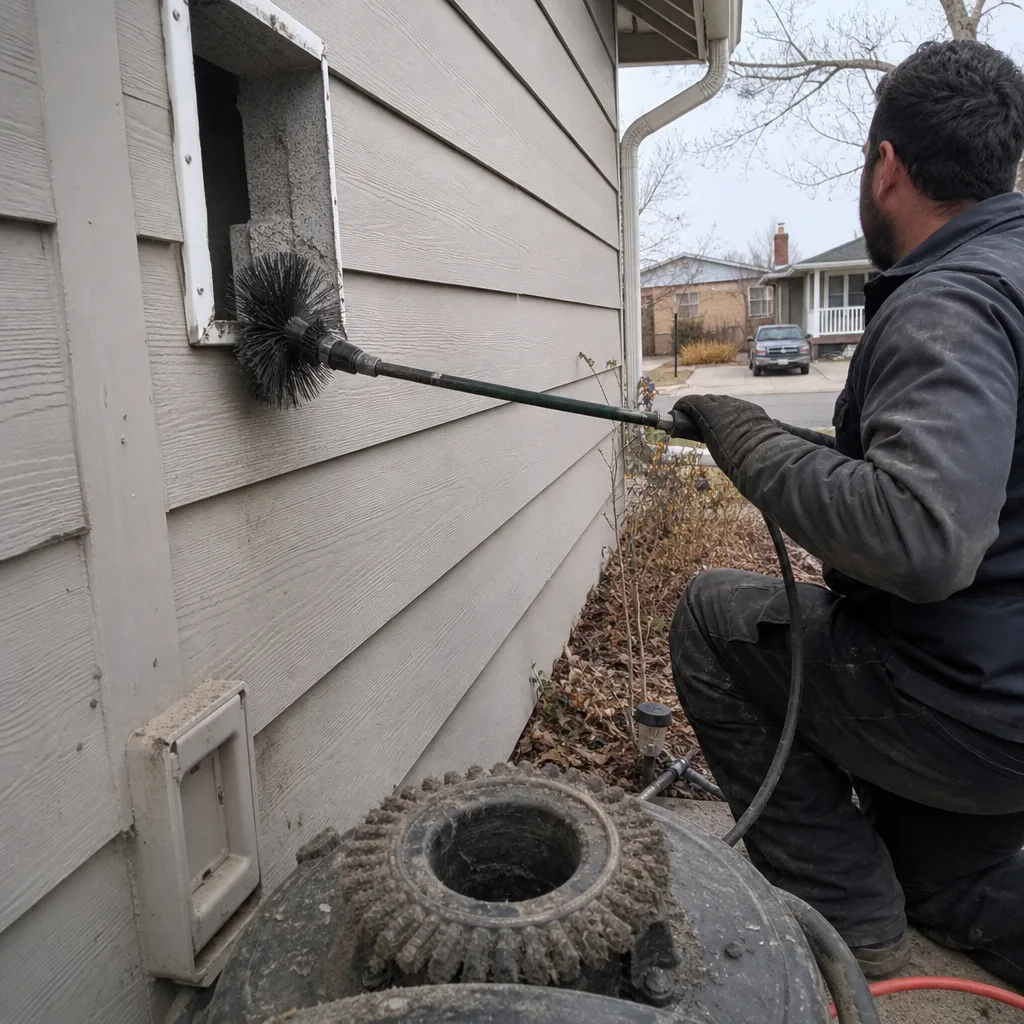 Before
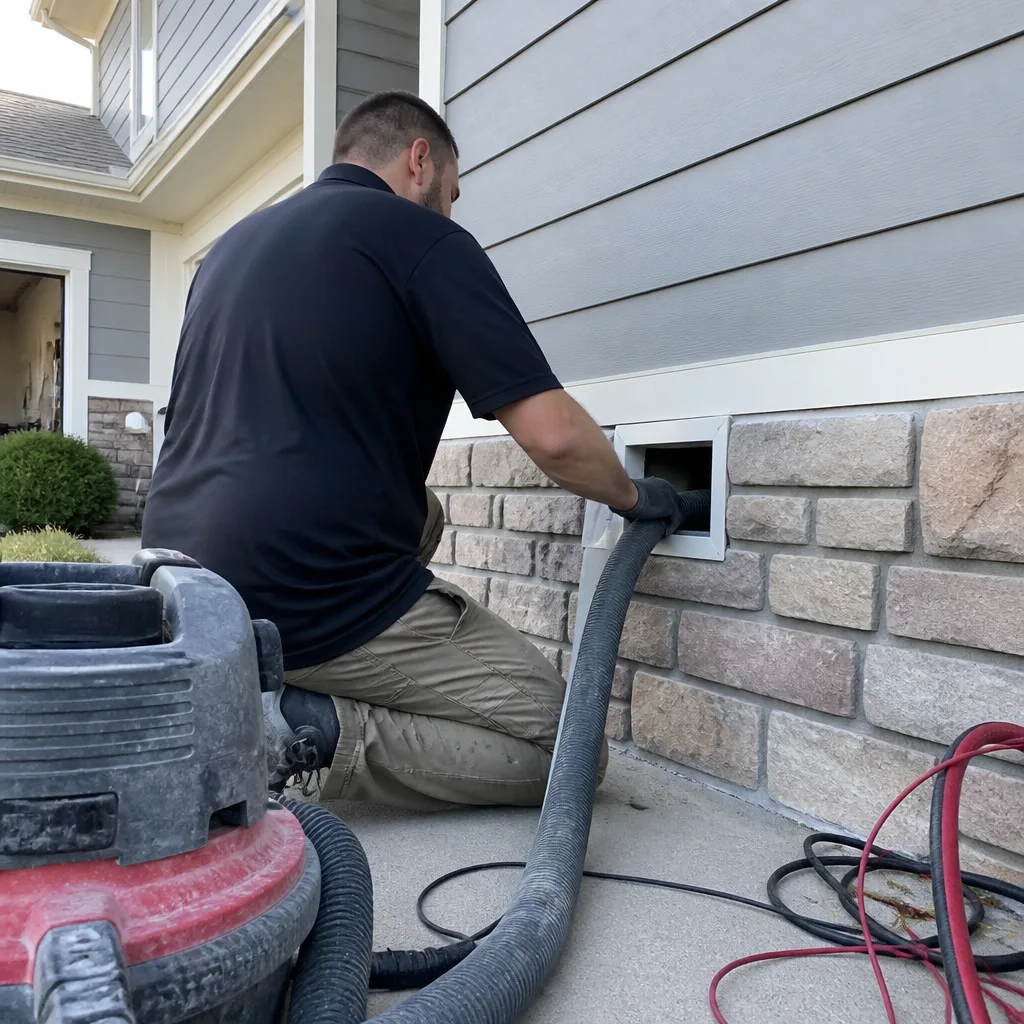 After
After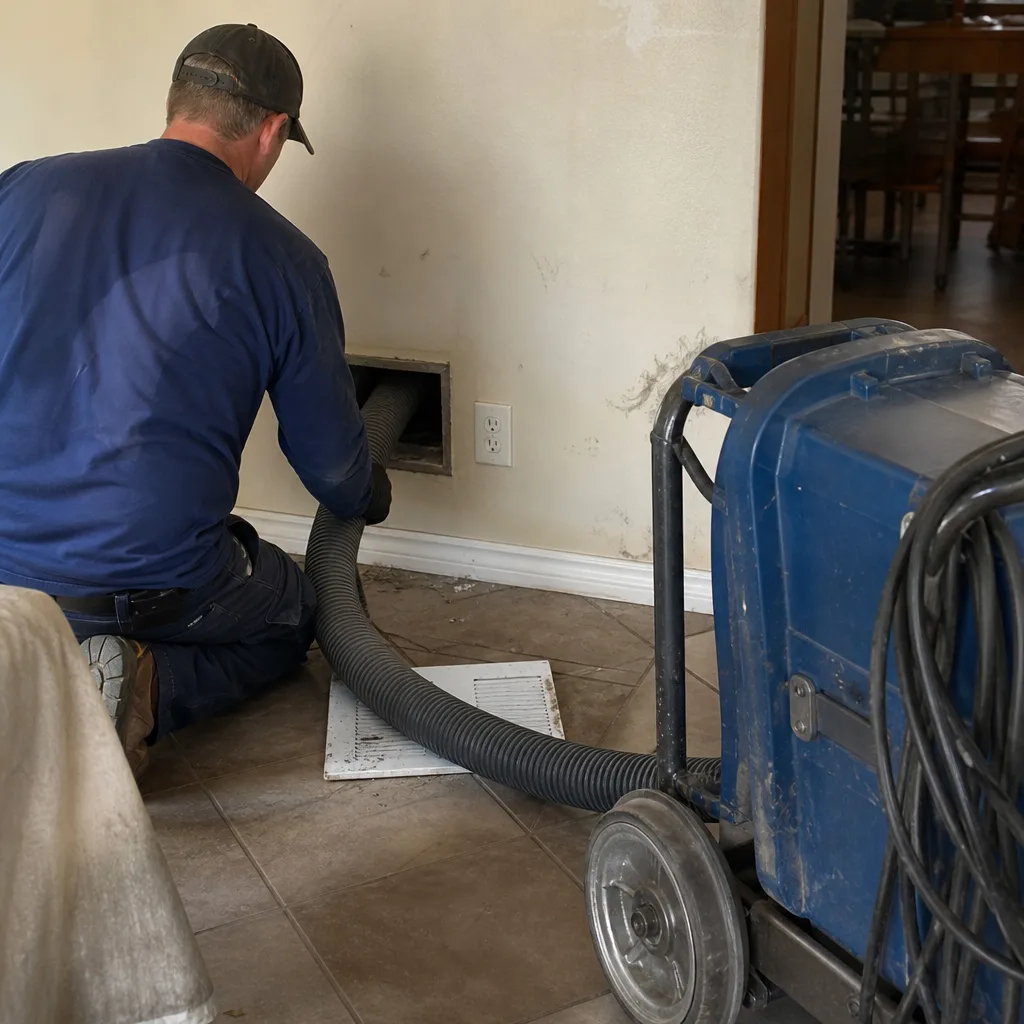 Before
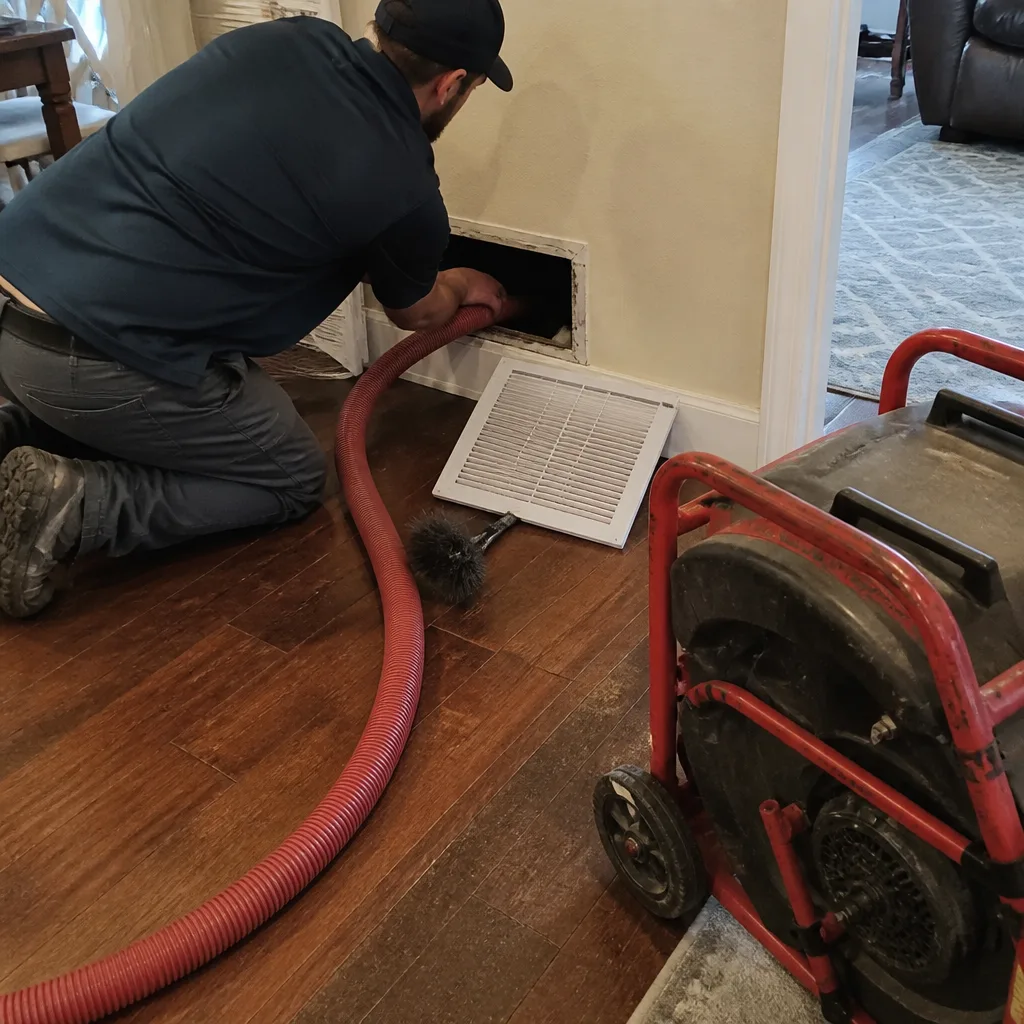 After
AfterAir Duct Cleaning Warning Signs: A Parker Homeowner’s Reference Guide
Here’s a fact that most duct cleaning websites won’t show you: dust collecting on your supply registers is not a warning sign. It’s what happens when a forced-air system moves 1,400 cubic feet of Parker household air per minute through a 1-inch pleated filter. The photograph that matters isn’t the one on your living room floor; it’s the one taken inside the duct run itself.
After inspecting ductwork in more than 52,000 homes since 2013, we’ve learned that most “warning sign” lists online are vague enough to apply to any house, any day. This guide replaces that noise with observable, photographable indicators that have a direct mechanical explanation. You’ll learn which signs mean your ducts need cleaning, which mean they need repair, and which are manufactured urgency tactics designed to sell a service you don’t need.
Parker’s semi-arid climate, freeze-thaw cycles, and newer construction stock (much of it built between 2015 and 2025) create specific conditions that show up differently here than in humid coastal markets. What follows applies directly to homes in Canterberry, Idyllwilde, Reunion, Pradera, and the broader Parker service area.
Quick Answer
The warning signs that actually indicate duct cleaning is warranted in a Parker home are: visible debris accumulation at supply outlets beyond normal dust, persistent musty odors that localize to specific rooms rather than the whole house, uneven room temperatures that correlate with duct routing rather than HVAC sizing, confirmed standing water in ductwork, and visible fibrous insulation particles at supply outlets indicating interior liner deterioration. Dust on registers, dark staining around vent covers, and vague “your ducts haven’t been cleaned” timelines are not reliable indicators on their own.
Table of Contents
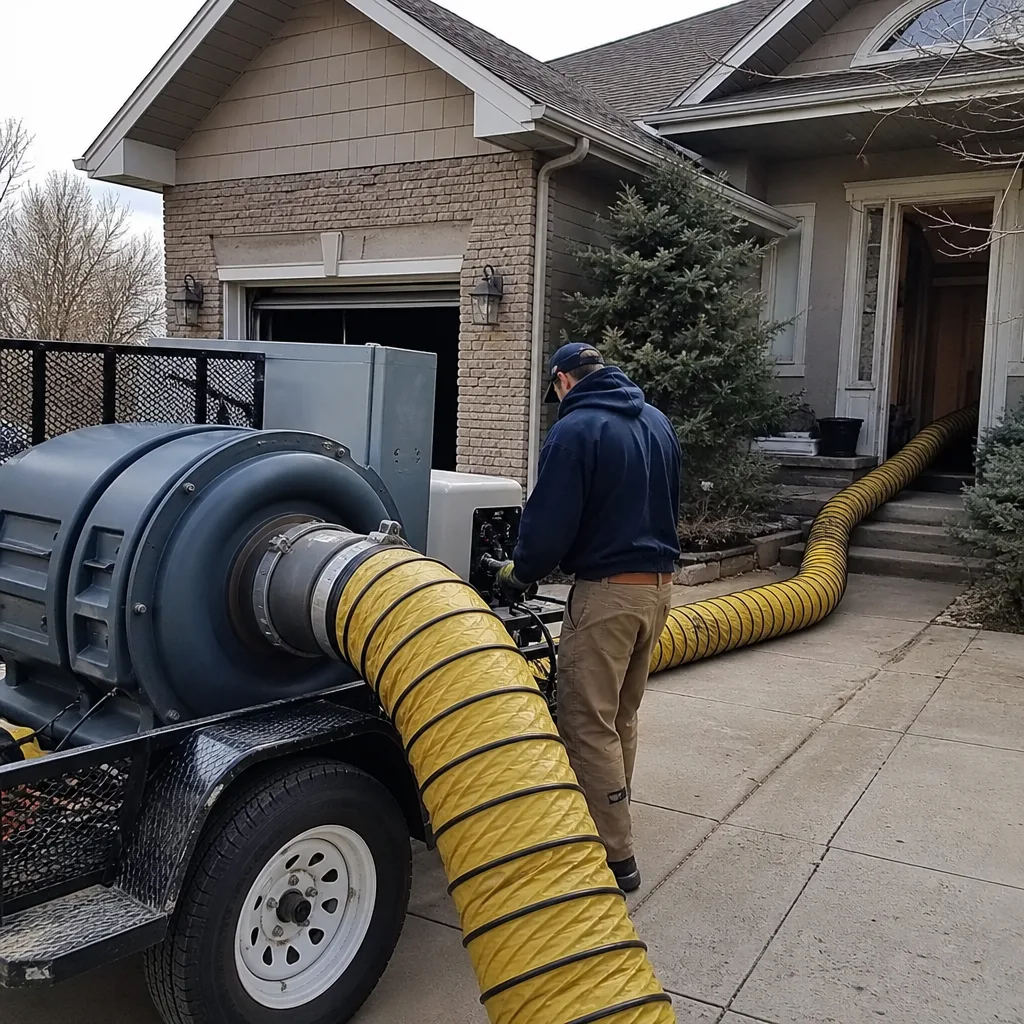
- What Dust on Registers Actually Means (And Why It’s Not a Warning Sign)
- Seven Observable Warning Signs With Mechanical Explanations
- Warning Signs That Mean Repair, Not Cleaning
- The Two Warning Signs That Require Immediate Attention
- Manufactured Urgency: Signs Contractors Invent to Sell
- How to Document a Suspected Warning Sign With Your Phone
- Parker-Specific Conditions That Affect Ductwork
- Common Mistakes to Avoid
- When to Call a Professional
- Frequently Asked Questions
BeforeAfterWhat Dust on Registers Actually Means (And Why It’s Not a Warning Sign)
Every forced-air system in Parker pulls return air through a filter, conditions it, and pushes it back through supply ducts. The supply registers, the metal covers you see on your floors or walls, are the final exit point. Air moving at 600-900 feet per minute carries particulate matter. When that air hits the room, velocity drops, and heavier particles fall out of suspension. Some land on the register louvers. This is normal filtration physics, not evidence of contaminated ductwork.
The photograph a contractor should show you is taken inside the duct run, the metal or flexible pathway between the plenum (the main distribution box attached to your furnace) and the register. If that interior surface shows a measurable debris layer, typically 1/8 inch or more, that’s a photographable finding. If the contractor only shows you the register itself, they’re showing you the wrong evidence.
In Parker homes built during the 2015-2025 construction boom, we’ve noticed a related pattern. Tight building envelopes and high-efficiency HVAC systems run longer cycles at lower fan speeds. This reduces temperature swings but increases the total volume of air moved through registers daily. More air volume means more particulate deposition on register surfaces. Homeowners in neighborhoods like Reunion and Pradera often call us concerned about “excessive dust” that is, in fact, a byproduct of their system’s efficient operation.
The correct diagnostic step is to remove the register and photograph the duct interior with an inspection camera. At CleanRun, this is standard practice before any recommendation is made. Our documented photo record shows the actual condition of the duct run, not the register surface. If a contractor cannot or will not produce this interior photograph, you are not looking at evidence; you are looking at a sales trigger.
Seven Observable Warning Signs With Mechanical Explanations
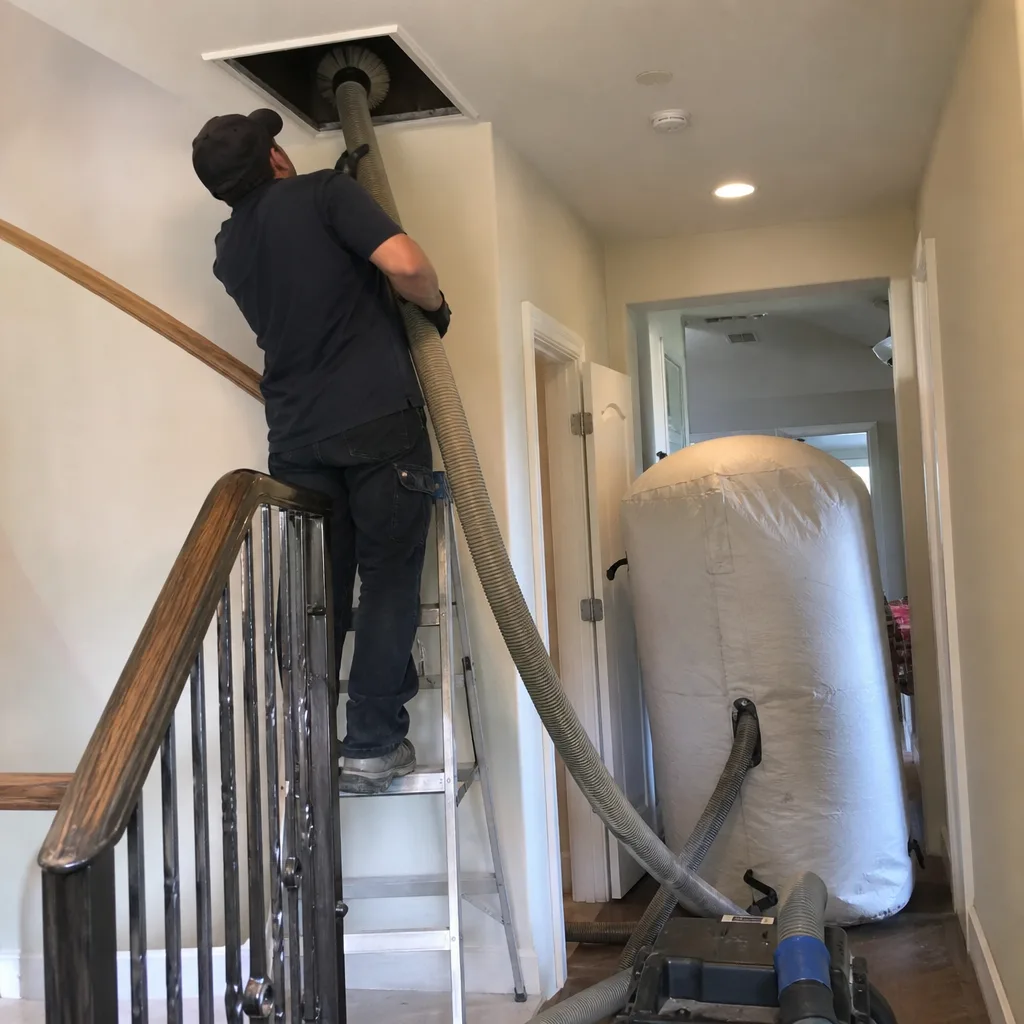
These seven indicators have a direct mechanical cause that can be photographed, measured, or localized to a specific duct run. Each includes what to look for and why it happens.
1. Visible Debris at Supply Outlets (Beyond Normal Dust)
Remove the register and shine a flashlight into the duct. If you see clumped debris, insect fragments, or construction residue (common in Parker homes built 2015-2020, when drywall dust and wood particulate often entered open ductwork during construction), this is a photographable finding. The mechanical cause is inadequate post-construction cleaning or a long period without filtration maintenance, allowing material to accumulate past the point where normal airflow keeps it suspended.
In Canterberry and Idyllwilde, we’ve documented cases where builders’ rough-in ductwork sat open for months during framing delays. Fine particulate entered and compacted at low points and elbows. Years later, this material breaks loose and appears at supply outlets.
2. Persistent Musty Odor Localized to Specific Rooms
A whole-house odor suggests a source in the conditioned space itself, carpet, pet areas, or humidity issues. An odor that follows you from room to room but disappears when you leave the house is not a duct problem. But an odor that appears only when the HVAC runs, and only in specific rooms, indicates a localized contamination in that duct run.
The mechanical explanation: organic material (pet dander, pollen, construction dust with cellulose content) has accumulated at a low point or elbow where condensation occurs. Parker’s semi-arid climate means most homes run below 30% relative humidity in winter, but summer monsoon patterns and evaporative cooling use can create brief humidity spikes. These spikes, combined with temperature differentials at duct elbows, create microclimates where biological activity occurs.
The diagnostic step: run the system and verify the odor appears only when air moves through specific registers. A camera inspection of that duct run should locate the source.
3. Uneven Room Temperatures That Correlate With Duct Routing
If your master bedroom is always 4 degrees warmer than the thermostat setting, and that bedroom is at the end of a 40-foot flex-duct run with two elbows, the problem is likely airflow restriction from debris accumulation, not HVAC sizing. The mechanical cause is simple: debris reduces the effective cross-sectional area of the duct, increasing static pressure and reducing delivered airflow. The room never receives its designed CFM (cubic feet per minute).
In Parker ranch-style homes with basement mechanical rooms, we’ve measured temperature differentials of 6-8 degrees between the room nearest the plenum and the room at the far end of a long horizontal trunk. Camera inspection often reveals partial blockage at the transition from rigid trunk to flex duct.
Important distinction: uneven temperatures that affect entire zones (upstairs vs. downstairs) typically indicate duct design or balancing issues, not contamination. Temperature problems tied to specific duct runs are the ones worth inspecting.
4. Visible Mold Growth on Interior Duct Surfaces
This requires an actual photograph taken inside the duct, not a dark spot on a ceiling or register. Mold in ducts requires sustained moisture, typically above 60% relative humidity at the surface. In Parker, this is uncommon but not impossible. We’ve documented it in homes with:
- Evaporative coolers (swamp coolers) without adequate winterization, allowing water residue in ductwork
- Condensate drain failures that allowed water into the plenum
- Crawl space ductwork with vapor barrier failures, common in older homes near Cherry Creek
The photograph must show fungal growth on the interior metal or liner surface, not discoloration from dust or oxidation. If a contractor claims “mold” without producing this interior photograph, the claim is unverified.
5. Excessive Debris in Return Air Pathways
Return ducts pull air from your living space back to the HVAC unit. They’re typically larger, less filtered, and more prone to accumulation of large particulate: pet hair, carpet fiber, children’s toys, construction debris. A flashlight inspection of the return grille, and ideally the duct behind it, can reveal significant accumulation that restricts airflow and increases fan energy consumption.
The mechanical impact: a clogged return duct forces the blower to work against higher static pressure, reducing efficiency and potentially causing premature motor failure. In Parker homes with variable-speed ECM blowers (standard since 2015), the system compensates by ramping up speed, increasing noise and energy use without delivering more conditioned air.
6. Recent Renovation With Open Ductwork
This is a situational warning sign, not an ongoing condition. If your Parker home underwent renovation, flooring replacement, or drywall work with the HVAC system active or ductwork open, construction particulate entered the system. The mechanical explanation is straightforward: sawdust, drywall compound, and insulation particles are heavier than household dust and settle in duct low points. They don’t necessarily circulate visibly, but they reduce airflow and can act as nucleation points for future accumulation.
We documented this extensively in Idyllwilde homes renovated during 2020-2022, when many homeowners added basement finishes with the furnace running. Camera inspection showed drywall compound buildup at the first elbow below the main trunk.
7. Vermin Entry or Nesting Evidence
Droppings, nesting material, or insect husks visible at supply outlets or during register removal indicate ductwork penetration. In Parker, this most commonly involves mice entering through gaps where flex duct penetrates exterior walls, or squirrels accessing attic trunk lines. The warning sign is the physical evidence, not a smell or sound.
The mechanical concern: vermin activity introduces organic material and may damage duct liner or create entry points for moisture. It requires both cleaning and sealing of the penetration point.
Warning Signs That Mean Repair, Not Cleaning
Some observable ductwork problems will not be solved by cleaning. Treating them as contamination issues wastes money and leaves the actual problem unaddressed. Here are the most common misdiagnoses we encounter in Parker homes.
Rattling or Vibrating Supply Vents
A rattling register indicates a loose damper, disconnected duct joint, or inadequate support of flex duct. The mechanical cause is structural, not contamination. Cleaning the duct will not tighten the joint or secure the duct. A proper diagnosis requires physical inspection of the duct support and connections.
In two-story Parker homes with basement mechanical rooms, we’ve found flex duct runs that were never properly supported at the first elbow, allowing 6-8 inches of sag. Airflow at velocity causes rhythmic vibration against framing. The fix is mechanical support, not cleaning.
Whistling at Registers
High-pitched airflow noise indicates excessive velocity, typically from undersized ducts, closed dampers in other zones, or a blower set to incorrect speed tap. It’s a design or balancing issue. Cleaning cannot change duct diameter or blower speed.
Condensation on Duct Exteriors
Water droplets on the outside of ductwork in basements or crawl spaces indicate inadequate insulation or excessive humidity in the unconditioned space. The duct surface is below the dew point of surrounding air. The solution is insulation improvement or humidity control, not interior cleaning.
Collapsed or Crushed Flex Duct
Visible sagging or crushing of flexible ductwork reduces airflow but is caused by physical damage, improper support, or compression during storage or installation. Cleaning equipment cannot restore the original cross-sectional area. Replacement or re-support is required.
Disconnected Duct Joints
Air blowing from a ceiling or wall cavity rather than the register indicates a complete duct disconnection. This is a mechanical failure requiring reconnection and sealing. Negative-pressure extraction cleaning will not reattach the duct.
The general principle: if the symptom involves sound, structural deformation, or air leakage outside the duct, the problem is in the duct’s physical integrity, not its interior surface condition. At CleanRun, our inspection protocol separates these categories before any recommendation is made. Our Air Duct Cleaning in Parker service includes this diagnostic step as standard; we do not quote cleaning for ducts that require repair.
The Two Warning Signs That Require Immediate Attention
Most duct conditions develop gradually and allow time for considered decision-making. Two indicators do not.
Confirmed Standing Water in Ductwork
Water visible in a duct run, or water stains on interior surfaces that appear wet to touch, indicates an active moisture intrusion. This can result from:
- Condensate drain blockage or pump failure
- Humidifier malfunction (common in Parker winters when whole-house humidifiers are active)
- Roof or plumbing leak above duct routing
- Groundwater intrusion in slab-embedded ductwork (rare in Parker but documented in 1970s-era homes)
Standing water in a dark, temperature-stable environment creates conditions for microbial growth within 24-48 hours. It can also corrode metal ductwork and damage flex duct liner. The immediate step is to identify and stop the water source. Cleaning is secondary and should not proceed until the intrusion is resolved.
If you observe water in your ductwork, shut off the HVAC system to prevent distribution and call for inspection. At CleanRun, we treat this as a priority response and do not schedule cleaning until the moisture source is verified as resolved.
Visible Fibrous Insulation Particles at Supply Outlets
When you remove a supply register and see small fibrous particles, or a fuzzy accumulation that appears to be breaking down material, this indicates deterioration of the duct interior liner. Fiberglass-lined ducts have an internal insulation layer for thermal and acoustic performance. When this liner degrades, particles enter your conditioned air.
The mechanical concern: these particles are respirable and indicate that the liner is no longer securely adhered to the duct wall. The underlying cause may be age, moisture exposure, or physical damage from previous cleaning with inappropriate equipment. Aggressive mechanical brushing in lined ducts can accelerate this damage, which is why equipment selection matters.
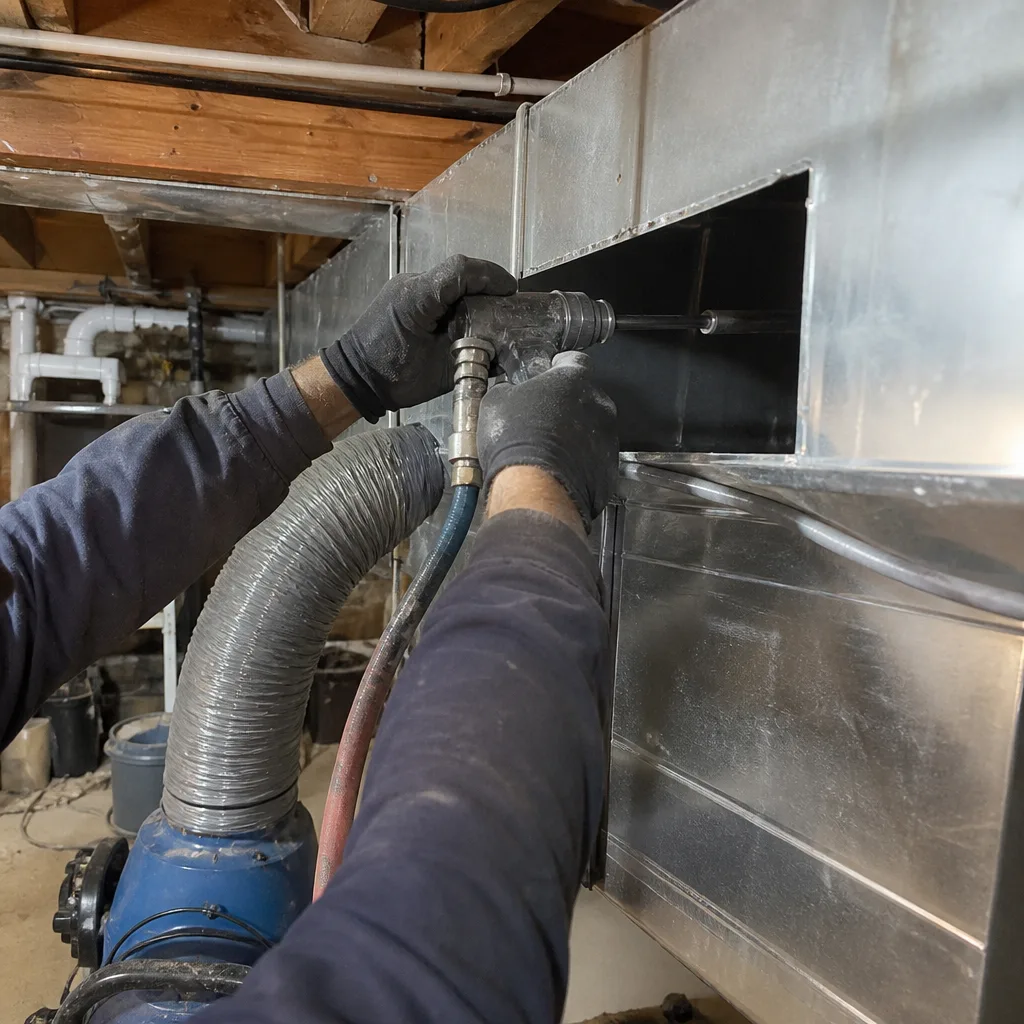
At CleanRun, we use Rotobrush and Nikro equipment with adjustable brush stiffness appropriate to duct liner condition, and we photograph liner integrity before and after. If liner deterioration is advanced, we recommend repair or replacement rather than cleaning. Our CleanRun Air Duct Cleaning Parker home inspection includes this assessment.
Both of these urgent indicators require professional evaluation before any cleaning decision. They are not “sales opportunities”; they are conditions that can affect indoor air quality and system integrity.
Manufactured Urgency: Signs Contractors Invent to Sell
The duct cleaning industry in Parker and nationwide has a documented history of bait-and-switch pricing: a $79 coupon that becomes a $800 invoice once the technician is in your home. Part of this model involves creating urgency around conditions that are normal or irrelevant. Learn to recognize these manufactured warning signs.
“Dark Staining Around Registers”
This is normal HVAC filtration, sometimes called “ghosting” or “soot tagging.” Air moving through a register creates electrostatic charges that attract fine particulate to the surrounding wall or ceiling surface. It indicates your filter is working, not that your ducts are dirty. The “stain” is on the room surface, not in the duct. Cleaning the duct will not prevent it from recurring.
The honest contractor explains this and may suggest a higher-MERV filter or more frequent filter changes. The dishonest contractor photographs your ceiling and tells you it indicates dangerous contamination.
“We Found Mold” Without an Interior Photograph
Mold assessment requires visual confirmation of fungal growth on an interior surface, plus moisture source identification. A contractor who claims mold without showing you a timestamped photograph taken inside the duct run, with the camera location identified, is making an unverified claim. Dark dust, oxidation, or construction adhesive residue are commonly misidentified as mold.
In Parker, true duct mold is rare due to low ambient humidity. When we do document it, the photograph shows characteristic fungal morphology and is paired with moisture meter readings. Anything less is speculation.
“Your Ducts Haven’t Been Cleaned in X Years”
Time elapsed is not a mechanical indicator. Duct cleaning need is determined by observable condition, not calendar age. A home with excellent filtration, no pets, and no construction activity may have clean ducts after 20 years. A home with multiple pets, recent renovation, and low-quality filters may need cleaning after 3 years. The “X years” claim replaces actual inspection with a generic schedule designed to create urgency.
At CleanRun, we do not ask when your ducts were last cleaned. We ask what the camera shows.
“Dust Mites in Your Ducts”
Dust mites require humidity above 50% and food sources (skin flakes) to survive. They live in bedding, upholstery, and carpet, not in metal or flex ductwork. Parker winter humidity averages 25-35%. A claim of dust mite infestation in ducts is biologically implausible and indicates either ignorance or deception.
“Your Energy Bills Are High Because of Dirty Ducts”
While severe blockage can reduce efficiency, modest debris accumulation has minimal impact on energy consumption. The Department of Energy estimates duct leakage (air escaping to unconditioned spaces) as a far larger efficiency factor than interior contamination. A contractor who blames high bills on dirty ducts without measuring airflow or inspecting for leakage is redirecting attention from the actual problem.
Our documented photo record and written scope under Haven Standard Clause 1 mean you see exactly what we found and exactly what it costs before any work begins. No urgency, no surprises.
How to Document a Suspected Warning Sign With Your Phone
Before calling any contractor, including CleanRun, you can create a record that ensures every estimate responds to the same evidence. This protocol takes 15 minutes and produces timestamped documentation.
- Photograph the register in place. Show the surrounding wall or floor surface. Note any discoloration patterns.
- Remove the register and photograph the duct opening. Use flashlight, not room light. Show the first 12 inches of duct interior.
- Note the register location and room. “Master bedroom, north wall, second register from door.” This allows correlation with duct routing.
- Run the HVAC system for 10 minutes. Note any odors, sounds, or airflow changes specific to that register.
- Photograph any debris or material visible at the duct opening. Include a coin or ruler for scale if possible.
- Document the HVAC filter condition and MERV rating. A clogged or low-MERV filter explains many apparent duct problems.
- Record the date and any recent events: renovation, filter change, system service, weather events, or humidity changes.
When you contact CleanRun Air Duct Cleaning Parker at (719) 259-4520, you can share this documentation before we arrive. Our technician reviews it, confirms what the camera shows on arrival, and provides a written scope and price based on the same evidence you’ve already observed. Haven Standard Clause 1 requires this written price before any work starts; having your own documentation ensures the estimate addresses your actual condition, not a generic sales script.
Parker-Specific Conditions That Affect Ductwork
Parker’s location at 5,900 feet elevation, its construction patterns, and its climate create specific ductwork considerations that don’t apply uniformly nationwide.
Semi-Arid Climate and Dust Composition
Parker receives 15-18 inches of precipitation annually, with winter humidity often below 30%. This low humidity means less moisture-related mold risk but higher airborne dust loads. The dust itself is mineral-heavy, with significant silica and clay content from the Colorado Piedmont. This particulate is abrasive and heavier than organic household dust, making it more likely to settle in duct low points rather than remaining suspended.
We’ve documented 2-3 times greater debris accumulation in Parker homes with gravel or dirt driveways compared to paved, due to tracked-in mineral particulate. Homes near active construction (common in Reunion and Pradera through 2025) show similar patterns from fugitive dust.
Freeze-Thaw and Foundation Movement
Parker’s expansive clay soils create foundation movement that can stress ductwork, particularly in homes with slab-on-grade construction and embedded ducts. This is more common in 1980s-1990s construction than in newer homes. The stress manifests as separated joints or cracked trunk lines, not contamination, but the resulting air leakage can pull in soil particulate. The warning sign is airflow reduction or soil odor, not visible debris at registers.
New Construction Residue
Homes built during Parker’s 2015-2025 expansion often have ductwork that was active during construction or sat open during delays. Drywall compound, wood particulate, and insulation fragments are common findings in first cleanings of these homes, even when the owners have maintained filters diligently. The warning sign is visible debris at supply outlets, particularly in homes occupied less than 5 years.
Evaporative Cooler Legacy
Many Parker homes, particularly in older neighborhoods and some Canterberry builds, were originally equipped with evaporative coolers. Conversions to refrigerated air often reuse existing ductwork. Residual mineral scale from evaporative cooler water can remain in ducts for years, creating a white, crystalline deposit that is sometimes misidentified as mold or construction debris. Camera inspection distinguishes this material by its characteristic pattern.
Altitude and System Sizing
At 5,900 feet, air density is approximately 17% lower than at sea level. HVAC systems in Parker must move higher volumes of air to deliver equivalent heat transfer. This means blowers run at higher speeds and ducts experience greater airflow velocity. The practical effect: particulate that would settle at lower elevations may remain suspended longer in Parker systems, but when it does settle, the accumulation pattern differs. Long horizontal runs in basement-mechanical homes are particularly prone to low-point accumulation.
Our equipment selection, including Rotobrush systems with adjustable airflow and Nikro negative-pressure extractors sized for altitude-adjusted CFM requirements, accounts for these local conditions. Equipment not rated for altitude operation may underperform in Parker homes.
Common Mistakes to Avoid
- Accepting a phone quote without inspection. No contractor can price duct cleaning accurately without seeing the ductwork. CleanRun provides written pricing only after inspection; any phone quote is a guess that will change.
- Confusing register dust with duct contamination. The register is not the duct. Demand interior photographs before agreeing to any service.
- Ignoring the filter. A clogged 1-inch pleated filter or a filter bypass (air moving around rather than through the filter) causes more duct contamination than years of normal use. Check and replace before assuming ducts need cleaning.
- Hiring based on coupon price. The $79 duct cleaning in Parker inevitably becomes additional charges for “extra vents,” “sanitizing,” or “deep cleaning.” Our pricing is one flat price per system, agreed in writing before work starts, with no per-vent add-ons.
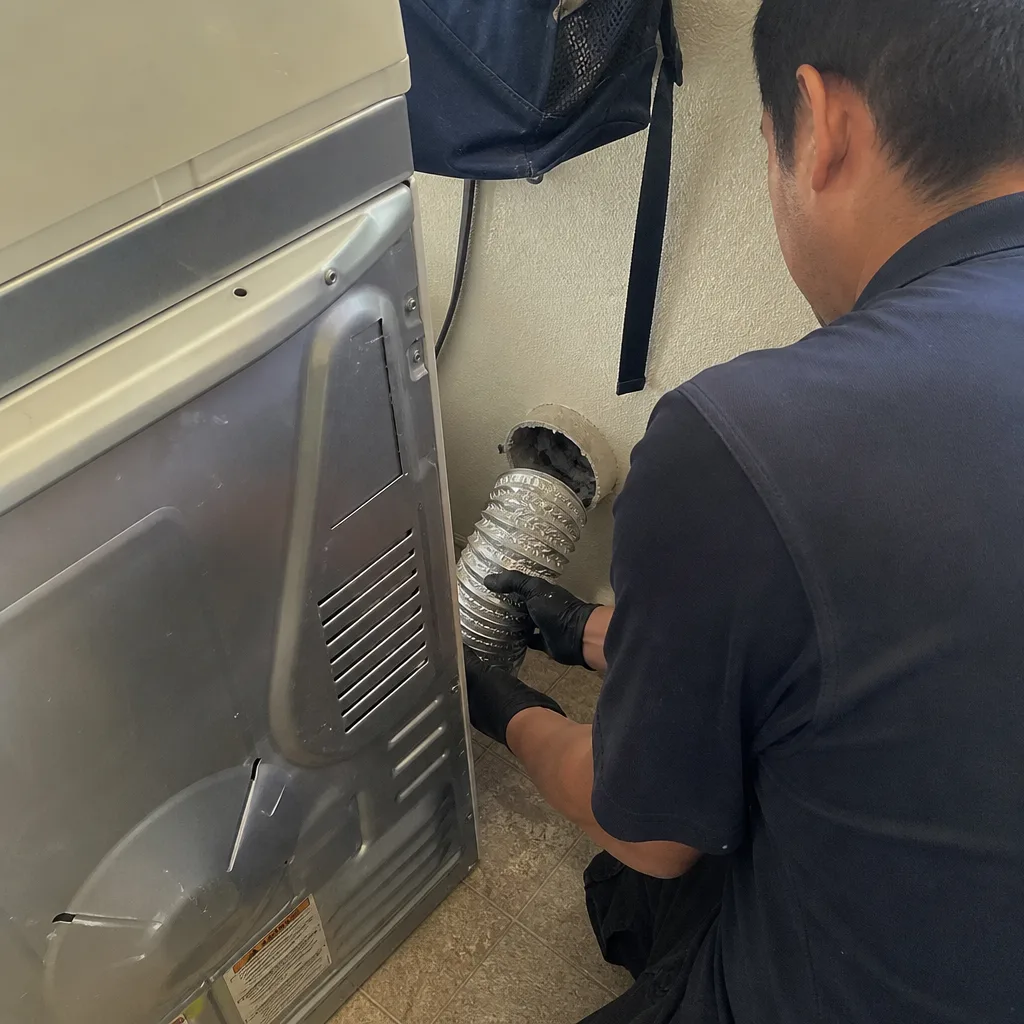
- Neglecting dryer vent inspection. A clogged dryer vent produces lint at laundry room registers that mimics duct contamination. Rule this out first. Our Dryer Vent Cleaning in Parker service addresses this separately.
- Assuming new homes have clean ducts. Construction debris in new Parker homes is well-documented. Occupancy date does not equal duct cleanliness date.
- Using DIY vacuum attachments. Consumer-grade vacuum hoses cannot generate sufficient negative pressure or reach past the first few feet of ductwork. More importantly, aggressive insertion can damage flex duct or liner. Leave mechanical cleaning to equipment designed for the purpose.
When to Call a Professional
Call for professional inspection when you observe any of the seven verified warning signs, particularly the two urgent indicators (standing water or liner deterioration). Call when uneven temperatures correlate with specific duct runs, when odors localize to HVAC operation in specific rooms, or when you’ve completed the documentation protocol and want a written scope based on your evidence.
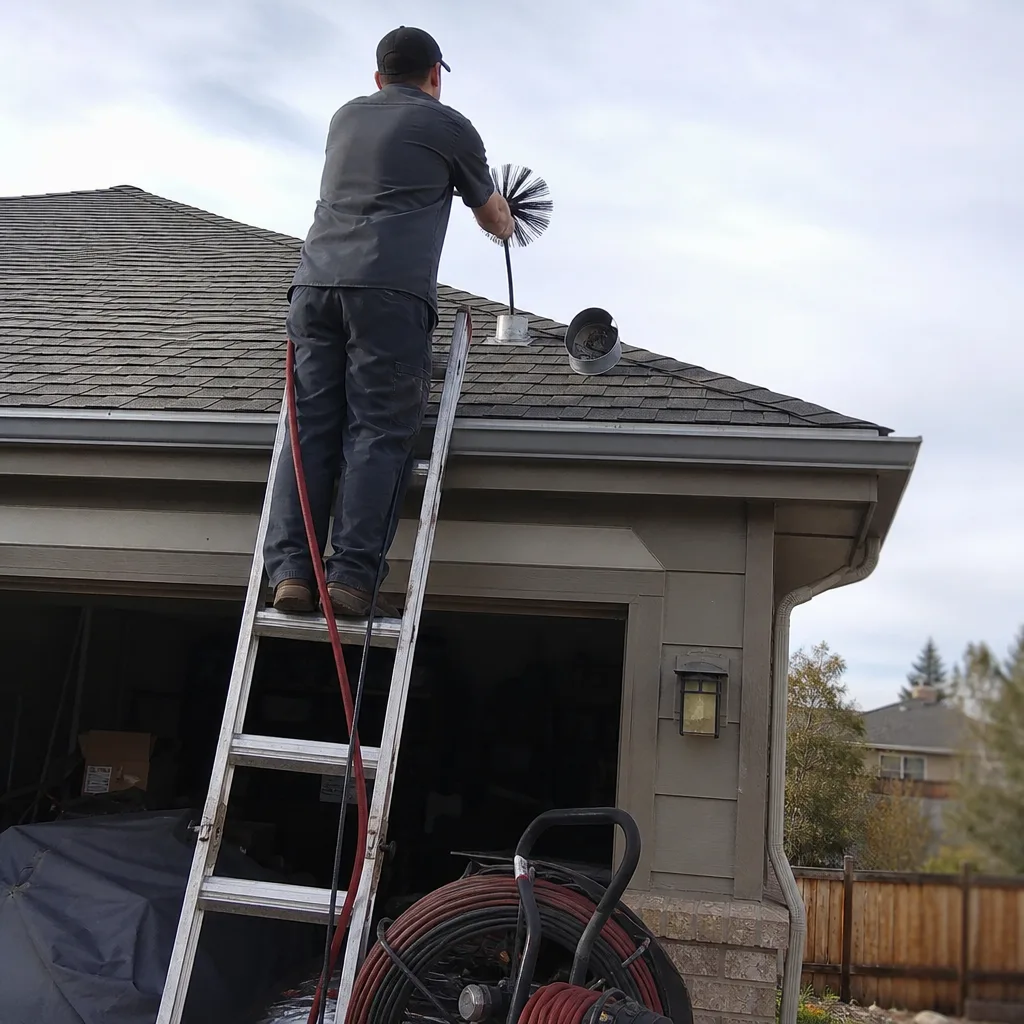
CleanRun Air Duct Cleaning Parker offers free estimates throughout Parker, including Canterberry, Idyllwilde, Reunion, Pradera, and surrounding areas. Every estimate includes camera inspection, a written price under Haven Standard Clause 1, and no obligation. Our technicians are background-checked, uniformed, and identified by name before arrival, per Haven Standard Clause 3: Verified Crews. Equipment on every truck includes Rotobrush, Nikro, and Abatement Technologies systems appropriate to your duct type and condition.
Call (719) 259-4520 to schedule. Estimates are free, written, and delivered before any work begins.
Frequently Asked Questions
Whole-system duct cleaning for a typical Parker home ranges from $400 to $700 for a single system, depending on duct configuration, accessibility, and condition. Homes with multiple systems, extensive flex duct, or confirmed contamination requiring additional passes may fall above this range. CleanRun provides a written, flat price per system before any work starts, with no per-vent add-ons or post-inspection upsells. Call (719) 259-4520 for an exact quote based on your specific ductwork.
Low quotes typically exclude the actual work. A $79 coupon covers a brief vacuum at register openings, not full-system cleaning with negative-pressure extraction and interior camera verification. The contractor then discovers “additional vents,” “contamination,” or “required sanitizing” to reach a realistic price. At CleanRun, the price we write is the price you pay. Our 52,000+ jobs since 2013 have all started with a written scope and price, with no exceptions.
Demand a documented photo record of every duct run, before and after. This is standard on every CleanRun job, included at no additional cost. You receive timestamped photographs showing the interior condition of each run before cleaning and after. If a contractor cannot produce this, you have no verification that the work occurred. Our 365-Day Done Right Promise means that if the documentation doesn’t match the result, we make it right.
There is no fixed interval. Duct cleaning need is determined by observable condition, not calendar time. Homes with multiple pets, recent construction, or low-quality filters may need cleaning every 3-5 years. Homes with excellent filtration and no contributing factors may go 10-15 years without significant accumulation. The correct approach is periodic inspection (every 2-3 years) with camera documentation, cleaning only when the camera shows measurable debris. We provide this inspection service separately from cleaning.
Parker’s semi-arid climate reduces mold risk but increases mineral dust accumulation. The freeze-thaw cycle and expansive soils create more duct repair needs than humid climates. New construction residue is a significant factor in homes built 2015-2025. Overall, climate doesn’t eliminate the need for inspection; it changes the dominant risk factors. Local experience matters in assessment.
Consumer equipment cannot generate the negative pressure or mechanical agitation required for effective duct cleaning. More importantly, DIY insertion of hoses or brushes into ductwork risks damaging flex duct, separating joints, or disturbing liner material. For the two urgent indicators, standing water and liner deterioration, DIY attempts can worsen the condition or create safety hazards. Professional equipment from trade-recognized manufacturers, operated by trained technicians, is the appropriate approach.
Duct cleaning addresses the distribution pathways (supply and return ducts, registers, grilles). HVAC cleaning addresses the mechanical components: blower assembly, evaporator coil, heat exchanger, and plenum. Some conditions require both; some require one or the other. A contractor should inspect both systems and specify which components need service. Our HVAC Cleaning in Parker service addresses mechanical components separately from ductwork.
The Bottom Line
Most duct cleaning “warning signs” online are vague enough to sell service to anyone, anytime. This guide replaces that approach with observable, photographable indicators that have direct mechanical explanations. Dust on registers is normal. Dark staining around vents is normal. Time elapsed since last cleaning is irrelevant. What matters is what the camera shows inside the duct run: debris accumulation, moisture, liner deterioration, or vermin evidence that can be documented and measured.
Parker homeowners can protect themselves by demanding interior photographs, refusing phone quotes, and recognizing manufactured urgency. The correct contractor shows you the evidence before recommending service, puts the scope and price in writing before starting work, and provides documentation that the work was performed as specified.
CleanRun has operated this way since 2013: written price first, documented photo record on every job, equipment from manufacturers you can verify. No coupons, no urgency, no surprises.
Written by Tomas Reyes, Owner at CleanRun Air Duct Cleaning Parker, serving Parker since 2013.