
Last updated September 23, 2026
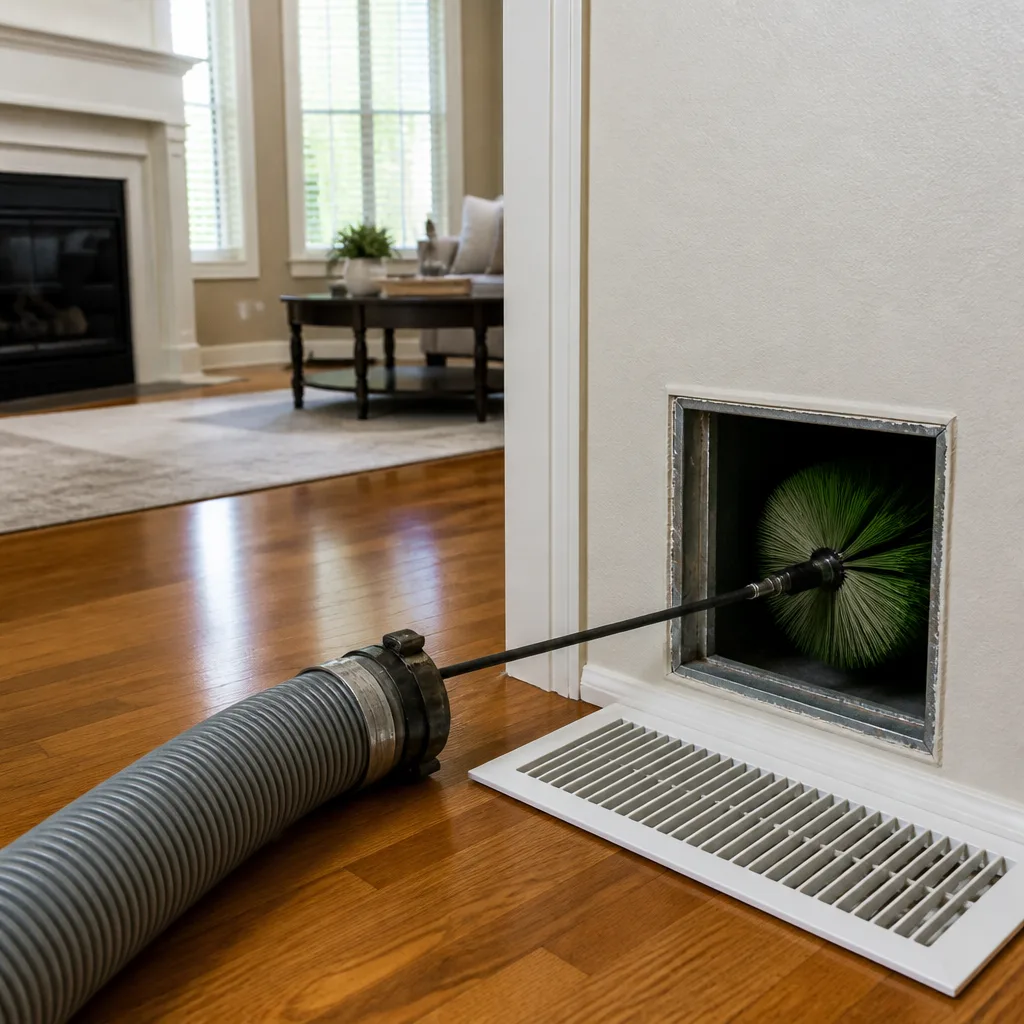
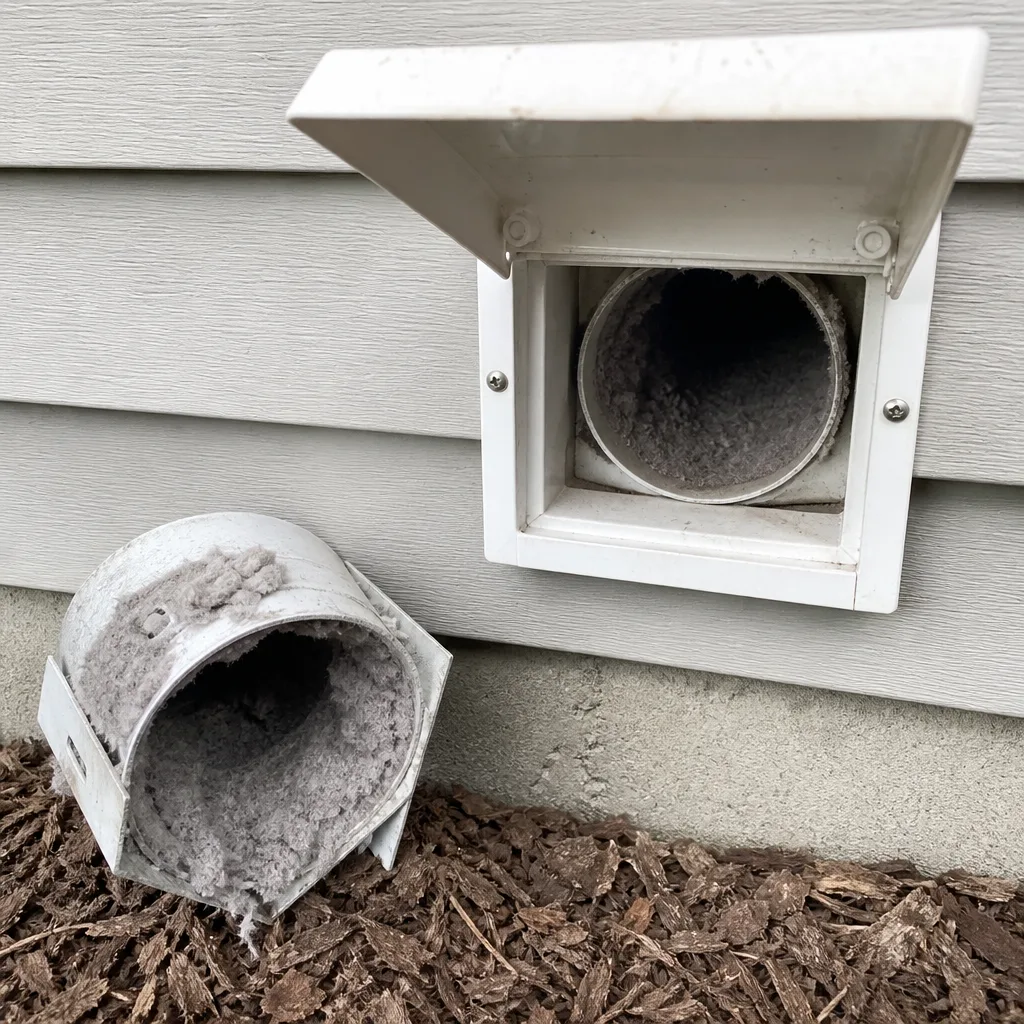
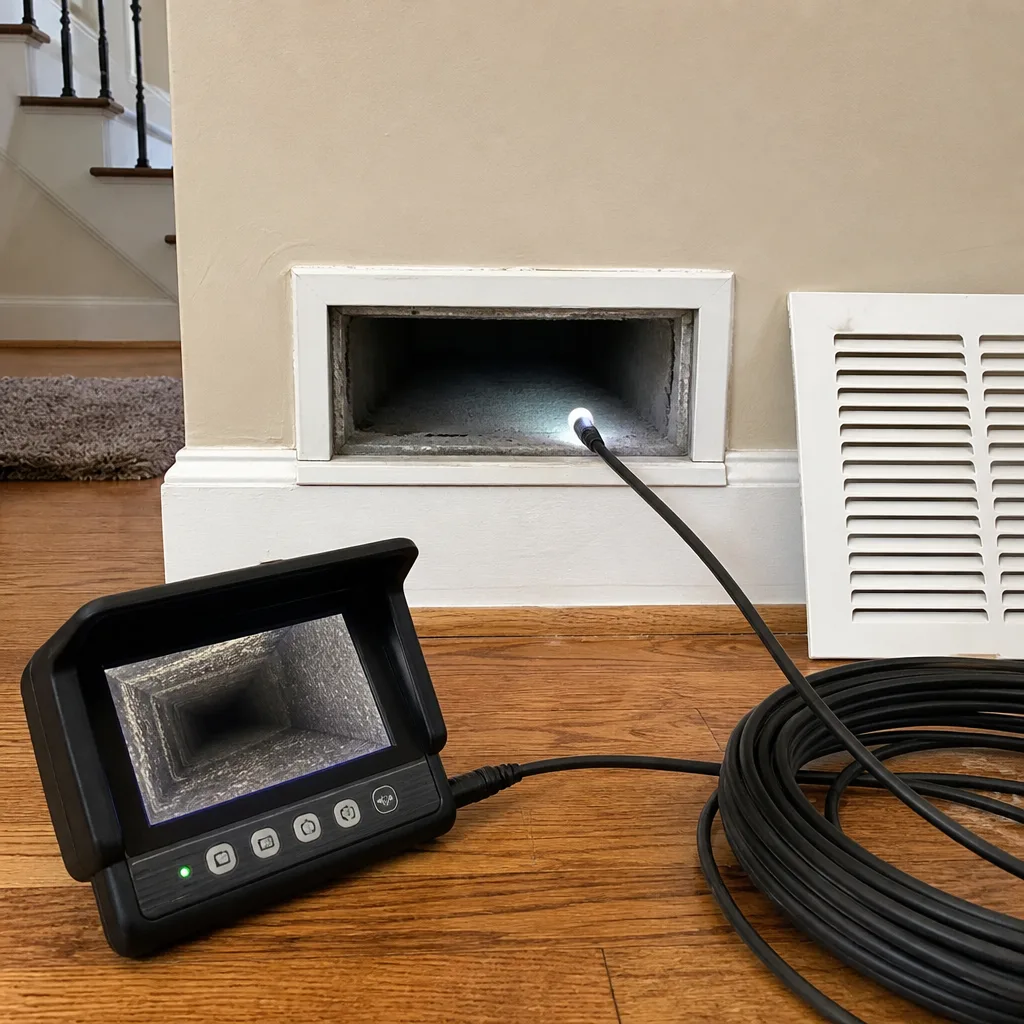
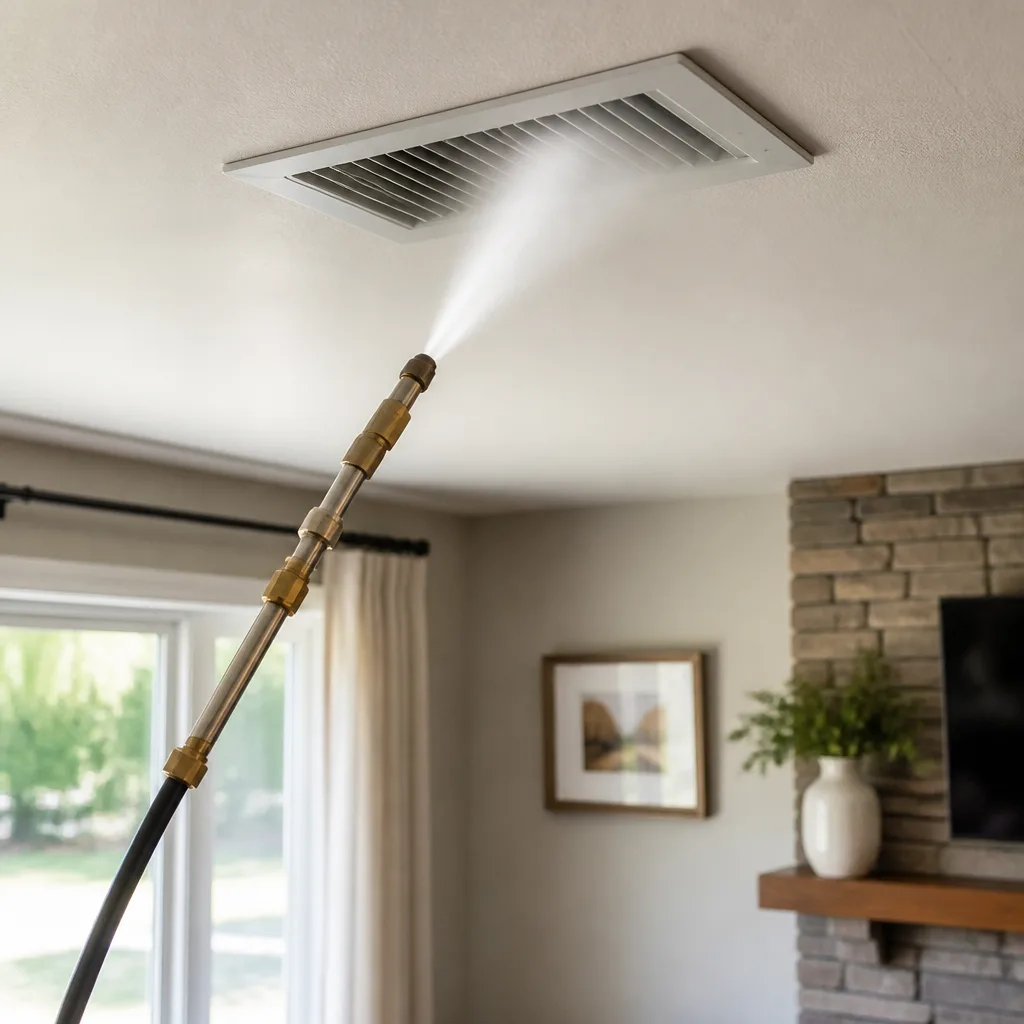
Whole-system duct and dryer vent check with before-and-after photos - you see exactly what came out of your vents
That "$99 whole-house special" is a bait ad - the real number appears once they are in your hallway, or the "clean" is a shop-vac at the register. We photograph the inside of your ducts before and after instead.
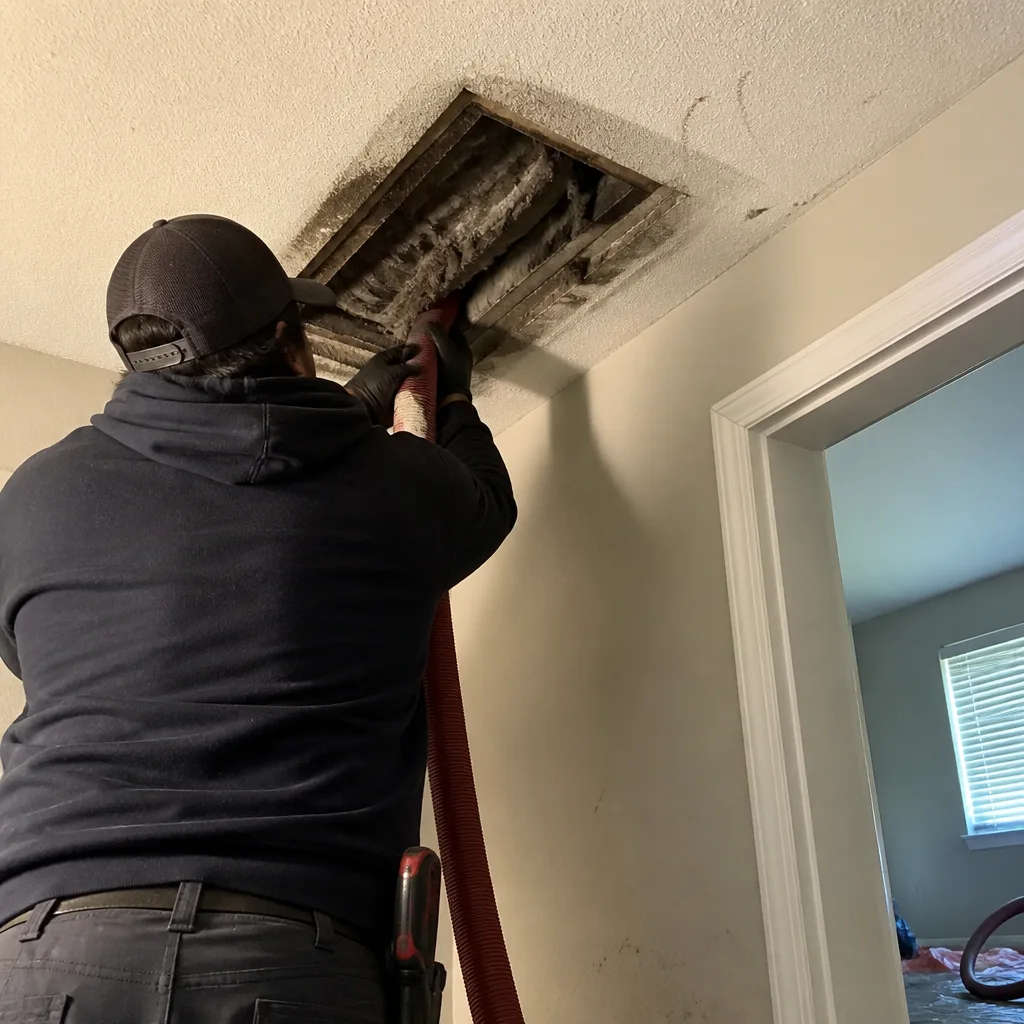 Before
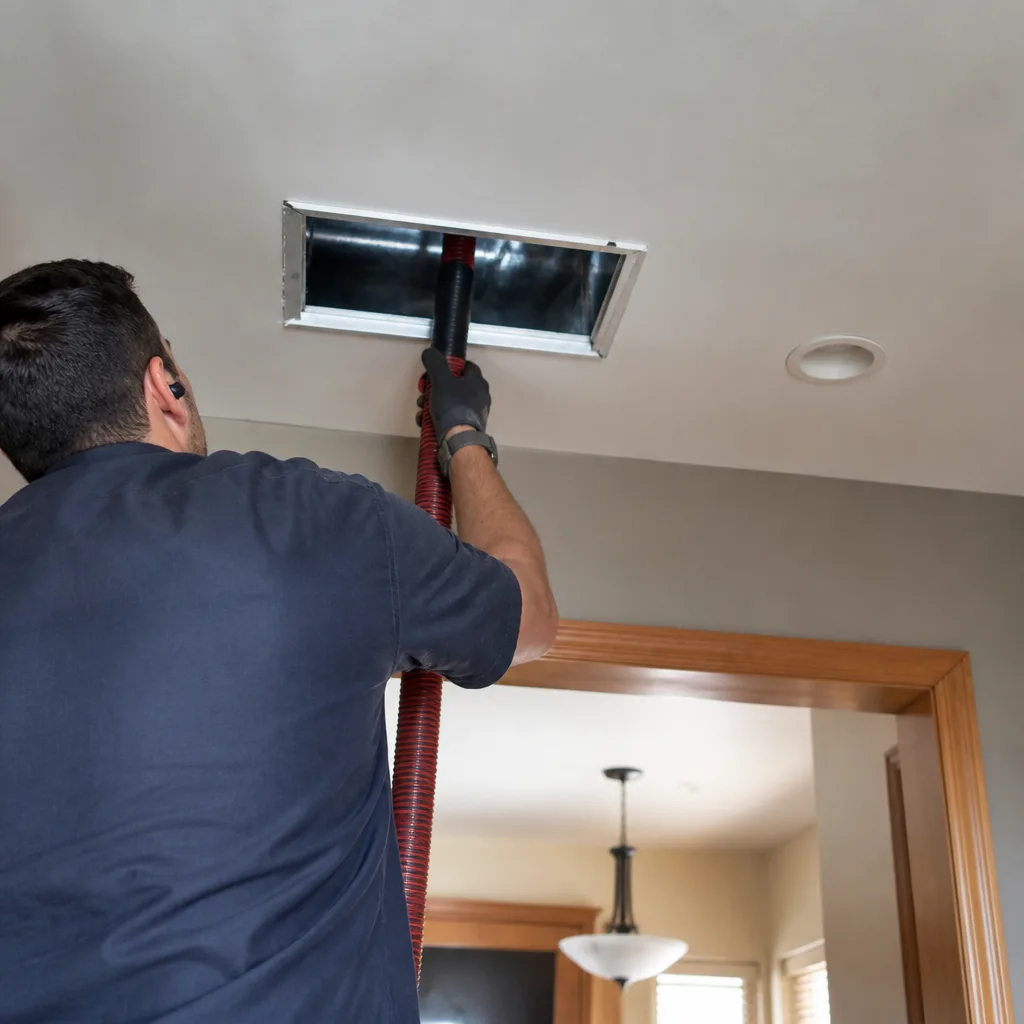 After
After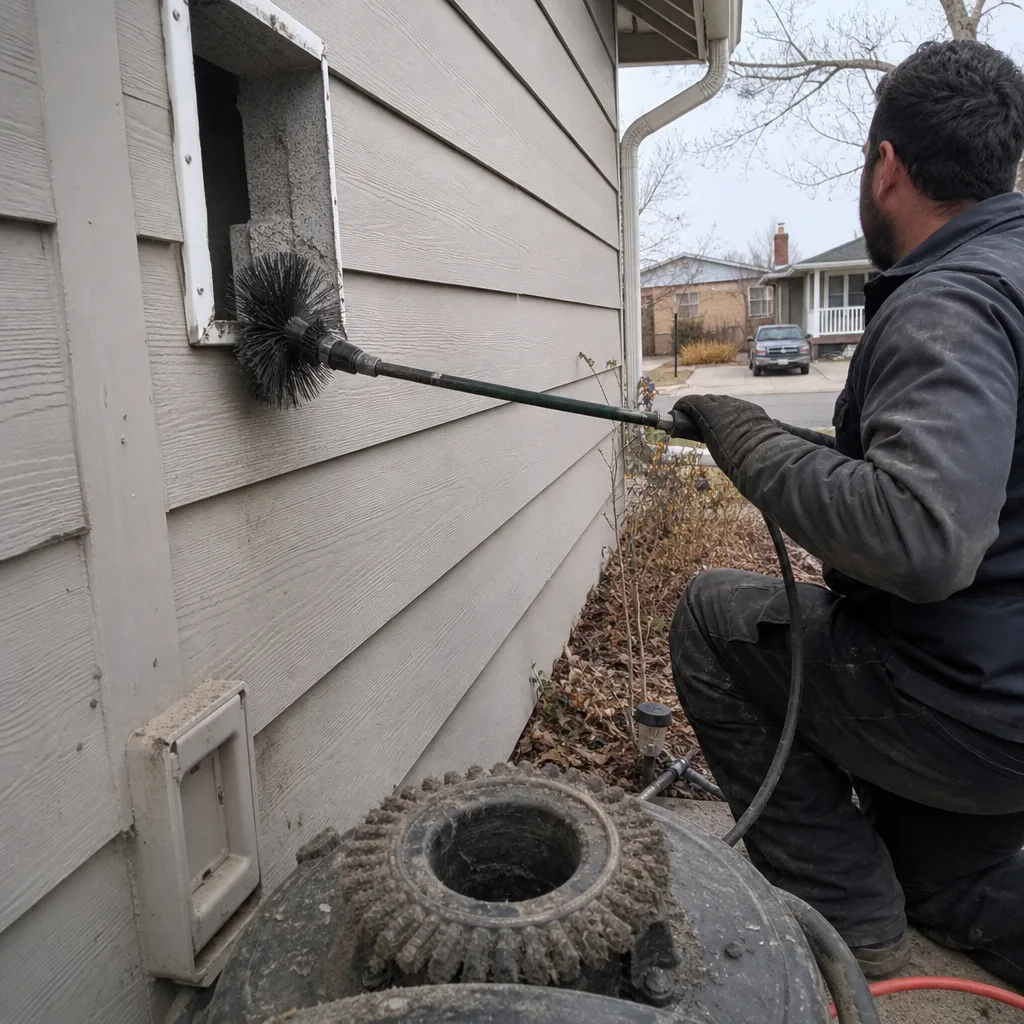 Before
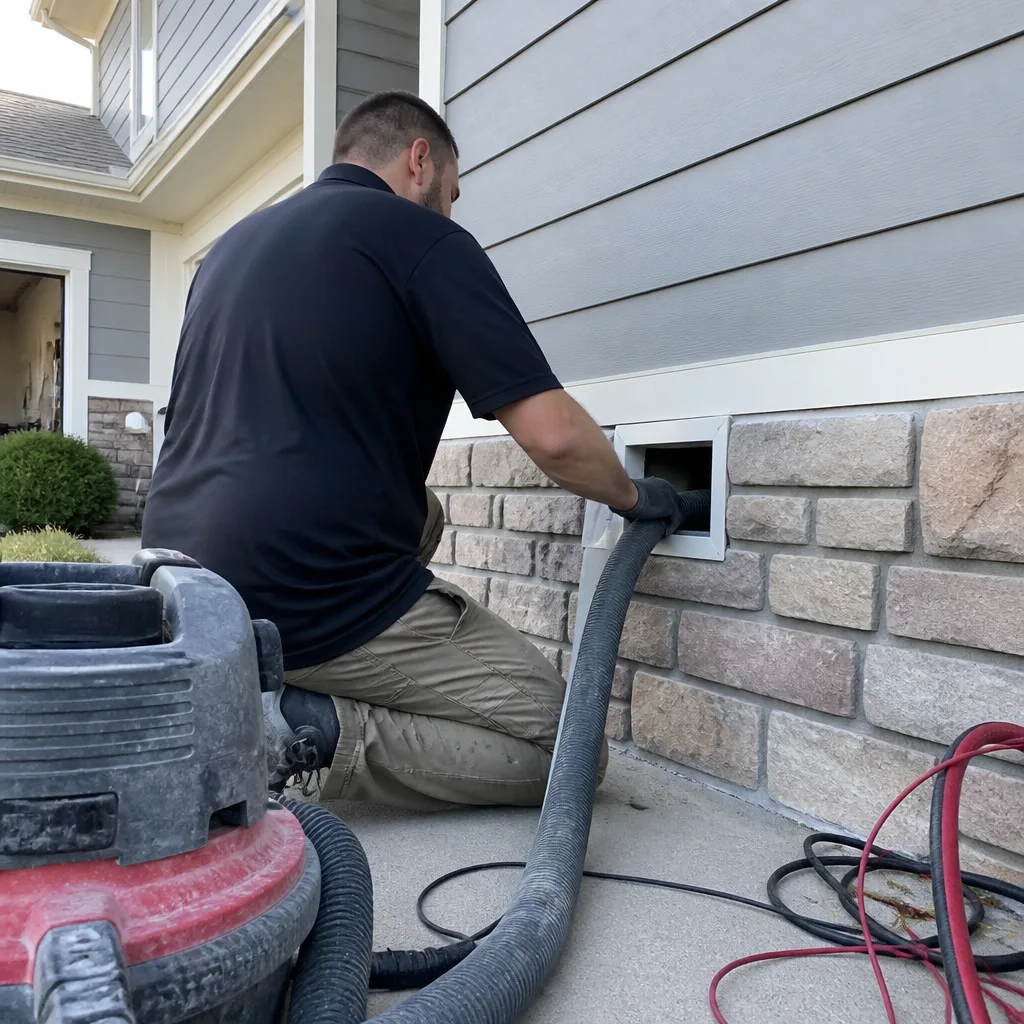 After
After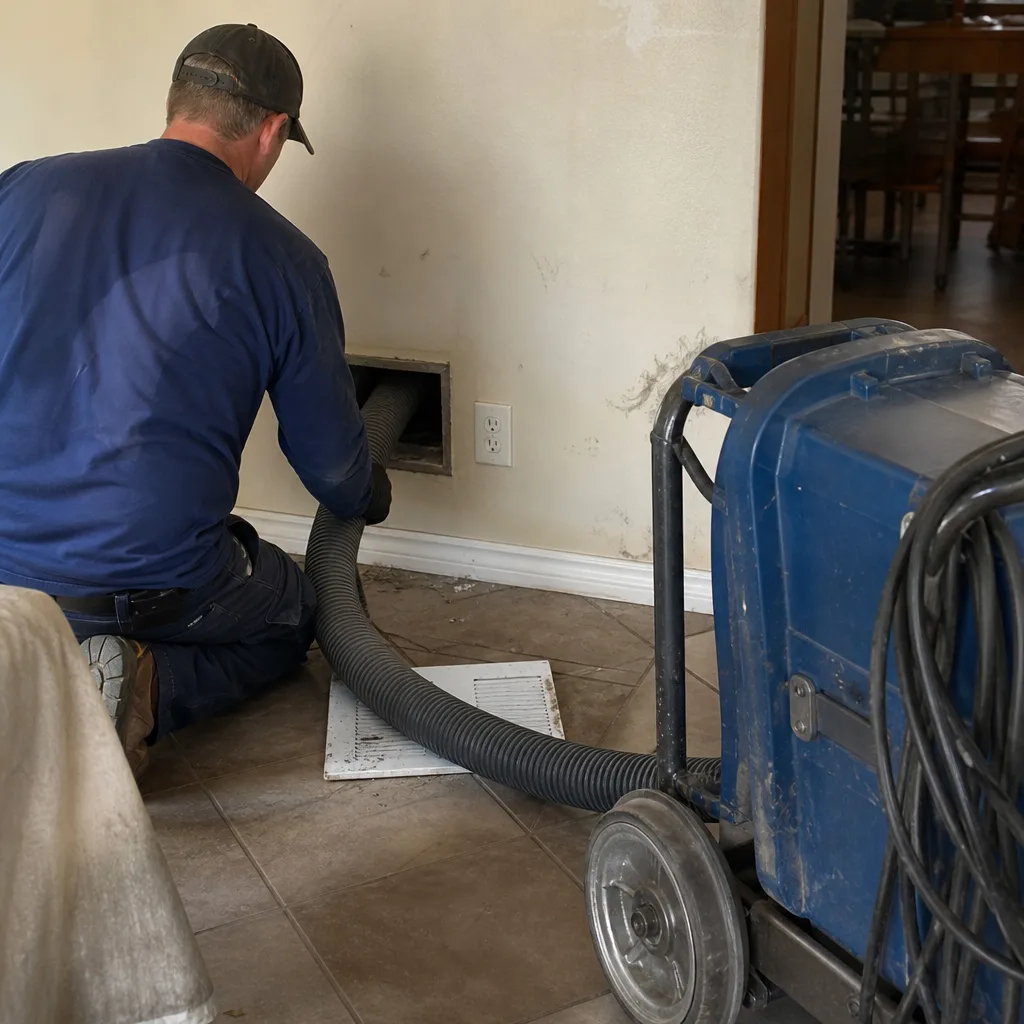 Before
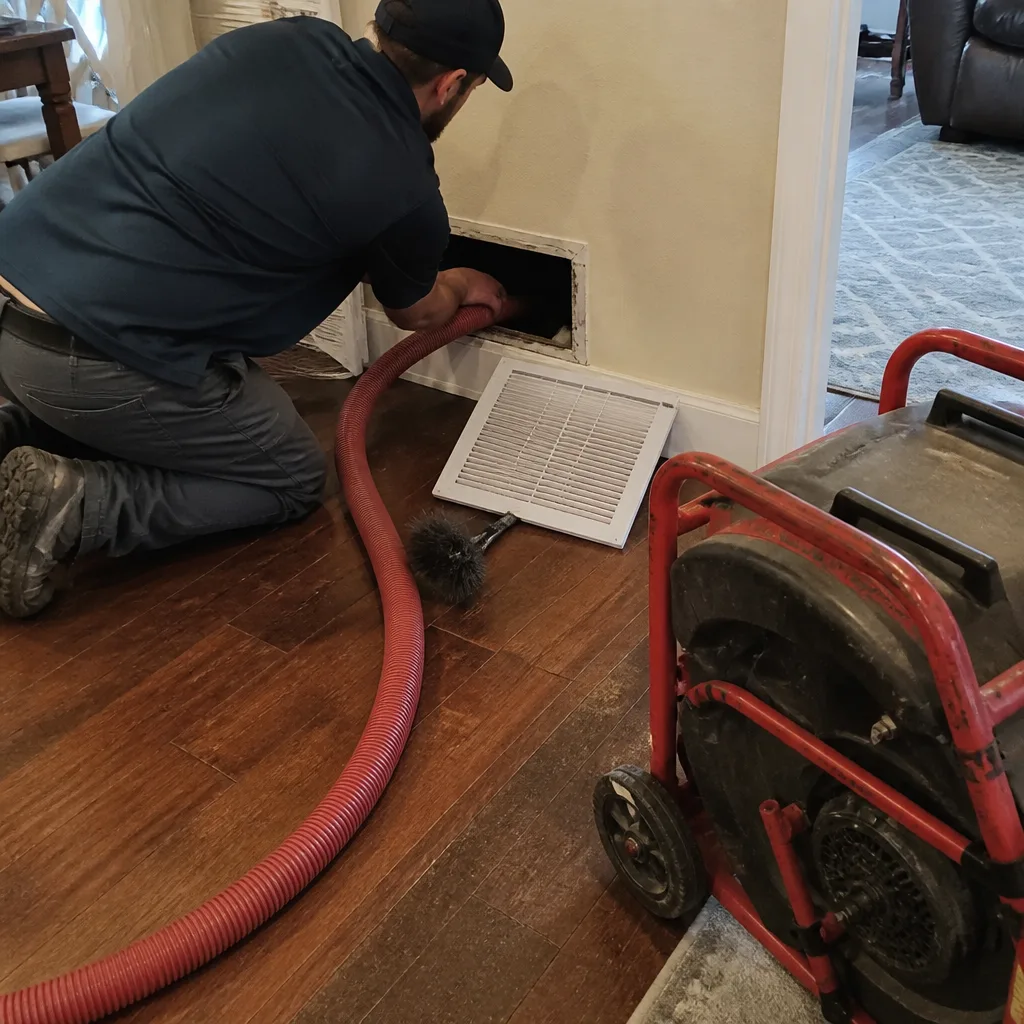 After
AfterSeasonal Air Duct Cleaning Care for Parker: Year-Round Homeowner’s Guide
Parker sits at 5,869 feet, where lower air density changes how particulates behave in ductwork. Dust settles more slowly and travels farther into supply runs than it does at Denver’s elevation, which is why the national “clean every 3-5 years” guideline doesn’t account for Parker conditions. In this guide, you’ll learn how Parker’s four distinct seasons create uneven maintenance demands, why spring chinook winds and fall wildfire smoke windows matter more than calendar reminders, and how to build a seasonal maintenance plan around actual local conditions rather than industry averages.
Quick Answer
Most Parker homeowners need professional air duct cleaning every 2-4 years, with targeted maintenance in spring after chinook wind events and fall after wildfire smoke exposure. The highest-value intervention is verifying return air plenum seals before heating season, which prevents more contamination than cleaning alone. New construction homes in Parker should be cleaned within 60 days of move-in due to residual drywall and sawdust in duct runs.
Table of Contents
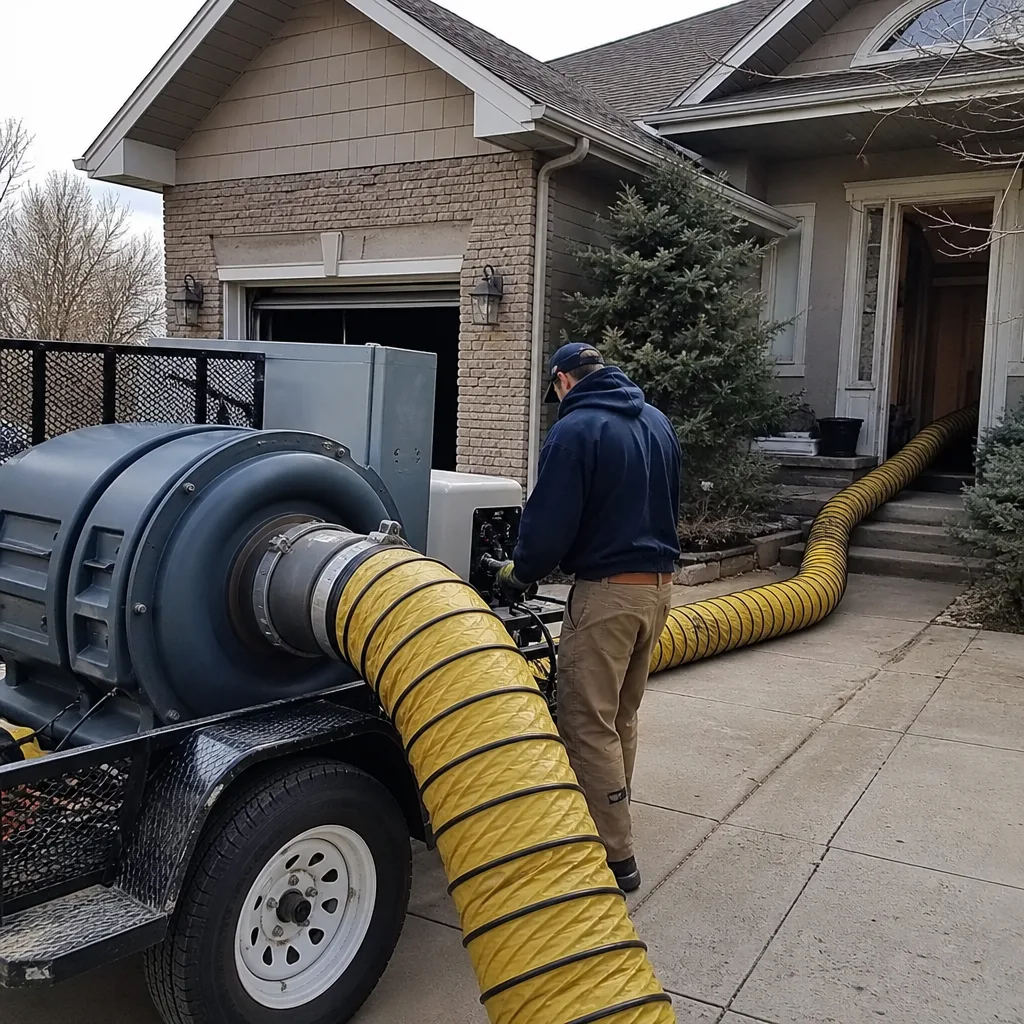
- Why Parker Elevation Changes Everything About Duct Maintenance
- Spring: Chinook Winds and Exterior Particulate Invasion
- Summer: Monsoon Humidity Windows and Mold Risk
- Fall: Wildfire Smoke and Fine Particulate Deposition
- Winter: Dry Air, Static Charge, and Dust Accumulation
- New Construction: The 60-Day Move-In Rule for Parker Subdivisions
- Seasonal Cost Calendar: Budgeting for Real Numbers
- Common Mistakes to Avoid
- When to Call a Professional
- Frequently Asked Questions
BeforeAfterWhy Parker Elevation Changes Everything About Duct Maintenance
At 5,869 feet, Parker is roughly 1,000 feet higher than central Denver. That elevation gap matters for ductwork in ways most homeowners never consider.
Lower air density means two things for your HVAC system. First, the same cubic foot of air carries less oxygen and less thermal mass, so your furnace and air conditioner move more air volume to achieve the same heating or cooling effect. Second, and more relevant to duct contamination, particulates remain suspended longer and travel farther before settling. A dust particle that might drop out in a Denver duct run can make it all the way to a Parker bedroom register.
We’ve photographed this difference. In a Parker home near Challenger Park, our camera showed uniform debris distribution across a 40-foot supply run. In a comparable Denver home at similar duct age, debris concentrated at the first two elbows. The Parker duct required full-run cleaning; the Denver duct needed only localized attention.
This suspension behavior also means Parker’s seasonal events - spring winds, summer humidity spikes, fall smoke - have outsized impact. Particulates that enter the system don’t settle where they enter. They distribute.
The practical implication: Parker homeowners who follow national “every 3-5 years” guidance often discover too late that their ducts carried wildfire particulates or construction dust deep into the system. Local conditions demand local timing.
Spring: Chinook Winds and Exterior Particulate Invasion
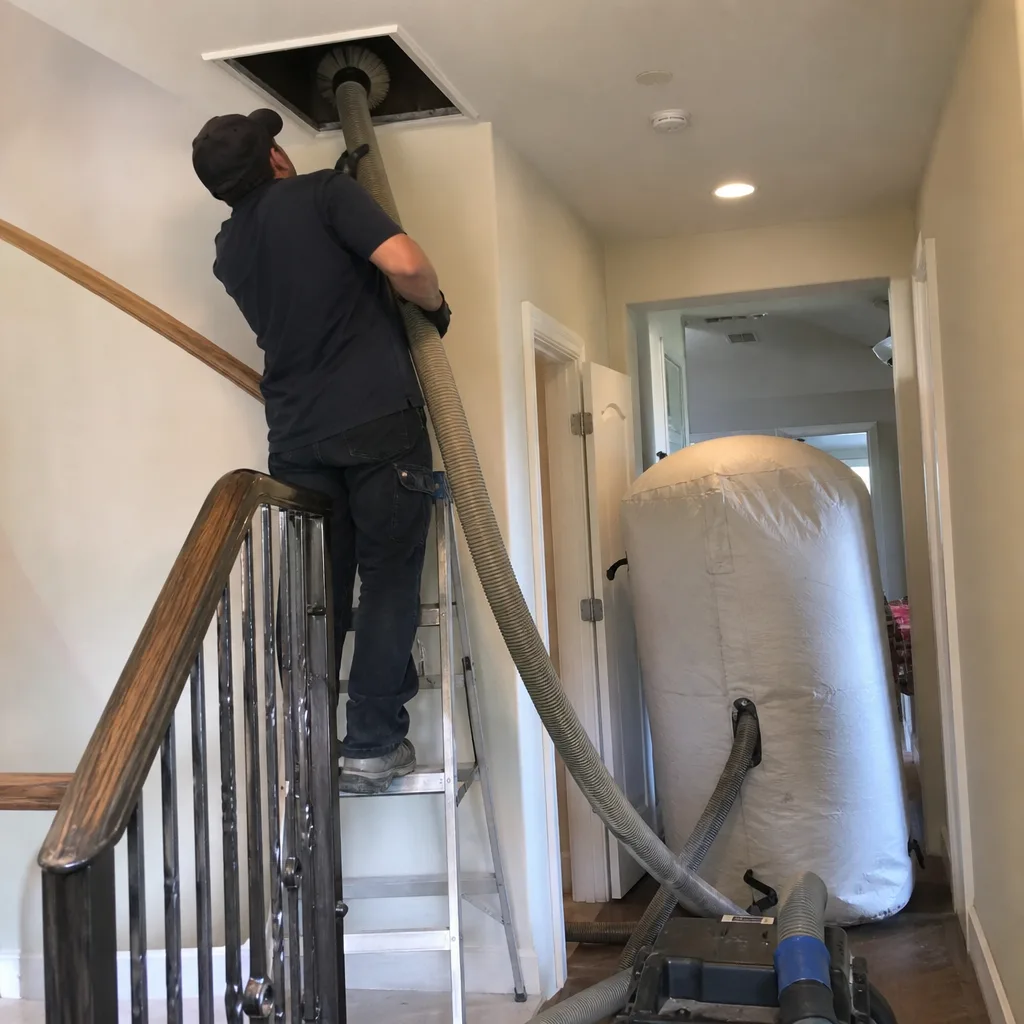
March through May in Parker brings chinook winds, those warm downslope flows that can push sustained speeds above 40 mph. The National Weather Service records gusts exceeding 60 mph in the Parker area most springs. These winds don’t just rattle patio furniture. They test every exterior penetration in your home.
Your HVAC system’s return air pathways are the primary entry point. When the blower is off, pressure differentials between exterior and interior can draw wind-borne dust through gaps in the return plenum, filter housing, or duct seams. When the blower cycles on, that dust distributes through every supply run.
Here’s what we find in Parker homes each April and May:
- Fine silt accumulation at return duct elbows, often 2-4 millimeters thick, composed of Front Range topsoil and road aggregate
- Filter bypass evidence: dust patterns on the clean side of the filter rack, indicating air is finding paths around the filter media
- Increased debris in ducts serving second-story rooms, where stack effect during wind events pulls attic air downward
The pre-spring task that matters most: inspect your return air plenum seals. The plenum is the large duct section that connects your furnace to the return ductwork. If its seams or connections to the furnace cabinet leak, chinook winds pressurize your attic and force particulate-laden air into the system. HVAC cleaning addresses the equipment; sealing addresses the pathway.
Our recommendation for Parker homeowners: schedule a visual plenum inspection in late February, before the wind season. If you’ve had a windy spring and notice increased dust on registers or reduced airflow, consider a targeted cleaning in May. The cost of addressing spring contamination early runs $280-420 for most Parker homes. Waiting until it distributes through the full system typically adds 40-60% to that figure.
Summer: Monsoon Humidity Windows and Mold Risk
Parker’s summer pattern is dry baseline with punctuated humidity spikes. July and August bring the North American Monsoon, when moisture from the Gulf of California reaches the Front Range. Relative humidity in Parker can jump from 15% to 70% in a single afternoon, then drop back within 48 hours.
These rapid swings create a specific ductwork risk: condensation on cool duct surfaces during humidity spikes, followed by slow drying. If dust or organic debris is present in the duct, you have the two ingredients for microbial growth: moisture and food source.
The threshold for concern is not high humidity alone. It’s sustained humidity in a dirty system. A clean duct with temporary condensation dries without consequence. A duct with existing debris accumulation can develop visible mold in 10-14 days of favorable conditions.
What to watch for in Parker summers:
- Musty odor at startup: If your AC produces a damp smell in the first 30 seconds of operation, moisture is collecting somewhere in the system. The smell source is often the evaporator coil or the drain pan, but it can indicate duct conditions worth inspecting.
- Register staining: Dark spots or discoloration around supply registers suggest moisture is carrying debris to the grille surface, where it accumulates and supports growth.
- Increased allergy symptoms in July-August: If your household experiences respiratory symptoms that don’t correlate with outdoor pollen counts, consider whether indoor microbial load is the cause.
The monsoon season is not typically a cleaning season for well-maintained Parker homes. It’s an inspection season. Check your condensate drain line, verify your evaporator coil is clean, and ensure your ductwork has no low points where moisture could pool. If you do find evidence of mold, professional remediation with HEPA containment and negative-pressure extraction is warranted. CleanRun uses Abatement Technologies and Nikro equipment for these scenarios, with photo documentation of the affected areas before and after treatment.
One Parker-specific note: homes in the Pradera and Stonegate areas, with their slightly higher elevations and more exposed sites, see more dramatic humidity swings than neighborhoods in the valley near Parker Road. We’ve documented faster moisture-related debris activation in these locations.
Fall: Wildfire Smoke and Fine Particulate Deposition
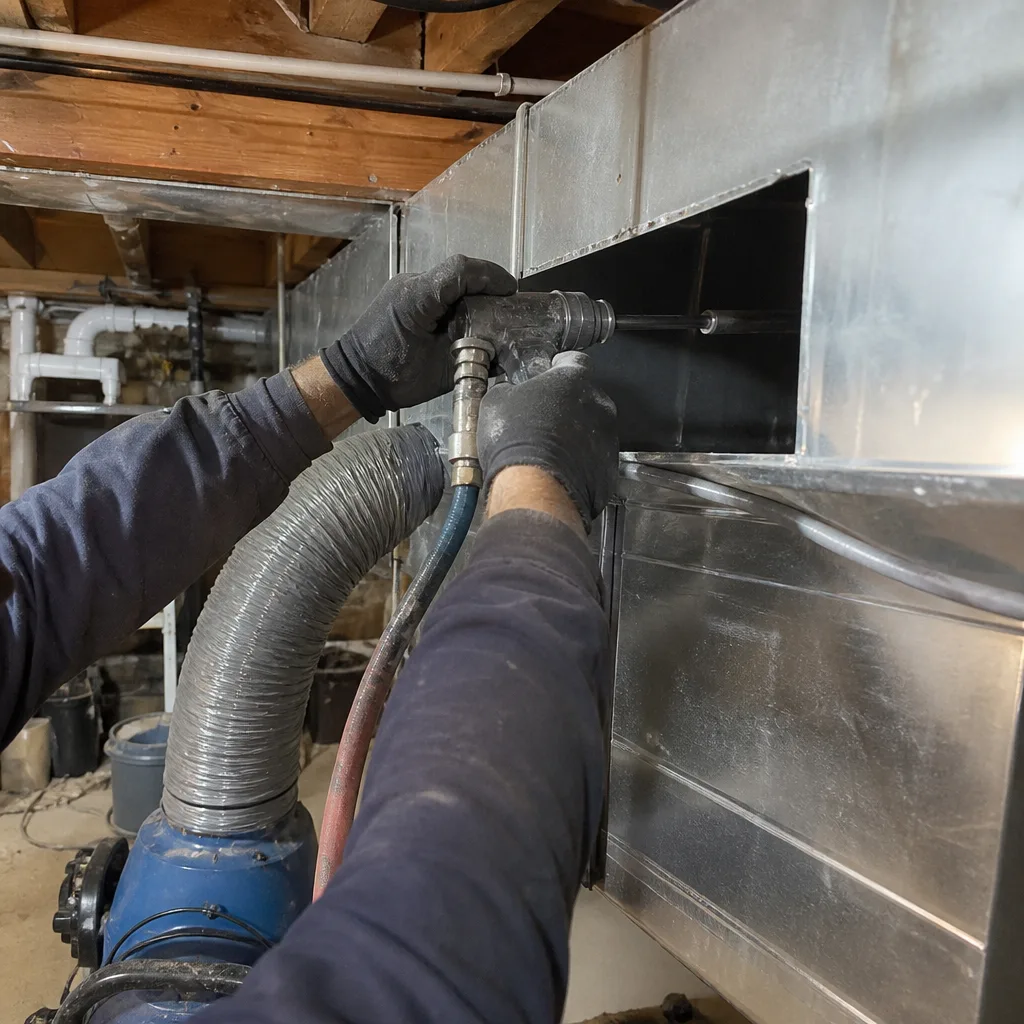
September through November is the most consequential season for Parker ductwork, and the one most homeowners underestimate. Wildfire smoke from Front Range fires, mountain complex fires, and occasionally distant western states reaches the Denver metro area every fall. In 2020, 2021, and 2024, Parker experienced multiple weeks of unhealthy air quality index readings.
Wildfire smoke particulates are not ordinary dust. The combustion process creates particles below 2.5 microns (PM2.5), small enough to pass through standard HVAC filters and deposit in ductwork. These particles carry polycyclic aromatic hydrocarbons and other combustion byproducts. They don’t just dirty ducts; they change the chemistry of what accumulates there.
Here’s how to assess whether fall smoke events have compromised your ductwork:
- Check your filter after smoke events. A filter that was white in August and is gray or tan by October has captured significant particulate load. If it loaded quickly, your ducts likely received bypass or residual flow during the event.
- Inspect visible duct surfaces where accessible. Remove a supply register and look at the duct interior with a flashlight. Wildfire residue appears as a uniform gray film, not the fluffy dust of normal accumulation. It often has a slight oily or tacky quality.
- Monitor household symptoms. Persistent throat irritation, headache, or “smoky” odor perception when the system runs suggests residual particulate is re-entraining into occupied air.
The threshold for professional cleaning versus filter replacement: if you ran your HVAC during smoke events with anything less than a MERV 13 filter, or if your filter loaded to visible discoloration within two weeks, schedule a cleaning. The cost of fall smoke remediation in Parker typically runs $320-480 for a single-system home. Filter replacement alone will not remove deposited particulate from duct surfaces.
CleanRun’s documented photo record is particularly valuable for smoke events. We photograph the gray film characteristic of wildfire residue, then the same surface after removal. Homeowners can see the difference between a new filter (which addresses future air) and cleaned ducts (which address accumulated contamination).
For Parker homeowners in neighborhoods like Bradbury Ranch or Cottonwood, where homes are tighter and more energy-efficient, smoke infiltration during pressure events can be paradoxically worse. Tight envelopes with inadequate mechanical ventilation create stronger negative pressure when exhaust fans or range hoods operate, pulling smoky exterior air through every available pathway.
Winter: Dry Air, Static Charge, and Dust Accumulation
December through February in Parker brings cold, dry air. Indoor relative humidity routinely drops below 20%, and static electricity becomes a household annoyance. What most homeowners don’t connect: static charge affects how dust behaves in ductwork.
Dry air increases electrostatic attraction between dust particles and duct surfaces. Particles that might remain suspended and eventually reach the filter instead adhere to duct walls. Over a Parker winter, this produces a characteristic pattern: thin, uniform coating rather than localized piles. The dust doesn’t look dramatic in photos, but it covers more surface area than seasonal accumulation at other times of year.
The more significant winter issue is what this dry, dusty air does to occupied spaces. Irritated sinuses, dry skin, and increased dusting frequency are common complaints. Homeowners often respond by running humidifiers, which can introduce mineral dust if not maintained with distilled water, or by changing filters more frequently, which addresses symptoms but not the duct source.
Winter is not typically a cleaning season for Parker homes with normal maintenance history. It’s a monitoring season. Check your humidifier if you use one; ensure it’s clean and properly scaled for your square footage. Change filters monthly if you’re running the furnace continuously. And note whether your dust accumulation pattern changes: if you’re dusting surfaces twice as often as in summer, your ducts are likely contributing.
The pre-heating-season task that reduces duct contamination more than any cleaning: verify that return air plenums are sealed against attic infiltration. In Parker, winter temperature differentials between heated space and unheated attic create strong stack effect pressure. A leaky return plenum pulls cold, dusty attic air directly into the system. We’ve found gaps in plenum seams that allowed visible attic insulation fibers to accumulate in furnace filters within weeks of heating season startup.
Sealing a return plenum costs $150-300 in most Parker homes. Cleaning ducts contaminated by attic infiltration costs $280-450. The math is straightforward, but the inspection requires accessing the furnace area with a flashlight and inspection mirror, or scheduling a professional evaluation.
New Construction: The 60-Day Move-In Rule for Parker Subdivisions
Parker’s ongoing development - new subdivisions in areas like Reunion, Meridian, and the eastern expansion along E-470 - creates a specific duct contamination scenario that national guidelines don’t address. Construction dust has a different composition and behavior than operational dust, and it enters ductwork through pathways that don’t exist in established homes.
During construction, HVAC systems are often operated before final cleaning to control humidity and temperature for finishing work. Drywall sanding, wood cutting, and concrete work generate fine particulate that the system captures imperfectly. Even when contractors cover registers, the return side of the system is typically open and draws construction air continuously.
The result: drywall dust, which is gypsum and silica, coats duct surfaces with a fine white film. This film is more adhesive than household dust due to its mineral content and any residual moisture from drying compounds. It provides a substrate that accelerates accumulation of normal operational dust once the home is occupied.
We’ve photographed new construction ducts in Parker that appeared clean to casual inspection but showed 1-2 millimeters of white film on camera. Within six months of occupancy, that film had captured enough additional debris to create visible buildup at elbows and register boots.
The 60-day rule: schedule professional duct cleaning within 60 days of move-in, before the construction substrate has time to bond with operational dust. This is the highest-value cleaning most Parker homeowners will ever purchase. The ducts are accessible, the contamination is known and limited, and the cleaning prevents years of accelerated accumulation.
Cost for post-construction cleaning in Parker: $340-520 depending on system size and number of duct runs. This is typically 15-20% higher than maintenance cleaning due to the heavier initial load, but it eliminates the need for early re-cleaning that many new homeowners find necessary at 18-24 months.
One Parker-specific consideration: homes in developments with ongoing construction nearby may experience secondary dust events. If your home was completed while adjacent lots were still active, consider whether a second cleaning at 12-18 months is warranted. We’ve documented this in the Meridian Village area, where phased construction extended over multiple years.
Seasonal Cost Calendar: Budgeting for Real Numbers
Industry pricing averages are useless for Parker homeowners because they blend markets with different labor costs, travel distances, and equipment requirements. The table below shows actual price ranges for duct maintenance tasks in the Parker market, based on CleanRun’s written quotes since 2013. These are whole-system prices, agreed before work starts, with no per-vent add-ons.
| Service | Typical Range | Best Timing | Notes |
|---|---|---|---|
| Standard air duct cleaning (single system) | $280-420 | Spring or fall | Includes all supply and return runs, main trunk, photo record |
| Standard air duct cleaning (dual system) | $480-680 | Spring or fall | Two furnaces, typical in homes over 3,500 sq ft |
| Dryer vent cleaning | $140-220 | Annual, any season | Separate service, critical for fire safety |
| Return plenum seal inspection | $0-150 | Late February | Often included with other service; standalone if visual only |
| Return plenum sealing (if needed) | $150-300 | Before heating season | Mastic and mechanical fastening, photo-verified |
| Post-construction cleaning | $340-520 | Within 60 days of move-in | Heavier load, includes debris removal from all runs |
| Wildfire smoke remediation | $320-480 | After AQI returns to normal | HEPA containment, negative-pressure extraction |
| Evaporator coil cleaning | $180-280 | Before AC season | Part of full HVAC cleaning or standalone |
These ranges reflect CleanRun’s Haven Standard Clause 1 pricing: written, itemized, and agreed before any panel comes off. The low end of each range typically covers homes under 2,500 square feet with straightforward duct access. The high end covers larger homes, complex duct routing, or heavier contamination requiring additional agitation and extraction time.
What these numbers don’t include: upsells, per-vent charges, or “surprise” findings that inflate the invoice. Our 365-Day Done Right Promise applies to every job at every price point.
Common Mistakes to Avoid
- Waiting for visible dust at registers. By the time dust is visible at supply registers, contamination has distributed through the entire system. Register dust is a late indicator, not an early warning. Parker homeowners who clean at first airflow reduction save 30-50% versus those who wait for visible evidence.
- Buying $79 coupon cleanings. These services typically cover 8-10 vents with a shop vacuum and rotary brush, skip the return side entirely, and leave main trunk lines untouched. We’ve opened ducts after these services and found the first elbow cleaned, everything beyond untouched. The photo record exposes this; the absence of a photo record enables it.
- Ignoring the return side. Supply ducts deliver conditioned air; return ducts draw air back to the furnace. Return ducts are typically dirtier because they lack the positive pressure that keeps supply ducts cleaner. A cleaning that addresses only supply runs misses half the system and often the more contaminated half.
- Running the fan during wildfire smoke events. When outdoor AQI exceeds 150, recirculate indoor air only. Running the fan on “on” instead of “auto” pulls smoky exterior air through every leak in your return pathway. If you must run the fan, ensure your filter is MERV 13 or higher and seal known return leaks with tape as a temporary measure.
- Assuming new homes are clean. Construction dust is different from household dust and more damaging to long-term duct conditions. The 60-day post-move-in cleaning prevents substrate bonding that accelerates accumulation for years.
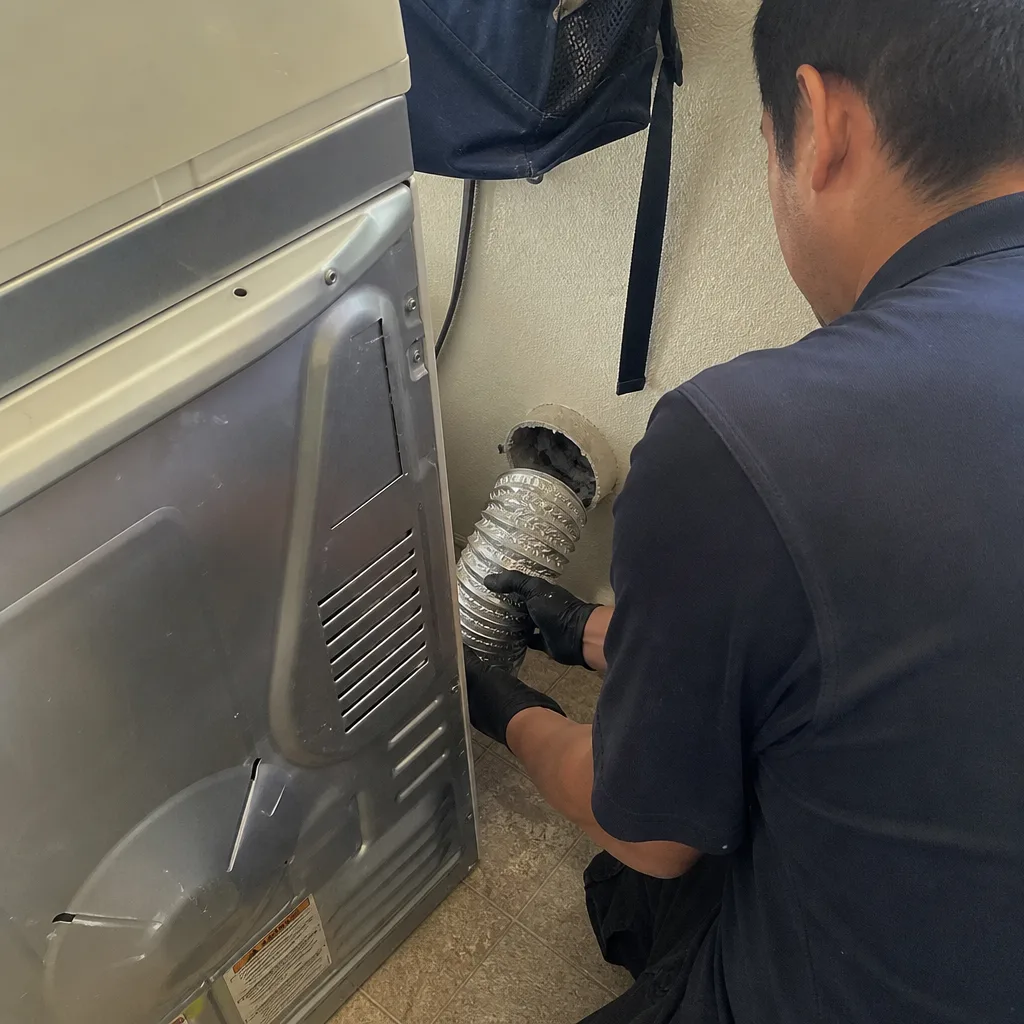
- Neglecting dryer vents while focusing on ducts. Dryer vent cleaning is a separate service with separate safety implications. Lint accumulation is the leading cause of residential dryer fires, and Parker homes with long vent runs (common in two-story designs) are at elevated risk. Annual cleaning costs $140-220 and takes 45 minutes.
- Using the wrong filter MERV rating. High-MERV filters capture more particulate but increase system resistance. Furnaces not designed for MERV 13+ can suffer reduced airflow, overheating, and premature failure. Check your equipment manual or have a technician verify compatible filter ratings. In Parker, MERV 8-11 is typically appropriate for standard residential equipment.
When to Call a Professional
Schedule a professional evaluation when you observe any of the following: persistent musty odor at system startup, visible mold or staining at registers, reduced airflow at specific rooms, dust accumulation that increases dramatically after wind or smoke events, or any time you’ve run your system during wildfire smoke with less than MERV 13 filtration. For new Parker homeowners, the 60-day post-construction cleaning is strongly recommended regardless of visible symptoms.
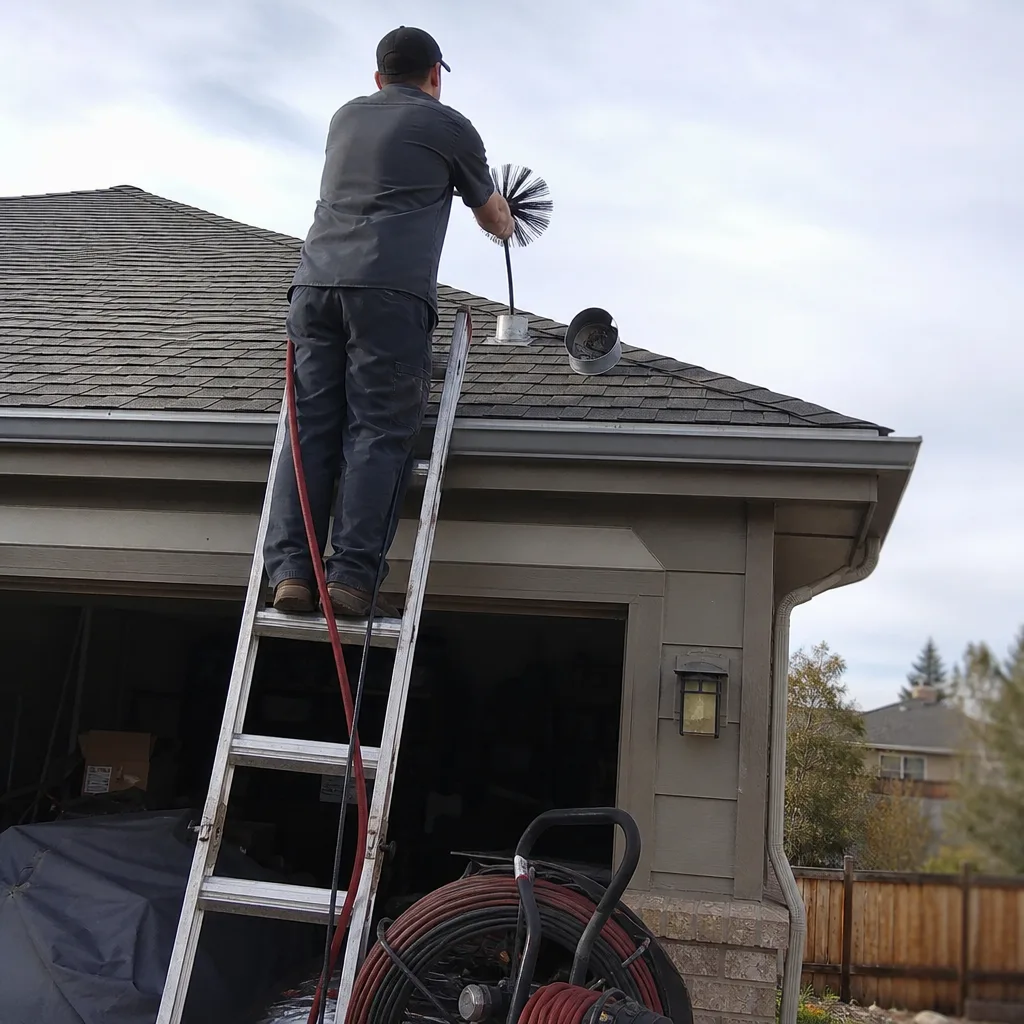
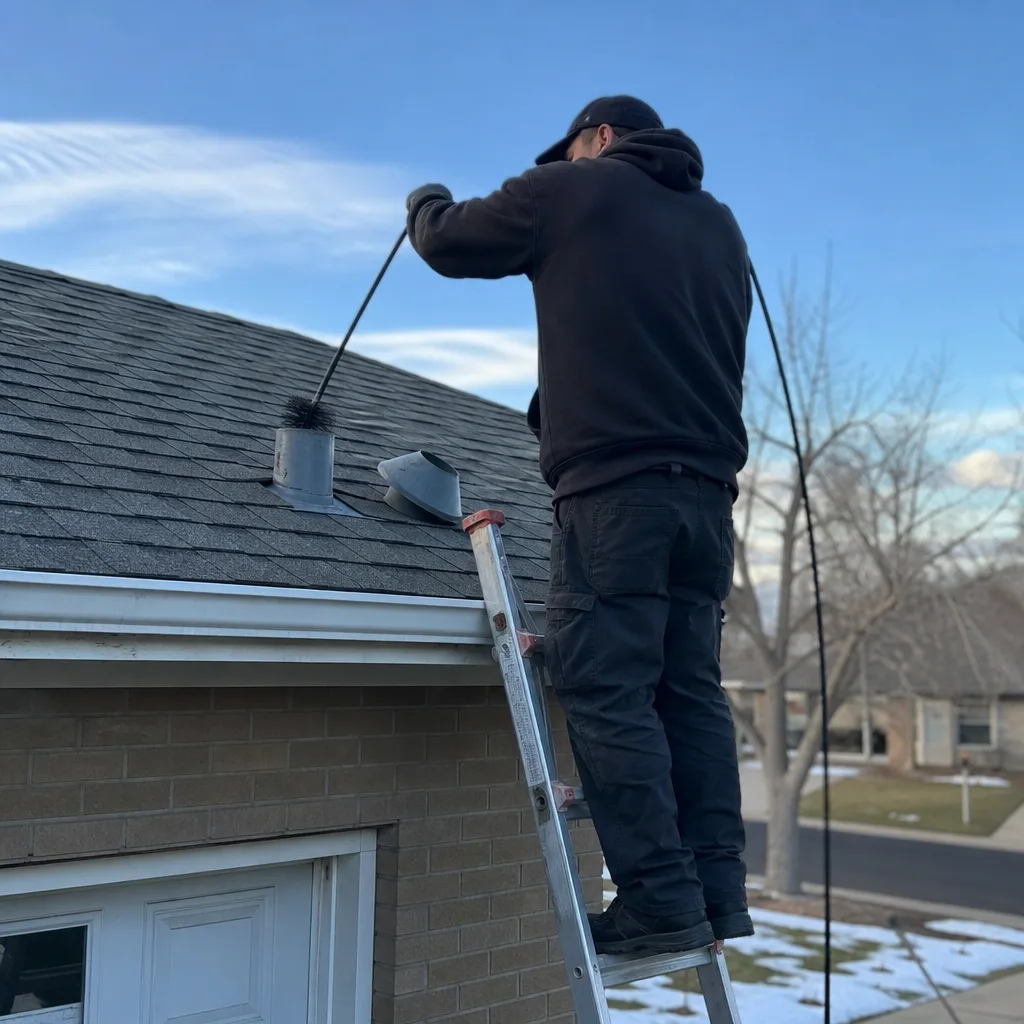
CleanRun Air Duct Cleaning Parker offers free estimates in Parker. We’ll inspect your system, photograph accessible duct sections, and provide a written price before any work begins. Our technicians use Rotobrush and Guardsman equipment for agitation and extraction, with photo documentation of every run. Call (719) 259-4520 to schedule.
Frequently Asked Questions
Whole-system air duct cleaning in Parker typically costs $280-420 for a single-system home and $480-680 for dual-system homes. These are flat prices per system, agreed in writing before work starts, with no per-vent add-ons. Call (719) 259-4520 for an exact quote on your home - estimates are free.
Low quotes typically cover only supply registers with portable equipment, skipping return ducts and main trunk lines. The industry term is “blow and go” - a technician spends 45 minutes with a shop vacuum, leaves a receipt, and the ducts remain largely uncleaned. A proper cleaning with negative-pressure extraction, rotary agitation, and full-system access takes 3-4 hours for an average home. The photo record proves what was actually done.
Demand a documented photo record of every duct run, before and after. CleanRun includes this as standard on every job, delivered to the customer as part of the job record. If a company cannot or will not show you the inside of your ducts, you have no evidence that cleaning occurred. The Haven Standard requires photographic verification for this reason.
Every 2-4 years for most established Parker homes, with targeted cleaning after significant events like wildfire smoke exposure or construction. Homes with pets, allergies, or ongoing development nearby may need more frequent service. The elevation and wind patterns in Parker accelerate distribution compared to lower-elevation markets, so the national 3-5 year guideline understates local need.
Homeowners can change filters, vacuum register grilles, and inspect accessible duct sections with a flashlight. Deep cleaning of duct runs requires professional-grade negative-pressure extraction equipment and rotary agitation tools to dislodge adhered debris without damaging ductwork. Attempting DIY cleaning with household vacuums risks damaging flex duct, dislodging connections, or releasing contamination into occupied space without containment. For safety and effectiveness, professional service is recommended.
Moderately, in specific conditions. A heavily contaminated system with restricted airflow can see 5-15% efficiency improvement after cleaning. A lightly contaminated system shows minimal efficiency change. The primary benefits of cleaning are indoor air quality and system longevity, not energy savings. Be skeptical of claims that cleaning will “slash your energy bills” - the physics don’t support dramatic savings in typical residential systems.
Clear a 3-foot workspace around your furnace and major duct access points. Remove fragile items from shelves near work areas - vibration from rotary equipment can cause items to shift. Ensure pets are secured in a separate area. The technician will need to access every register, so removing decorative covers in advance saves time. We’ll provide a written scope and price before starting, photograph every run, and leave the work areas as we found them.
The Bottom Line
Parker’s elevation, wind patterns, and wildfire exposure create duct maintenance needs that national averages don’t capture. The homeowners who spend least over time are those who: seal return plenums before heating season, clean within 60 days of new construction move-in, address spring and fall contamination events promptly, and demand documented evidence of any work performed. Calendar-based cleaning is less efficient than condition-based cleaning informed by local conditions. The photo record, written price, and 365-Day Done Right Promise exist so you can verify, not just trust.
Written by Tomas Reyes, Owner at CleanRun Air Duct Cleaning Parker, serving Parker since 2013.