
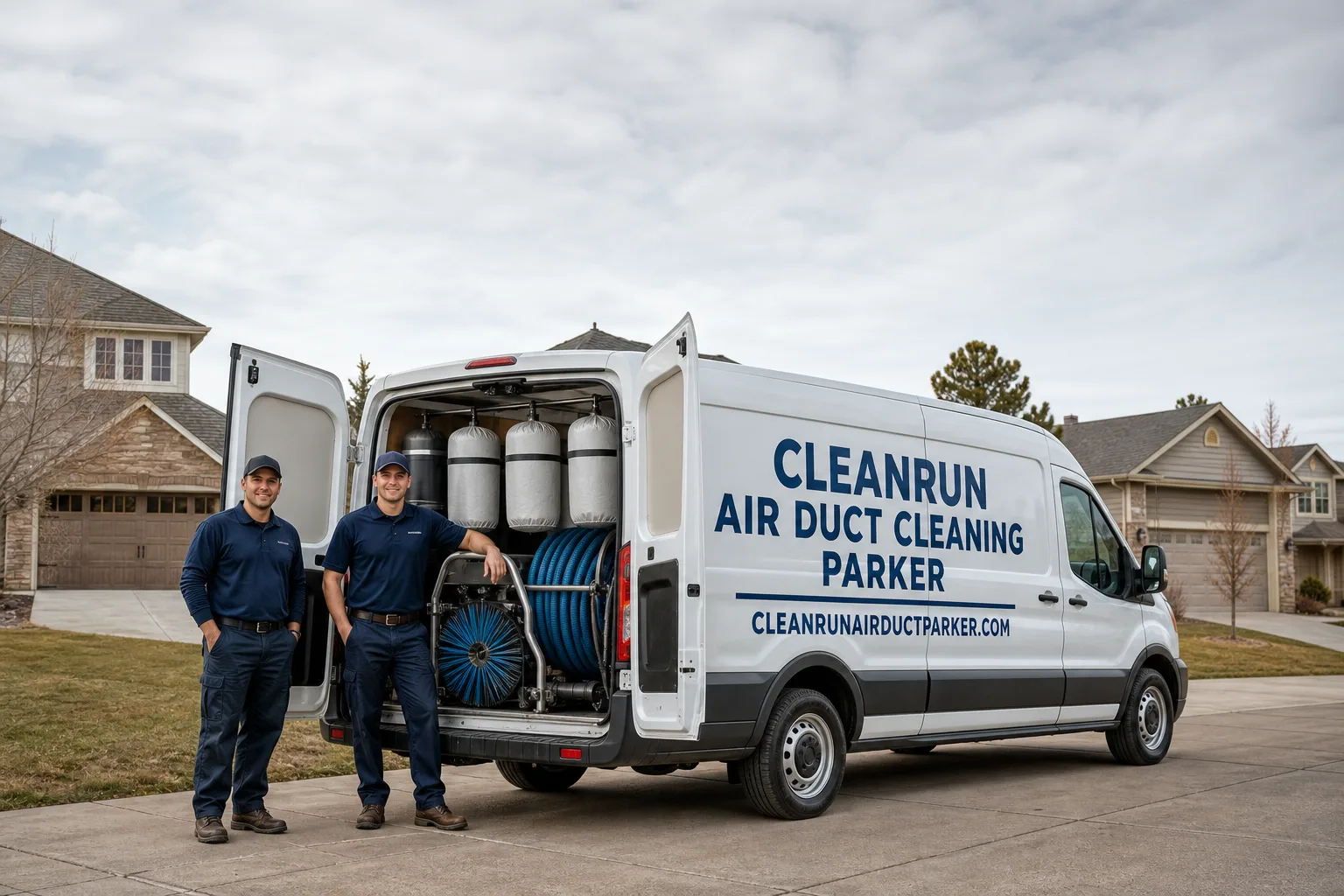
Whole-system duct and dryer vent check with before-and-after photos - you see exactly what came out of your vents
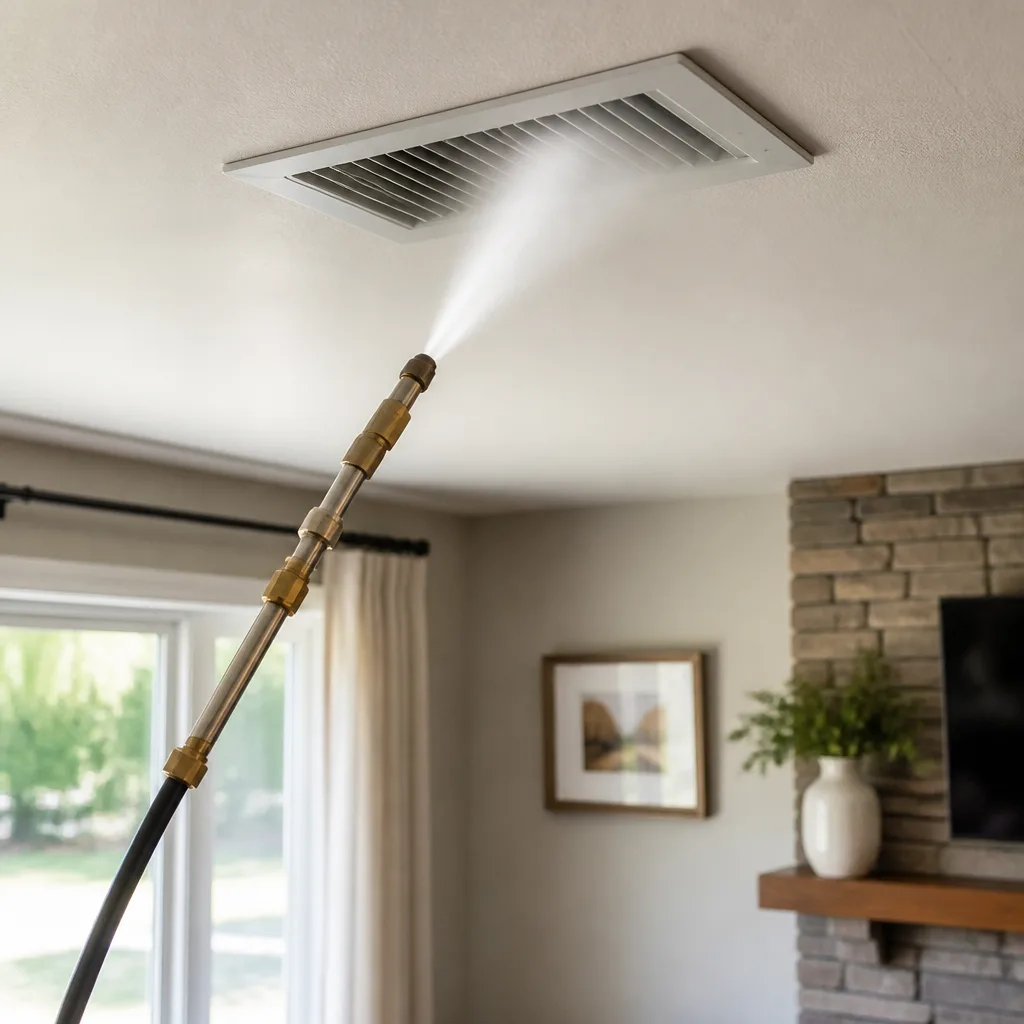
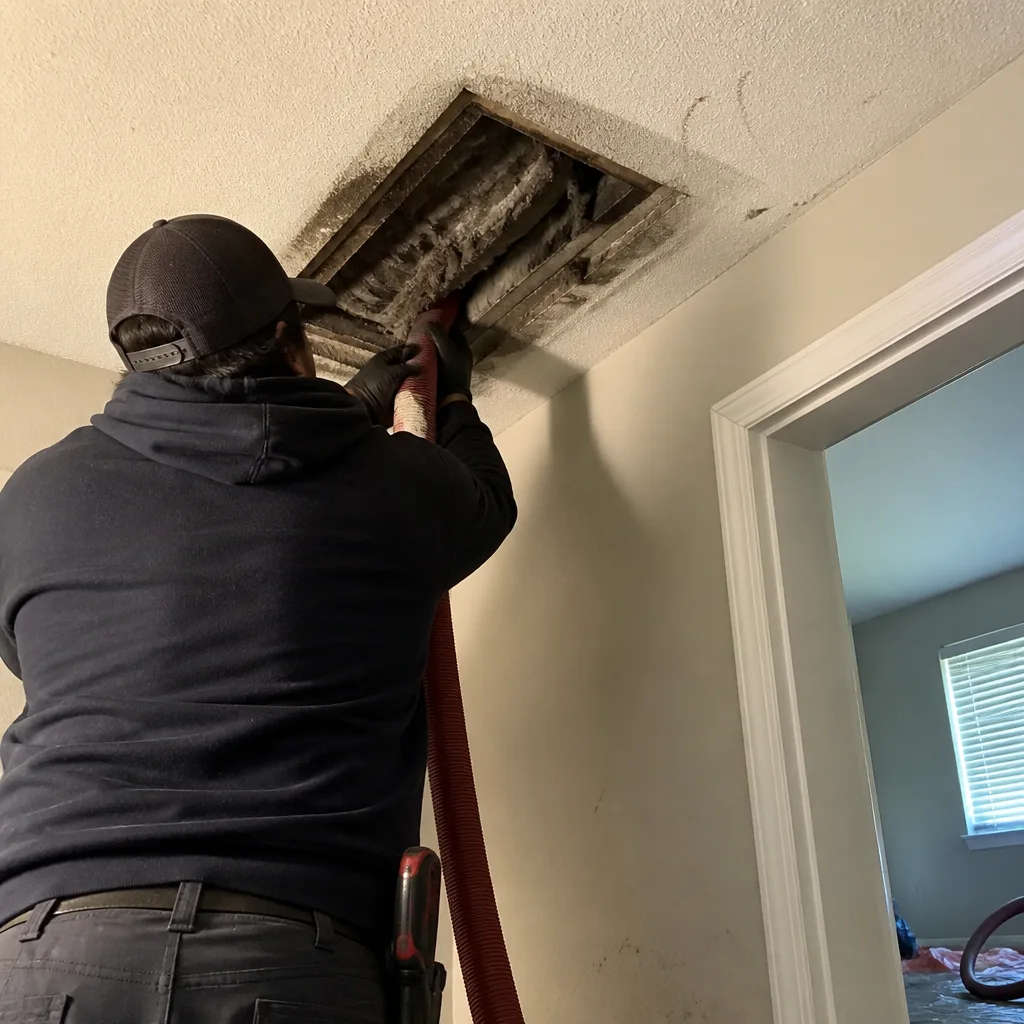
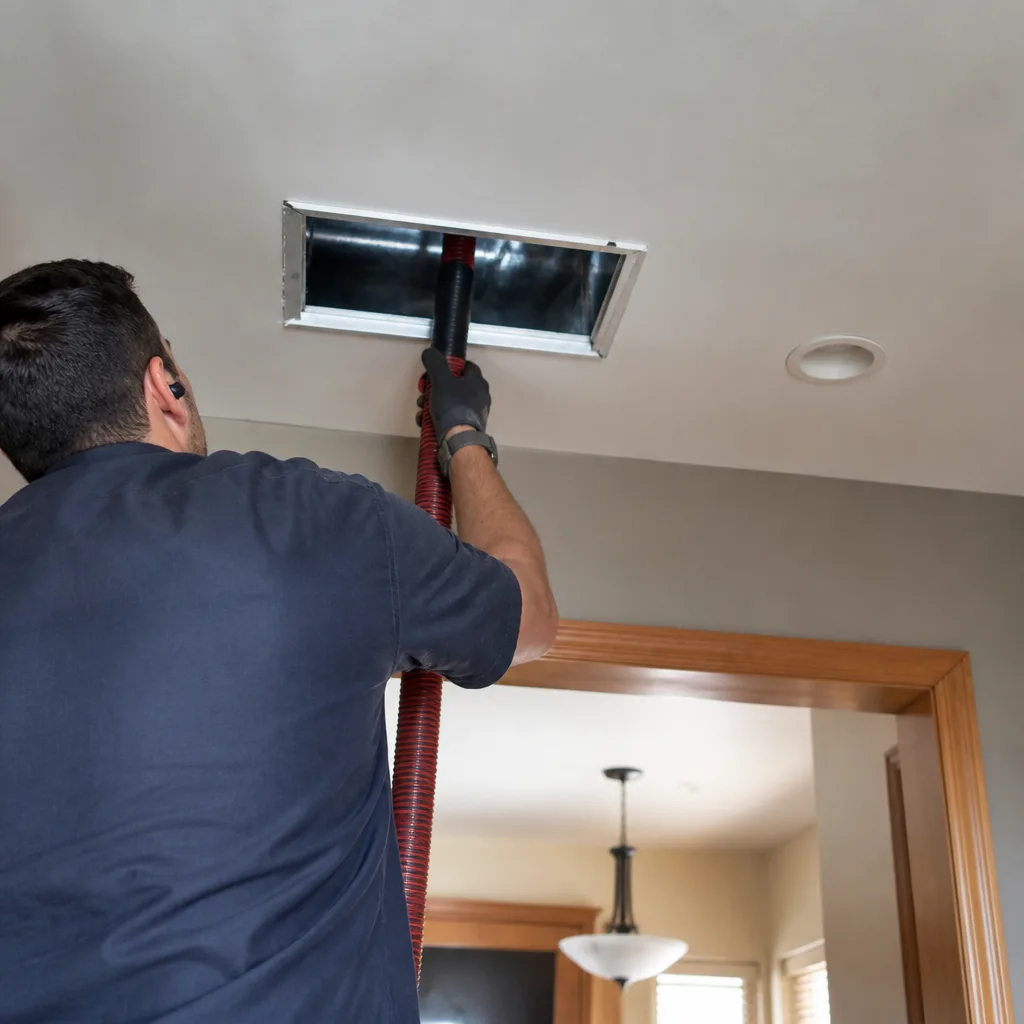
That "$99 whole-house special" is a bait ad - the real number appears once they are in your hallway, or the "clean" is a shop-vac at the register. We photograph the inside of your ducts before and after instead.
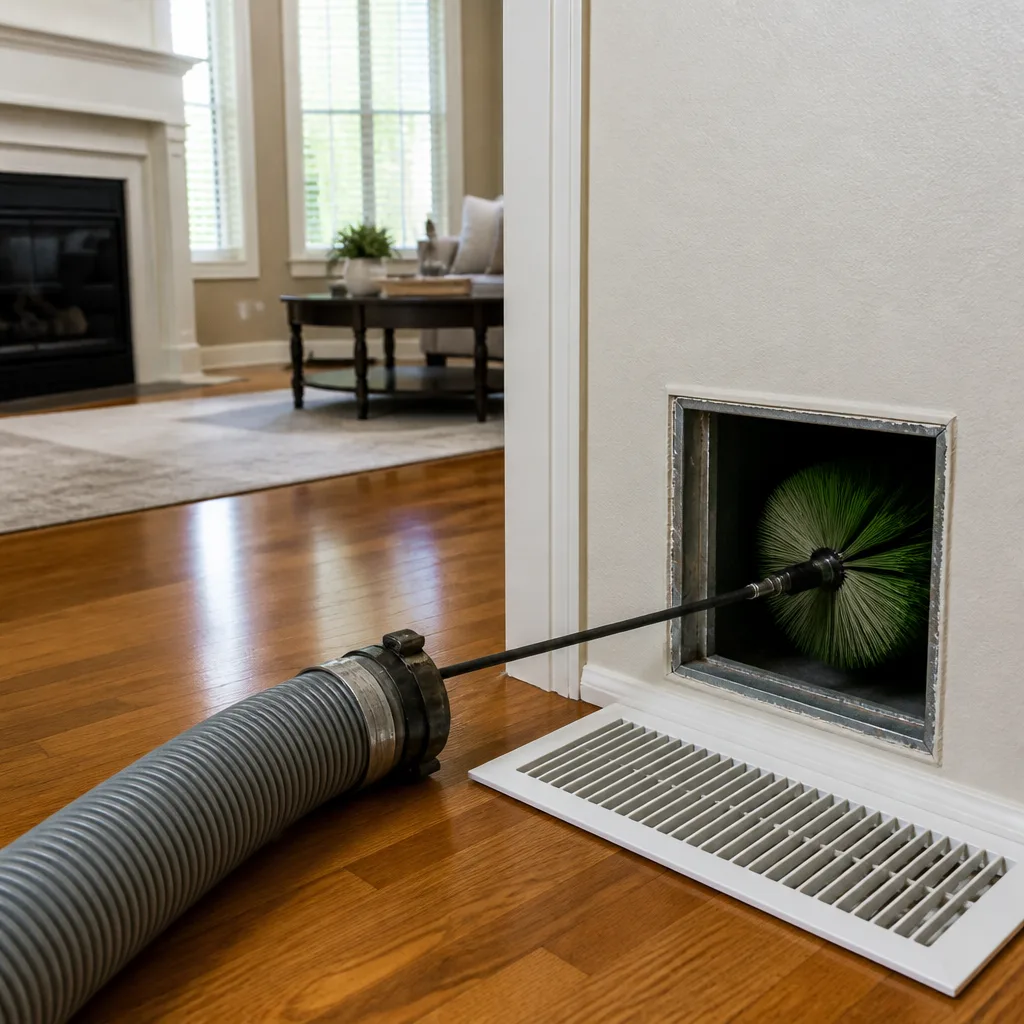
 Before
 After
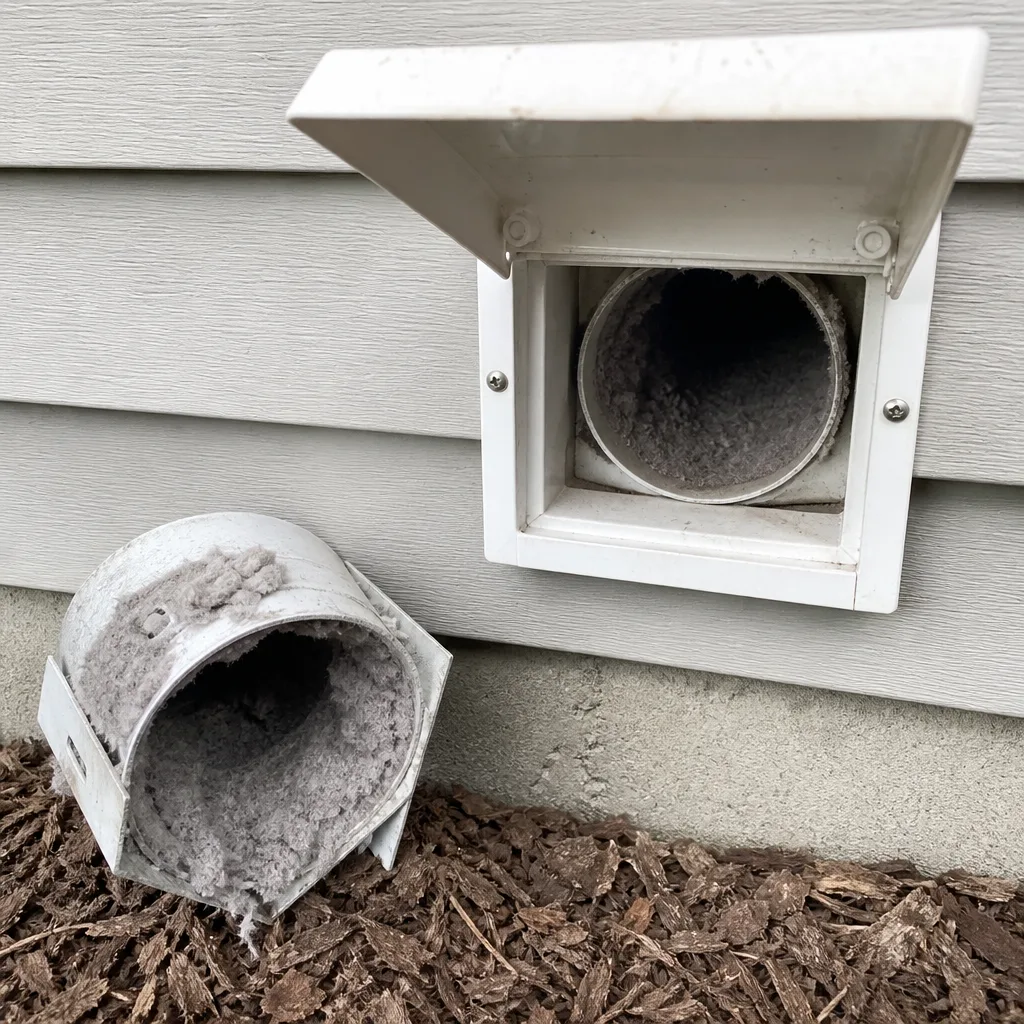
After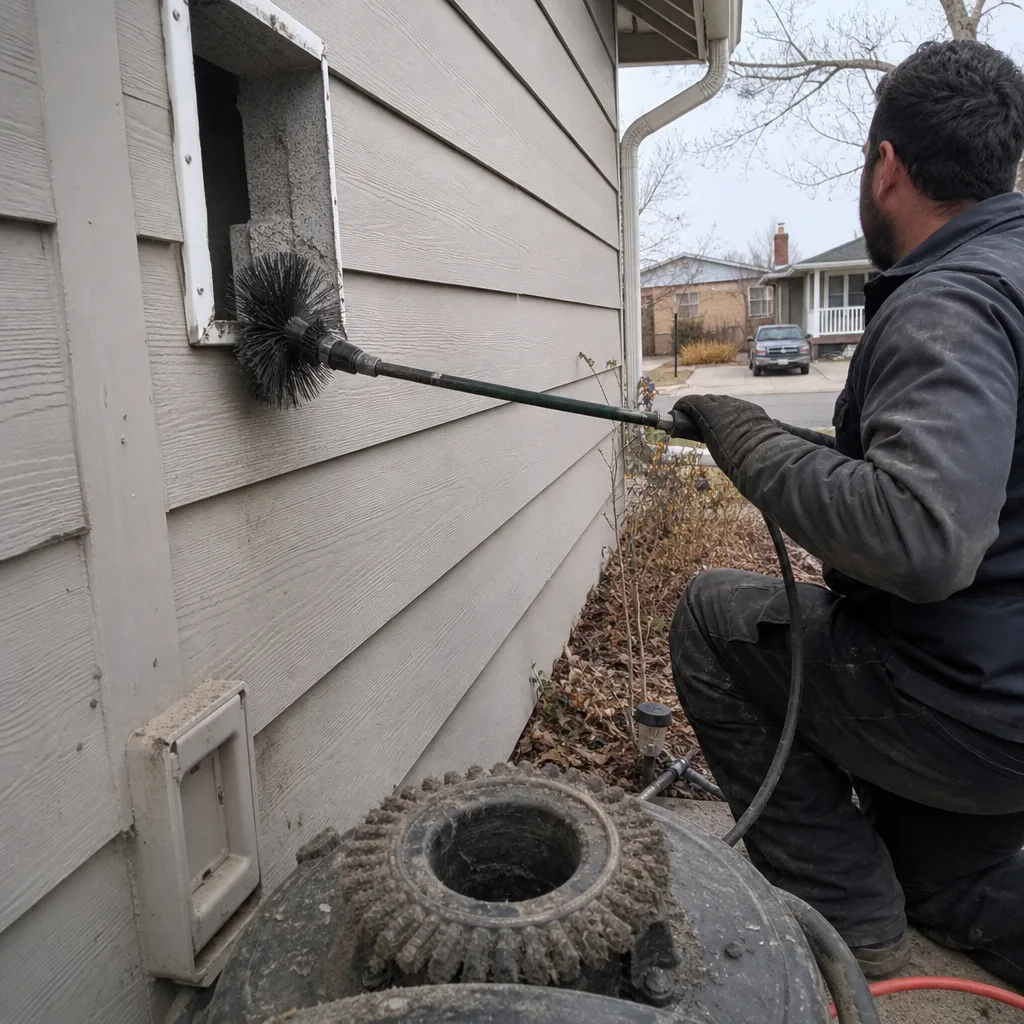 Before
 After
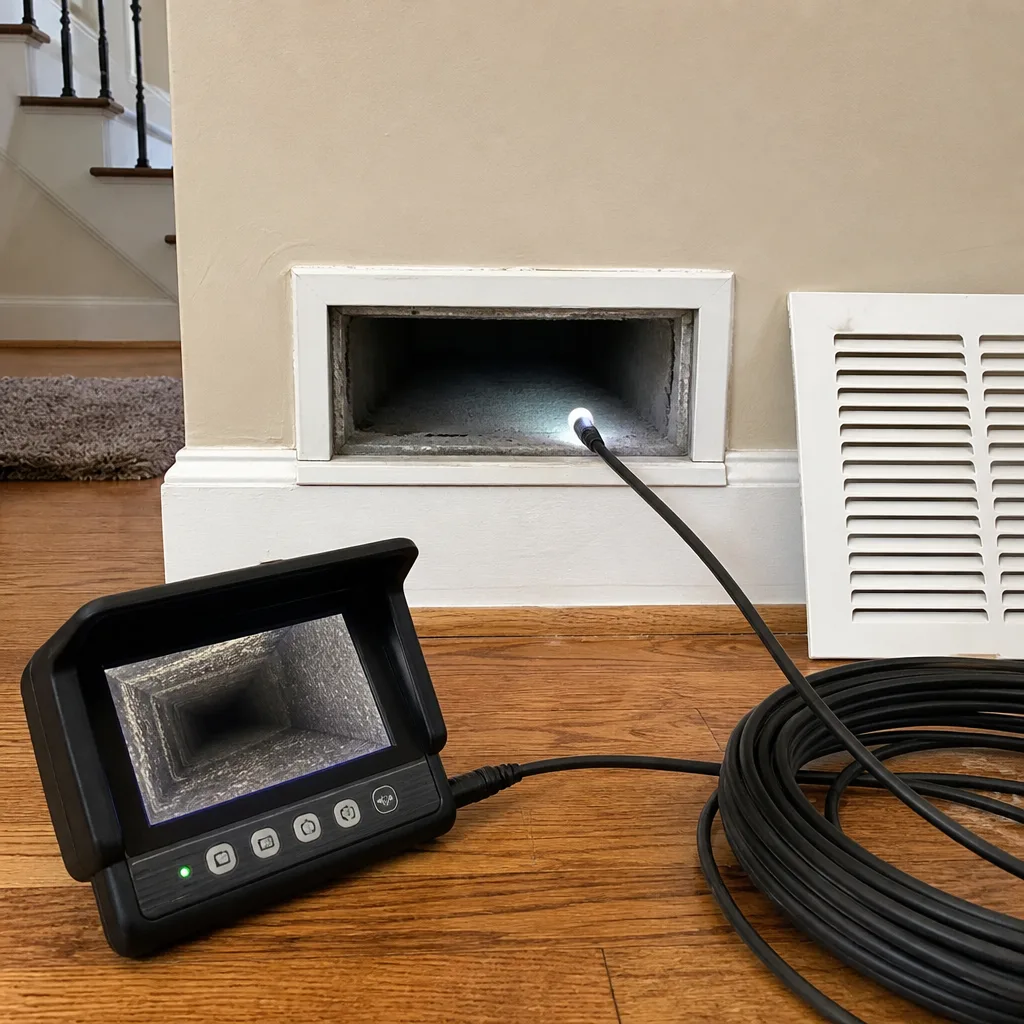
After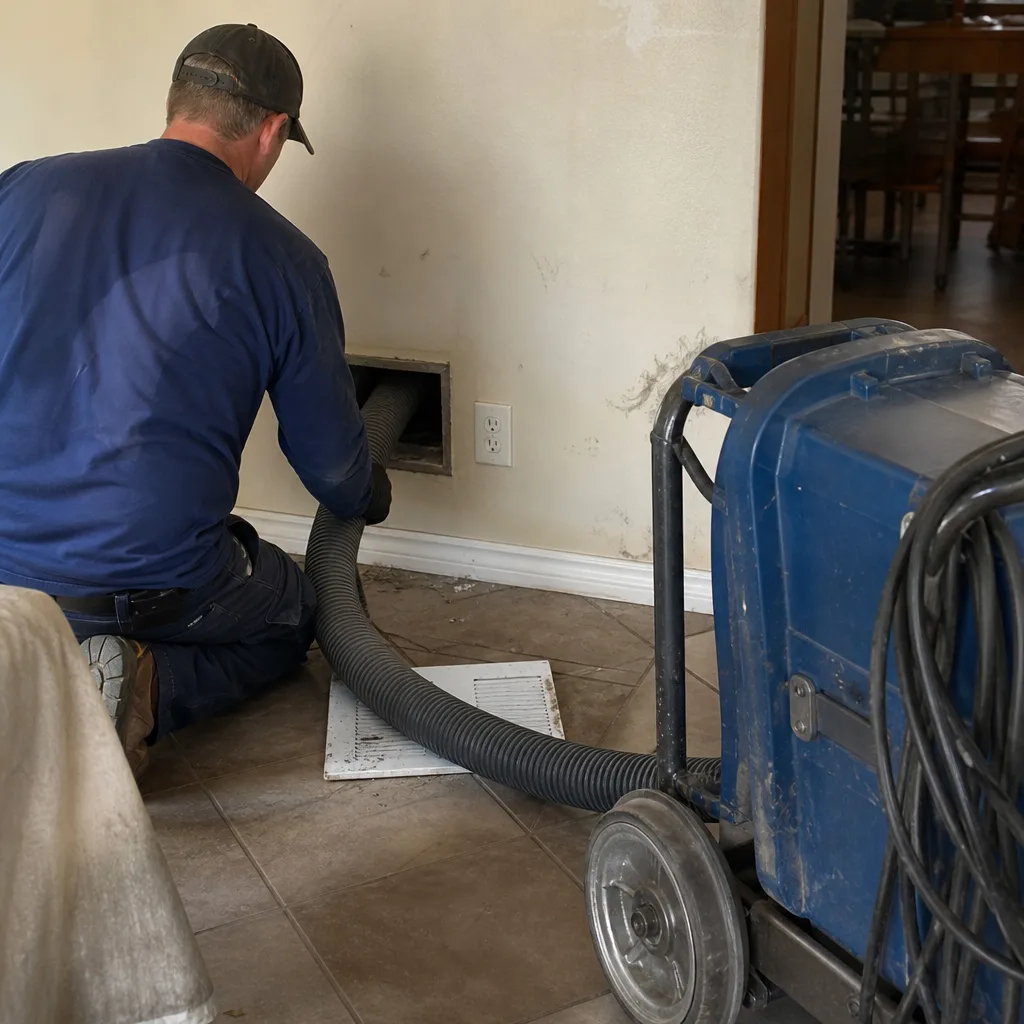 Before
 After
AfterFast, Reliable Dryer Vent Cleaning Across Denver
Dryer vent cleaning in Denver typically runs $140-$280 for a standard single-family vent run, with rural and foothills properties running $220-$380 due to longer ductwork and heavier debris loads. We’re CleanRun Duct Repair & Cleaning, and our Denver office coordinates crews across the metro and into the surrounding ranch country. Call us at (719) 259-4520 for a written price before any work starts.
We’ve been working Denver-area properties since 2013, from Capitol Hill bungalows to ranch spreads off Deer Creek Canyon Road. The vent systems we encounter here aren’t like what you’d find in Houston or Chicago. Denver’s dry air, wildfire smoke corridor, and the wood-heat culture in rural pockets create a specific debris profile that changes how often cleaning is needed and what tools the job demands.
Why CleanRun Air Duct Cleaning Parker Is Denver’s Preferred Dryer Vent Cleaning Company
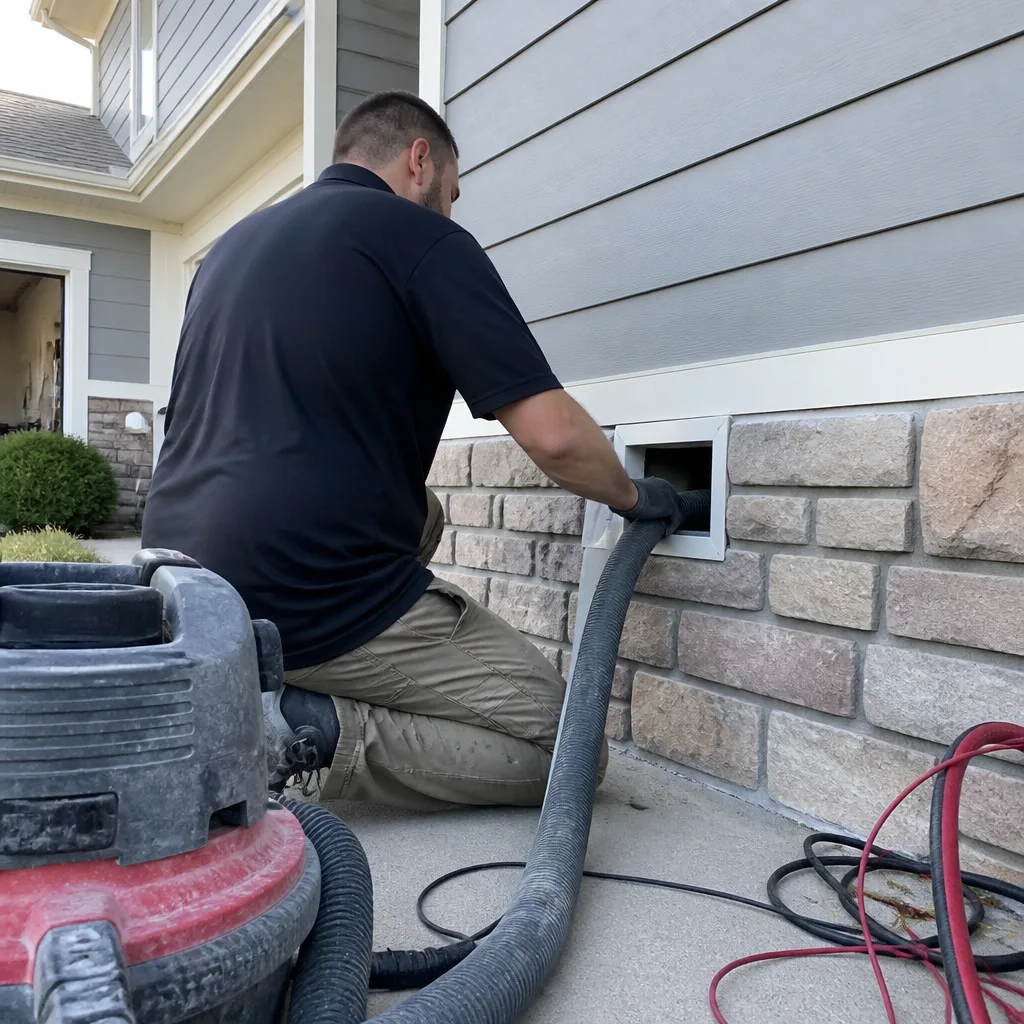
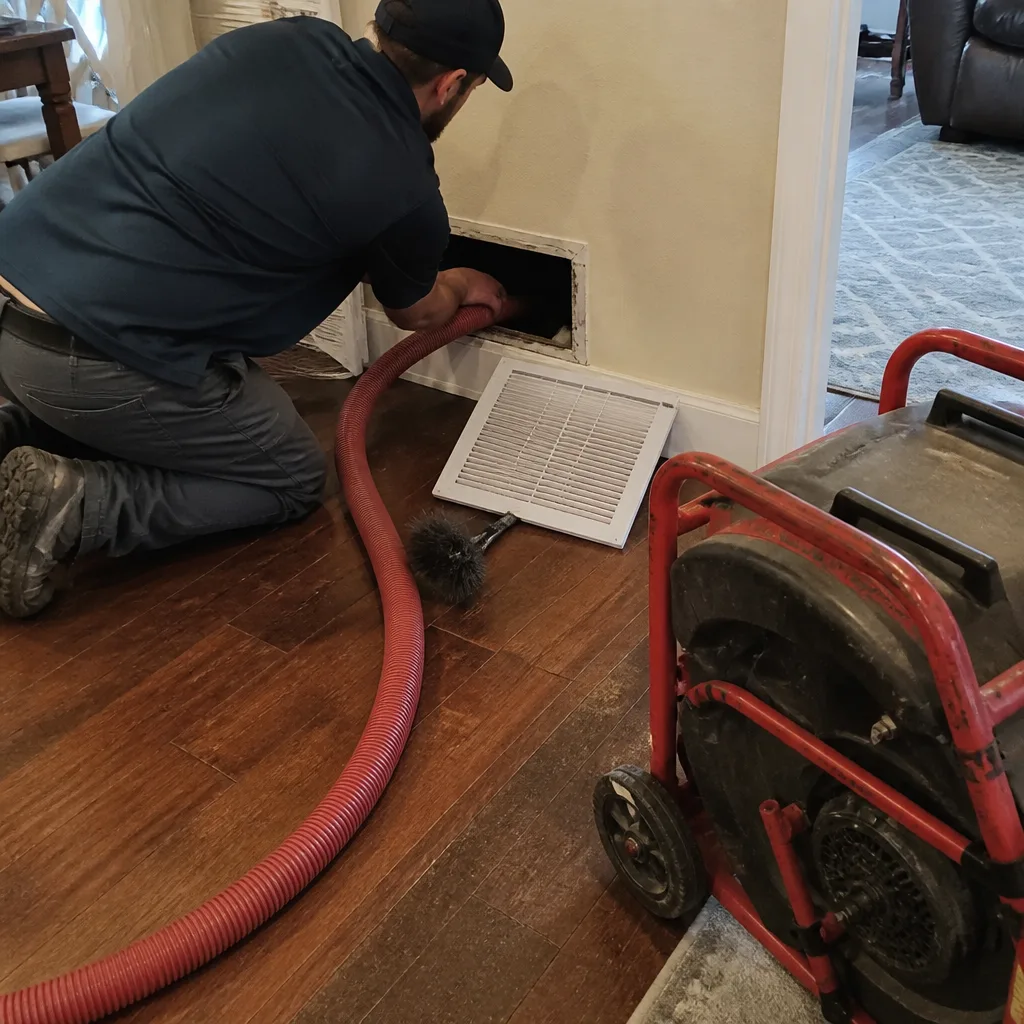
Our reputation in Denver is built on documentation, not promises. Every job starts with a written price under Haven Standard Clause 1, and every vent run is photographed before and after. Customers receive that photo record as a standard deliverable, not an upsell.
We’ve served more than 52,000 homes since 2013, and our Denver-area reviews consistently cite the same thing: the technician showed the photo, explained what was found, and stuck to the written number. No per-vent add-ons, no “we found something unexpected” mid-job pricing changes.
Dispatch and scheduling are coordinated from our Denver office, which means crews are routing from a central metro point rather than driving in from Colorado Springs or Fort Collins. For properties inside I-25 and the 470 belt, that typically means next-day or two-day scheduling. Rural properties in the foothills corridor may run three to five days depending on route density.
We know the local housing stock. In Harvey Park, Barnum, and Westwood, we’re working with 1960s ranch homes whose original vent runs were sized for the dryers of that era, not modern high-BTU machines that move more air and create more lint. In newer builds around Stapleton or the Highlands, we’re often finding builder-grade flexible duct that sags and traps debris at every low point. That local knowledge changes what we look for and what we bring to the job.
Our Dryer Vent Cleaning Services in Denver
Dryer Vent Inspection
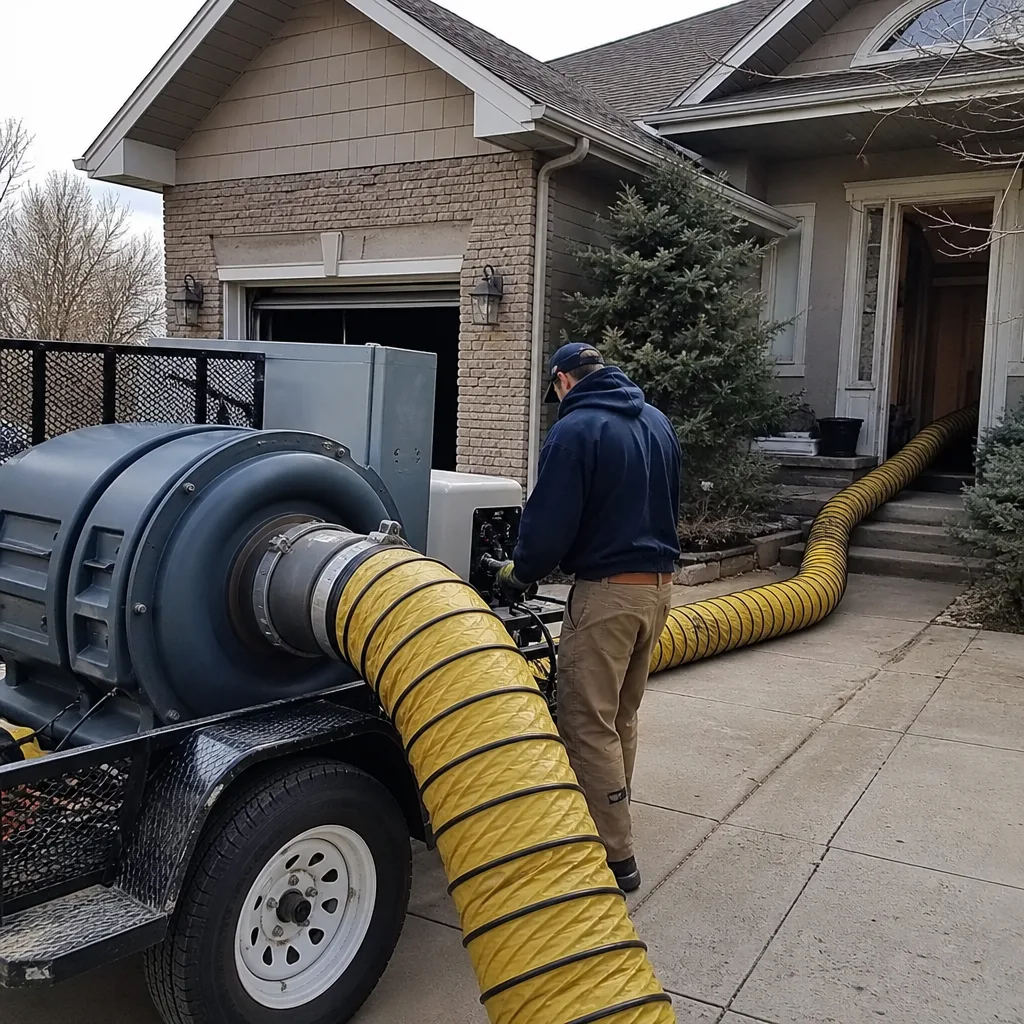
Every Denver job starts with a camera inspection of the full vent run, from the dryer connection to the exterior termination. In rural and foothills-adjacent properties around Denver, dryer vent runs frequently double as the exhaust path for wood-stove ash and fine dust from unpaved roads, so the lint that builds up is heavier and more abrasive than the near-pure fabric lint found in a standard suburban home. That’s why we often find vent caps clogged solid and airflow cut by half within a single heating season. Our inspection documents the debris type, the joint condition, and any code issues, all photographed and delivered to you as part of the standard job record.
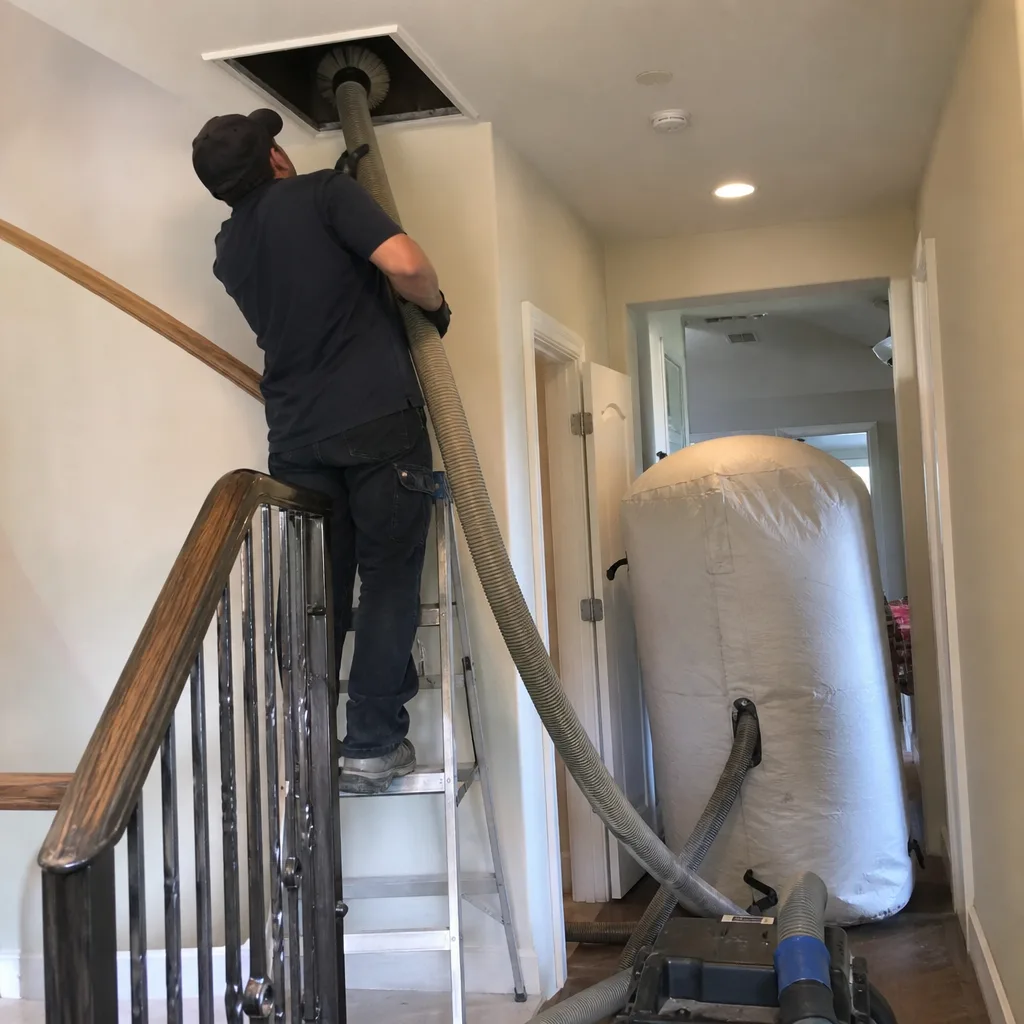
Vent Cleaning
We clean with professional-grade equipment from Nikro and Abatement Technologies, using negative-pressure extraction and rotary brush systems sized to the duct diameter. For Denver’s longer rural runs, we may deploy extended-reach assemblies or portable vacuums with higher static pressure. The work is photographed at multiple points so you can see the difference between the packed debris we encountered and the clean metal we left behind. Haven Standard Clause 1 applies: the written price covers the full scope, no per-foot or per-joint add-ons.
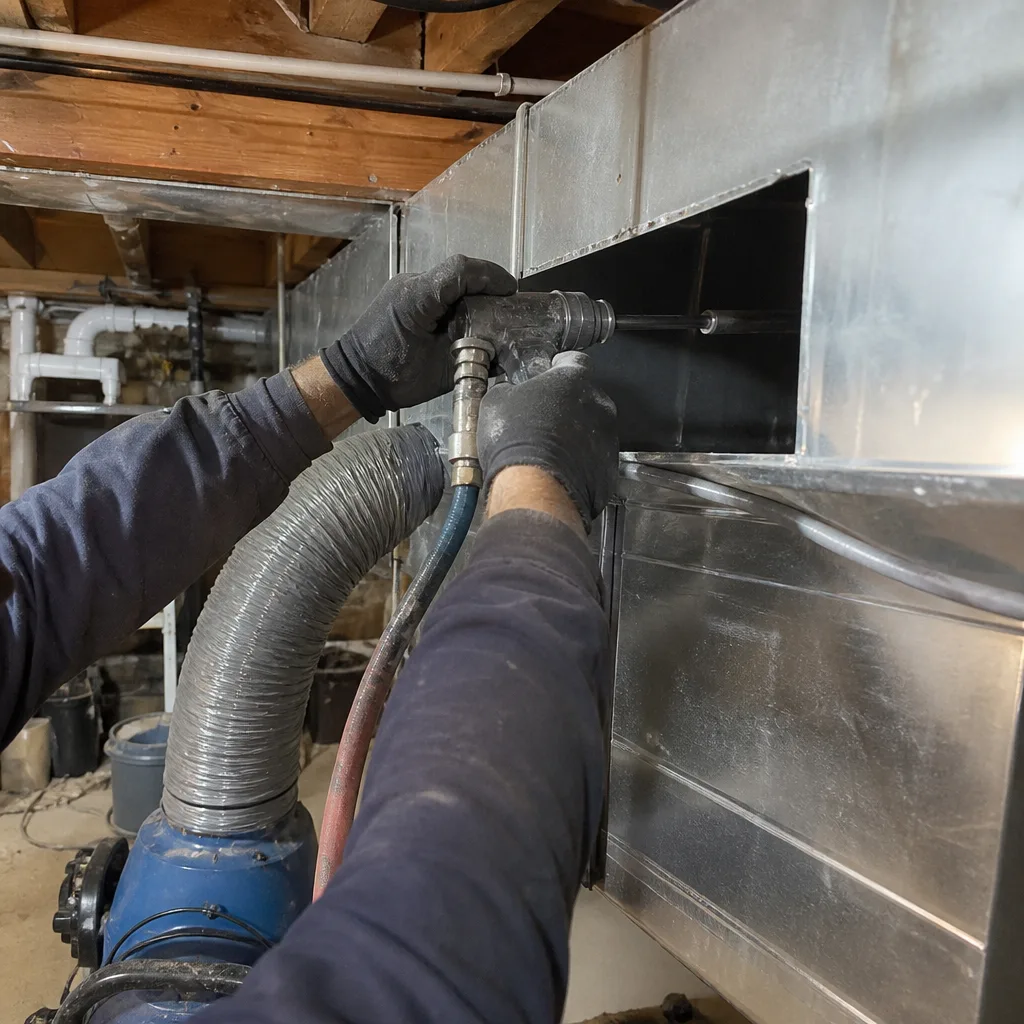
Lint Removal
Lint in Denver isn’t just lint. The fine particulate load from wildfire smoke, the brown-cloud inversion events that trap vehicle exhaust over the metro, and the mineral dust from unpaved roads all bond to fabric lint in the vent run, creating a denser, more fire-prone accumulation. We recently ran a camera inspection on a long, outbuilding-fed dryer vent line at a property off Deer Creek Canyon Road near Littleton, where the homeowner burns wood and lives on a gravel lane. Our tech pulled nearly two gallons of packed lint, ash, and road dust from the run, then installed a bird guard and a new vent cap after confirming the termination was crushed. Post-cleaning airflow at the register jumped from barely one-third to full, and the homeowner avoided the exact failure that causes most dryer fires: lint backing up to the heating element.
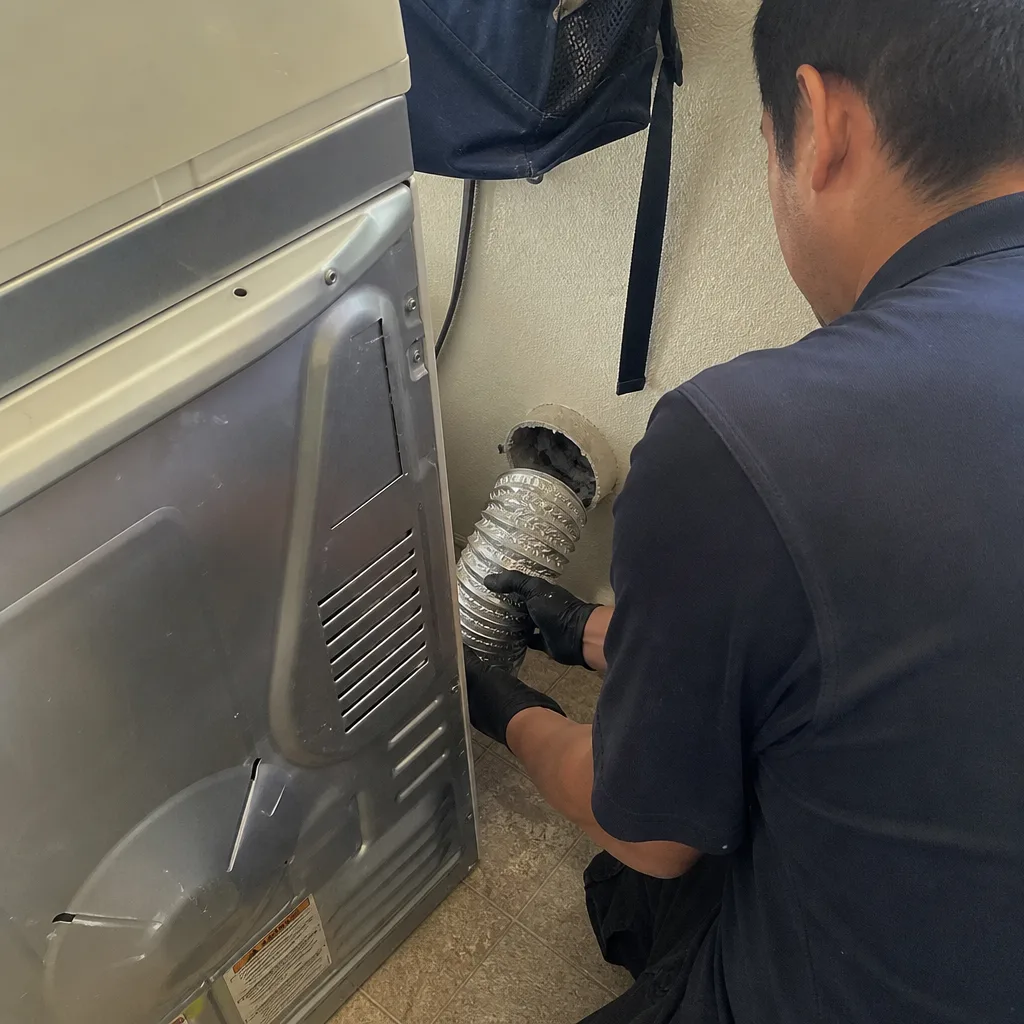
Vent Rerouting
Some Denver properties, especially those with outbuilding conversions or additions, have dryer vent runs that were rerouted with flexible duct or in-line boosters added as afterthoughts. These retrofit runs often violate code and trap debris that standard cleaning cannot reach. We evaluate whether rerouting to a shorter, straighter path with rigid metal duct is the right long-term solution, and we quote that work in writing if it’s needed.
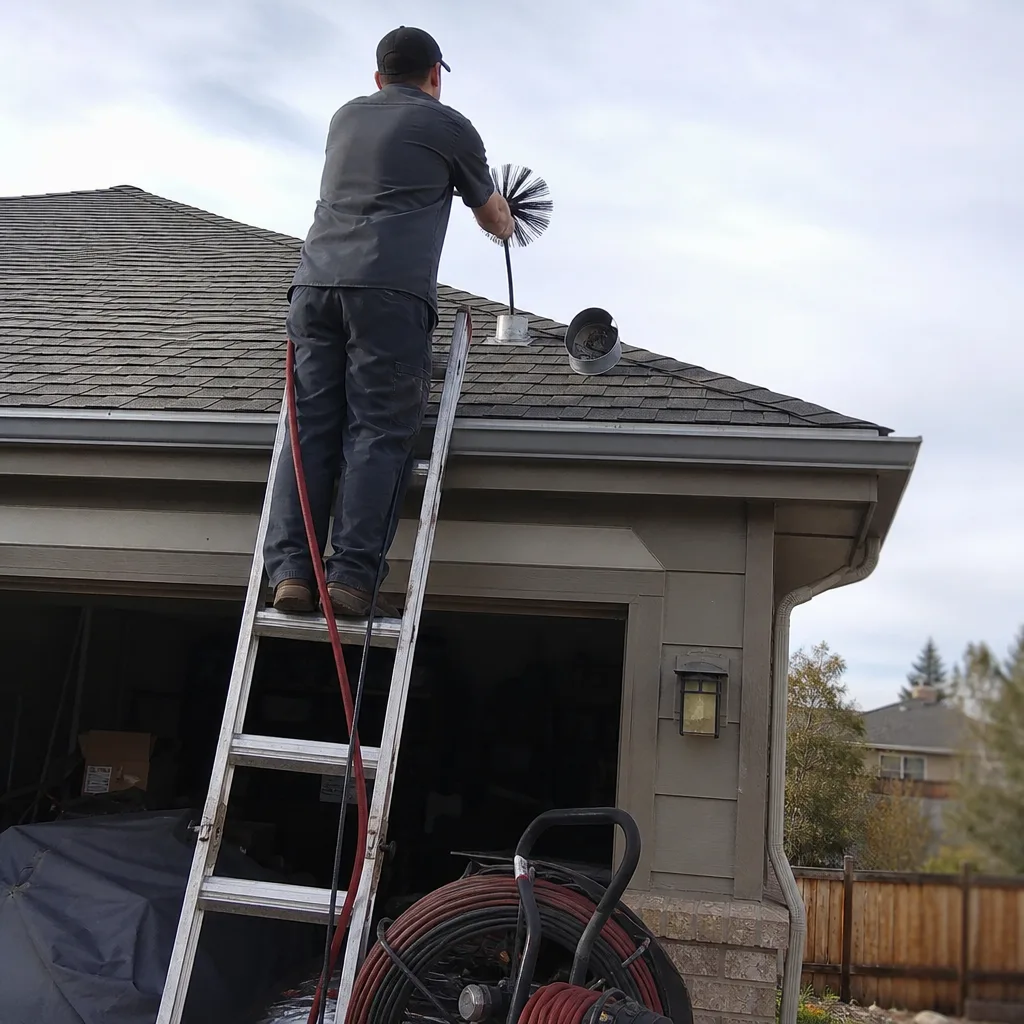
Bird Guard Installation
Denver’s mix of urban wildlife and rural open space means bird nesting in vent terminations is common, from magpies in the city to swallows in the foothills. A proper bird guard with the correct mesh size prevents nesting without restricting airflow. We stock guards from Guardsman and Honeywell sized to Denver’s common vent diameters, and we install them with a written warranty under the 365-Day Done Right Promise.
Vent Cap Replacement
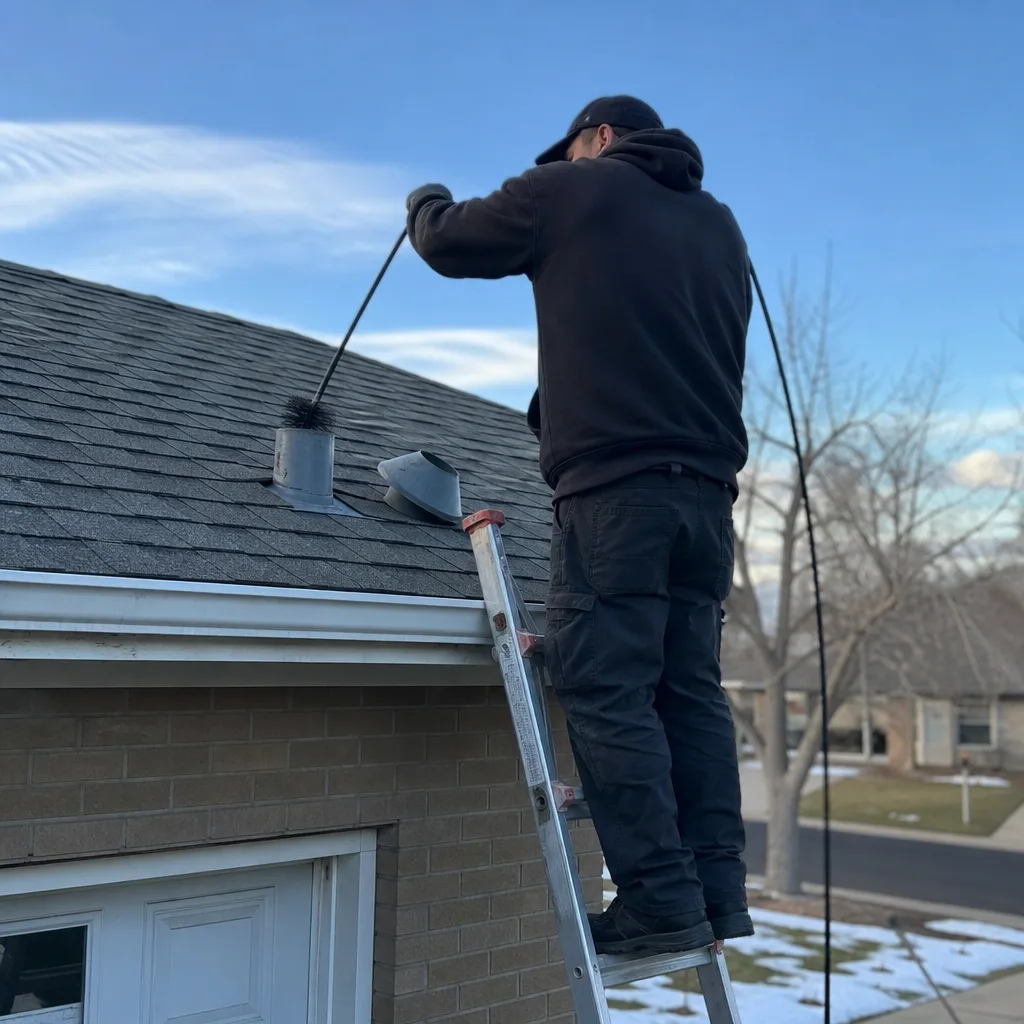
Crushed, corroded, or improperly screened caps are a constant find in Denver. The freeze-thaw cycle at 5,280 feet degrades plastic caps faster than at lower elevations, and the wind off the Front Range can deform lightweight metal terminations. We replace with code-compliant caps rated for Colorado’s climate, photographed before and after.
What happens when you call
- 1
A real person answersNo phone trees - you reach a local pro.
- 2
You get an upfront price rangeHonest numbers before anyone is dispatched.
- 3
A background-checked tech heads outLicensed & insured, dispatched right away.
- 4
You approve before work beginsNothing starts until you say go.
BeforeAfterTrusted Brands We Service in Denver
Our equipment roster includes Nikro, Honeywell, and Abatement Technologies, brands any homeowner can look up and verify. We stock common vent caps, bird guards, and transition fittings at our Denver office, which means most replacements happen same-visit without a return trip. For specialized components on older Denver homes, we source through local HVAC suppliers rather than ordering blind online, so the fit and finish are right the first time.
Common Dryer Vent Cleaning Problems We See in Denver Homes
- Longer, winding runs on rural properties. Ignoring the longer, winding dryer vent runs common on rural Denver-area properties is a mistake. Lint settles at every joint and elbow faster than in a straight suburban wall run. A run with three elbows moves roughly half the air of a straight run, and the lint deposits accordingly.
- Clogged vent caps and hidden bird nests. Clogged vent caps and bird-nesting on the outside termination are problems ranchers and rural homeowners often can’t see from the ground. The nest silently chokes the entire lint pathway until the dryer overheats or the thermal fuse blows.
- Retrofit boosters and flexible duct from outbuilding conversions. Assuming an in-line dryer vent booster or rerouted flexible duct added during an outbuilding conversion is code-compliant and clean is risky. Those retrofit runs trap ash and dust that standard vacuuming cannot reach, and the boosters themselves become lint collection points.
- Wildfire smoke and brown-cloud particulate bonded to lint. Denver’s documented winter inversions and summer wildfire smoke events introduce fine combustion particulates that bond with lint, creating a denser, more obstructive accumulation than lint alone. After the December 2021 Marshall Fire blanketed the entire metro in ash, we saw a regional spike in vent blockages that plains cities simply don’t experience.
Pricing for Dryer Vent Cleaning in Denver, CO
| Service | Typical Range in Denver |
|---|---|
| Standard single-family vent cleaning (straight run, 1-2 elbows) | $140-$200 |
| Complex or extended run (3+ elbows, rooftop termination, long horizontal) | $180-$280 |
| Rural/foothills property with heavy debris load | $220-$380 |
| Bird guard or vent cap replacement (installed) | $85-$160 |
| Vent rerouting with rigid metal duct | $340-$620 |
What moves a job up or down within these ranges: the number of elbows and transitions, the termination height and access difficulty, whether the run has been professionally cleaned before, and the debris type we find on inspection. Heavy ash-and-dust loads from wood heat and unpaved roads take longer to extract fully. Every price is written and agreed before work begins, under Haven Standard Clause 1. Call (719) 259-4520 for an exact quote on your specific vent run, estimates are free.
We Also Serve Cities Near Denver
Our Denver crews regularly work in Aurora, Englewood, Littleton, and Lone Tree. If you’re in these areas, the same written pricing, photo documentation, and 365-Day Done Right Promise apply. Rural properties in the broader foothills corridor may schedule through our Denver office with route timing adjusted for distance.
Serving Denver, CO - Our Local Coverage Area
We’re based in the Denver area and know this community well. Use the map below to see our service coverage - if you’re nearby, we can almost certainly help.
FAQs - Dryer Vent Cleaning in Denver
Every 6 to 12 months, not the 2-3 year interval standard for suburban homes. The combination of wood-stove ash, unpaved road dust, and wildfire particulates creates a heavier debris load that accumulates faster. If you burn wood for heat or live on a gravel lane, lean toward 6 months. Call (719) 259-4520 and we’ll put a specific interval in writing based on your vent run length and usage.
Clothes taking more than one cycle to dry, a noticeable drop in airflow at the exterior vent cap, and the dryer cabinet feeling hotter than usual mid-cycle. In Denver’s dry climate, you may also smell wood smoke or dust in the laundry room if the vent is backing up. If you see any of these, the vent is the likely culprit, not the heating element. We offer a free inspection to confirm.
Yes. Longer runs with heavier debris loads require higher-static-pressure vacuums and extended-reach rotary assemblies. Our Nikro and Abatement Technologies equipment is specified for these conditions, and our technicians are trained to recognize when a standard suburban cleaning approach won’t clear the run. The photo record shows you what was removed and what the airflow looks like after.
A bird guard fixes bird nesting, which is one common clogging cause in Denver, but it won’t solve lint accumulation from heavy use or poor duct design. If your vent clogs repeatedly, we inspect for the root cause, whether that’s duct geometry, an undersized run, or debris type. The guard is installed only after we’ve confirmed the underlying issue is addressed.
Indirectly, yes. Wildfire smoke and inversion-trapped pollutants introduce fine particulates that bond with lint in the vent run, creating denser blockages. They don’t change the vent’s function, but they do accelerate how fast it becomes obstructed. After major smoke events like the 2021 Marshall Fire, we recommend an inspection even if the vent was cleaned recently. Call (719) 259-4520 to schedule.
Ready for a written price and a documented cleaning? Call CleanRun Duct Repair & Cleaning at (719) 259-4520. Our Denver office will schedule your inspection, deliver a fixed quote before any work begins, and leave you with before-and-after photos of every vent run we touch, backed by our 365-Day Done Right Promise.
Written by Tomas Reyes, Owner at CleanRun Duct Repair & Cleaning, serving Denver since 2013.