
Whole-system duct and dryer vent check with before-and-after photos - you see exactly what came out of your vents
That "$99 whole-house special" is a bait ad - the real number appears once they are in your hallway, or the "clean" is a shop-vac at the register. We photograph the inside of your ducts before and after instead.
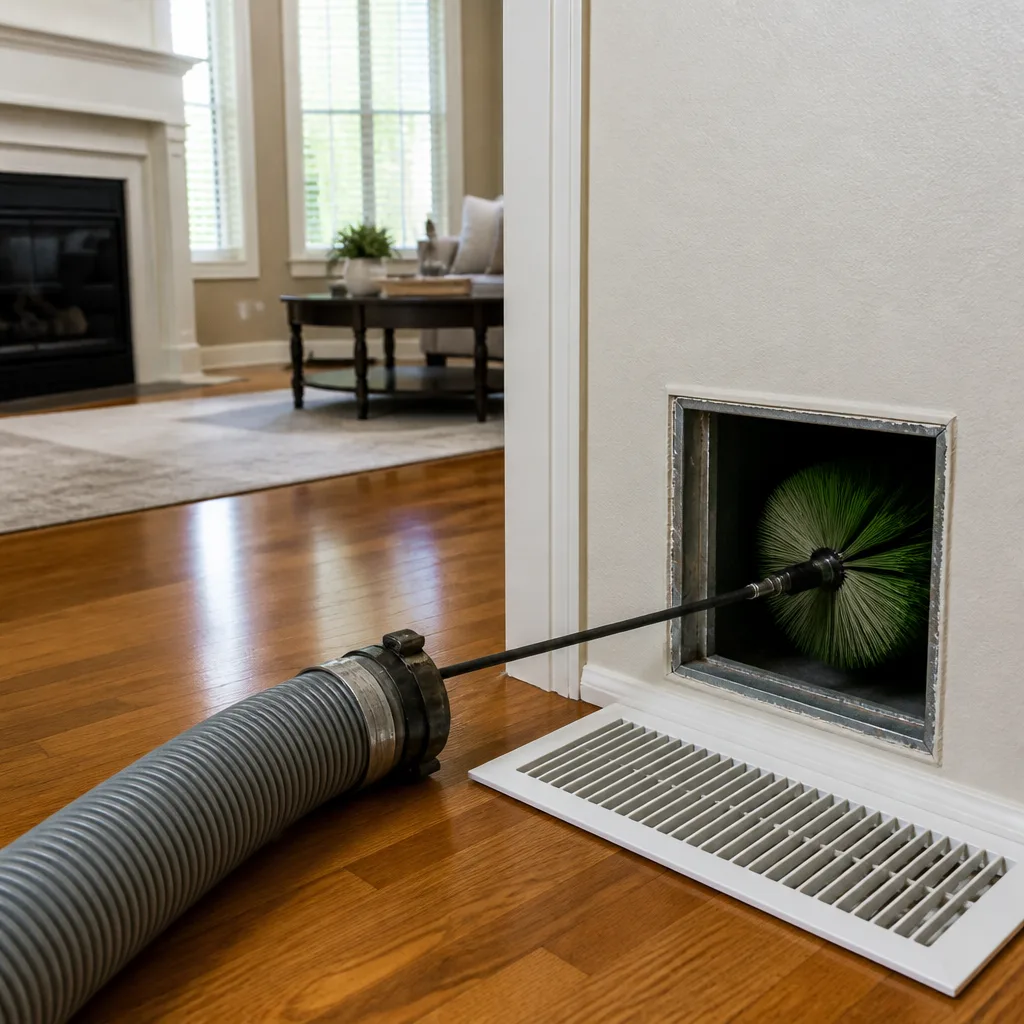
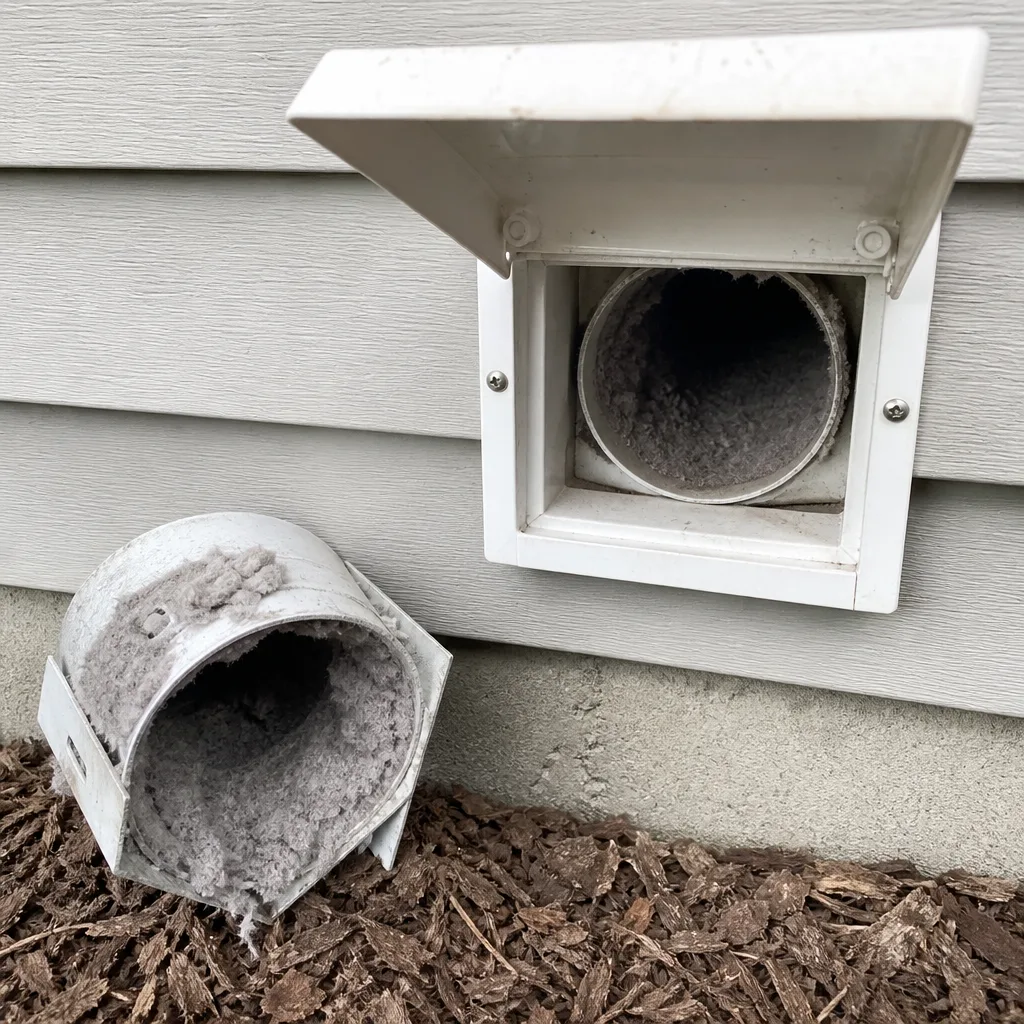
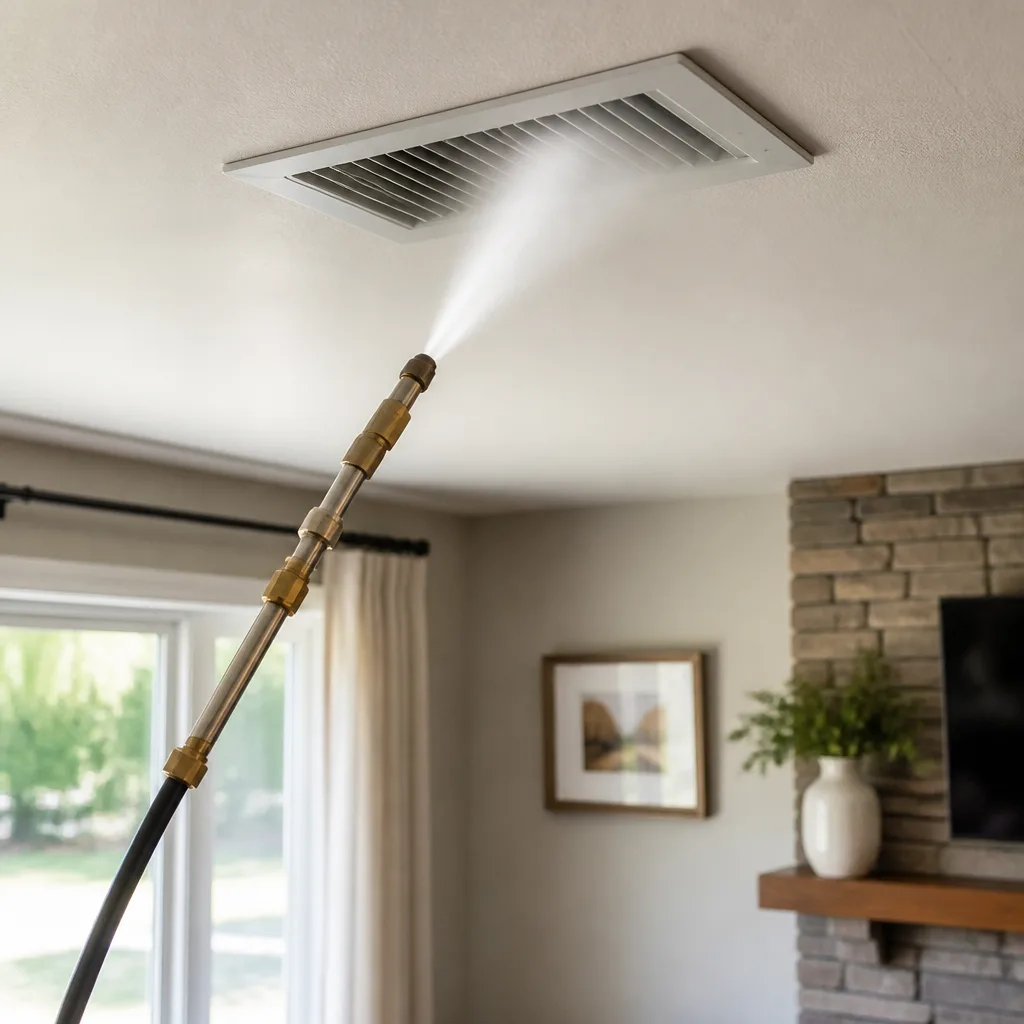
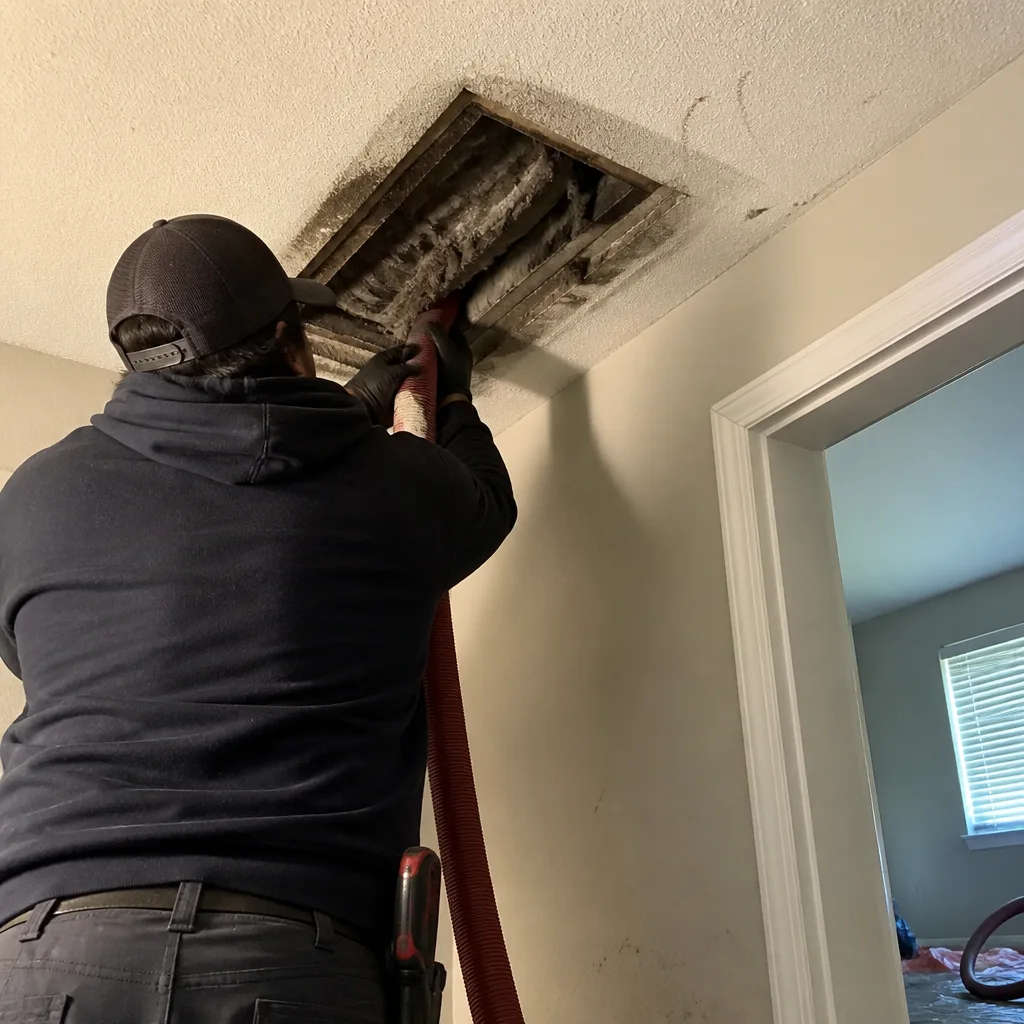 Before
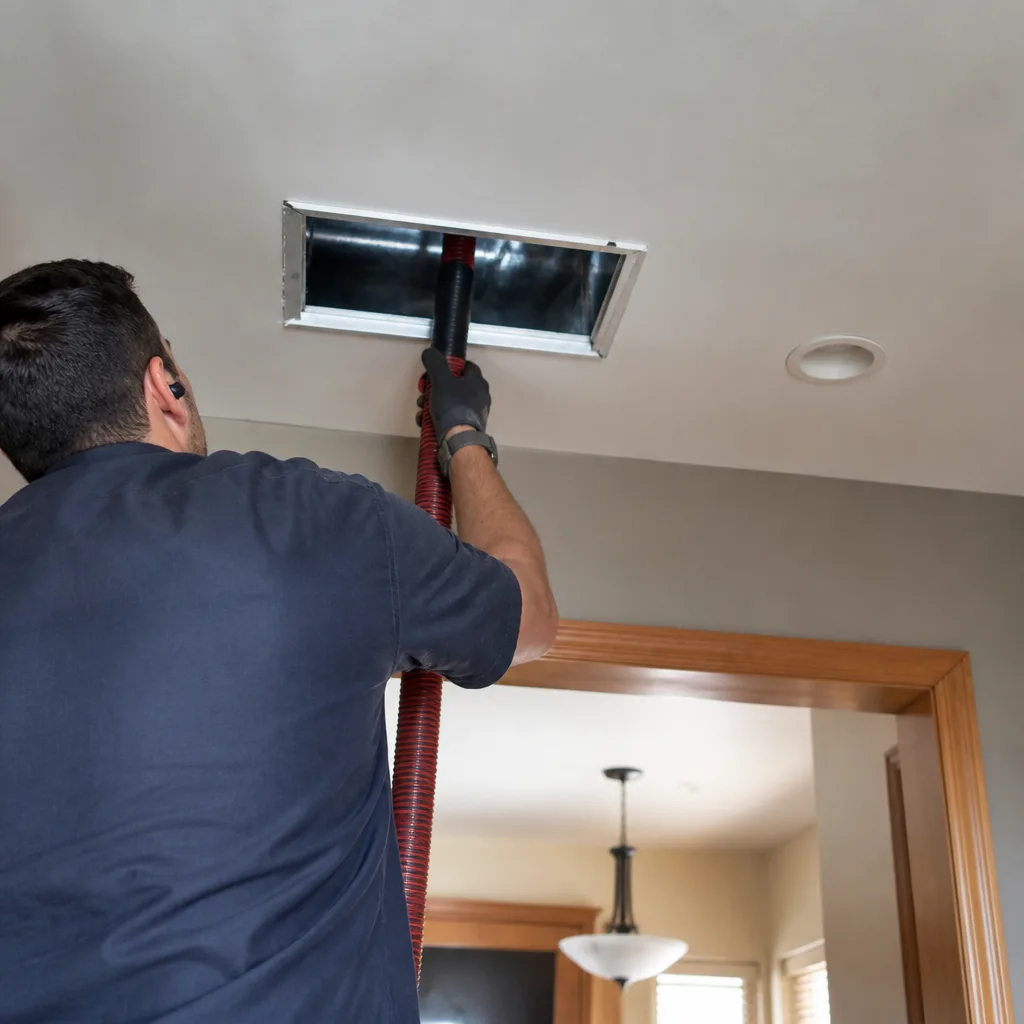 After
After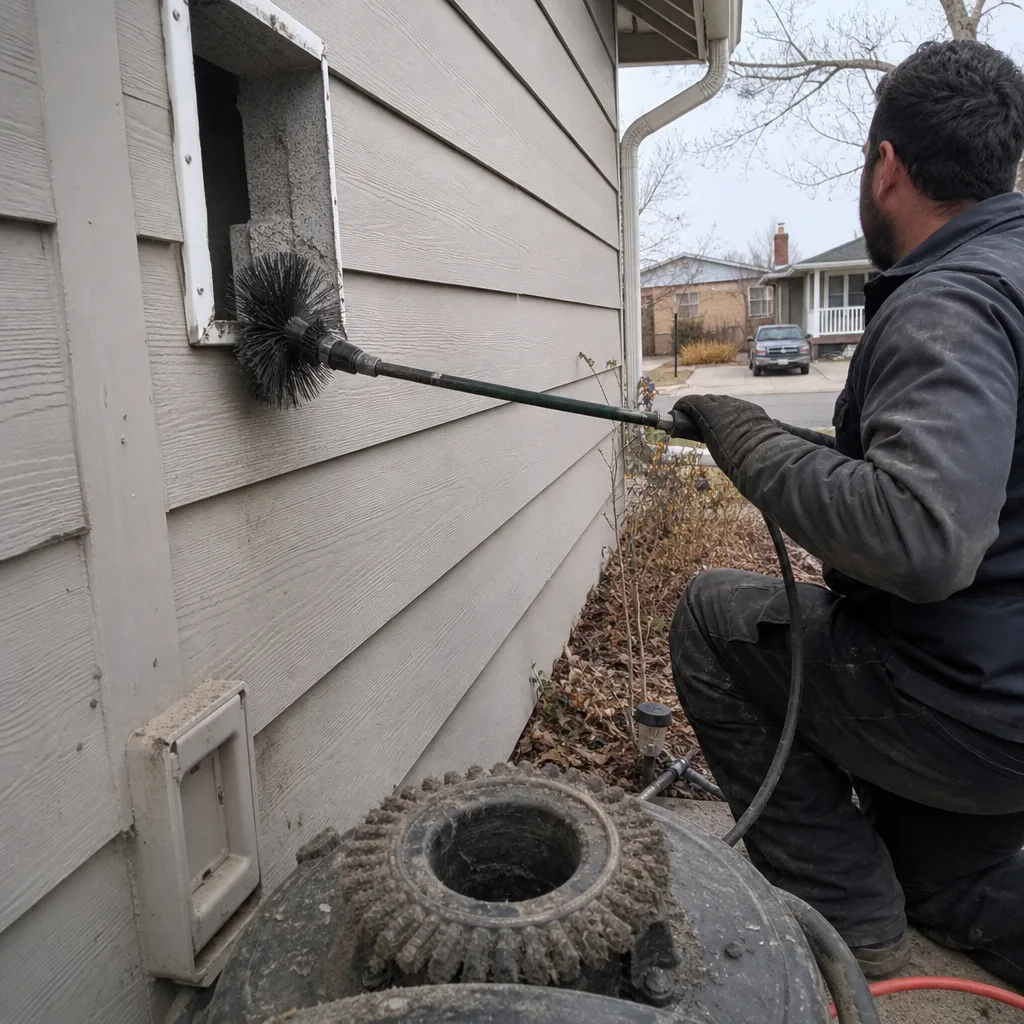 Before
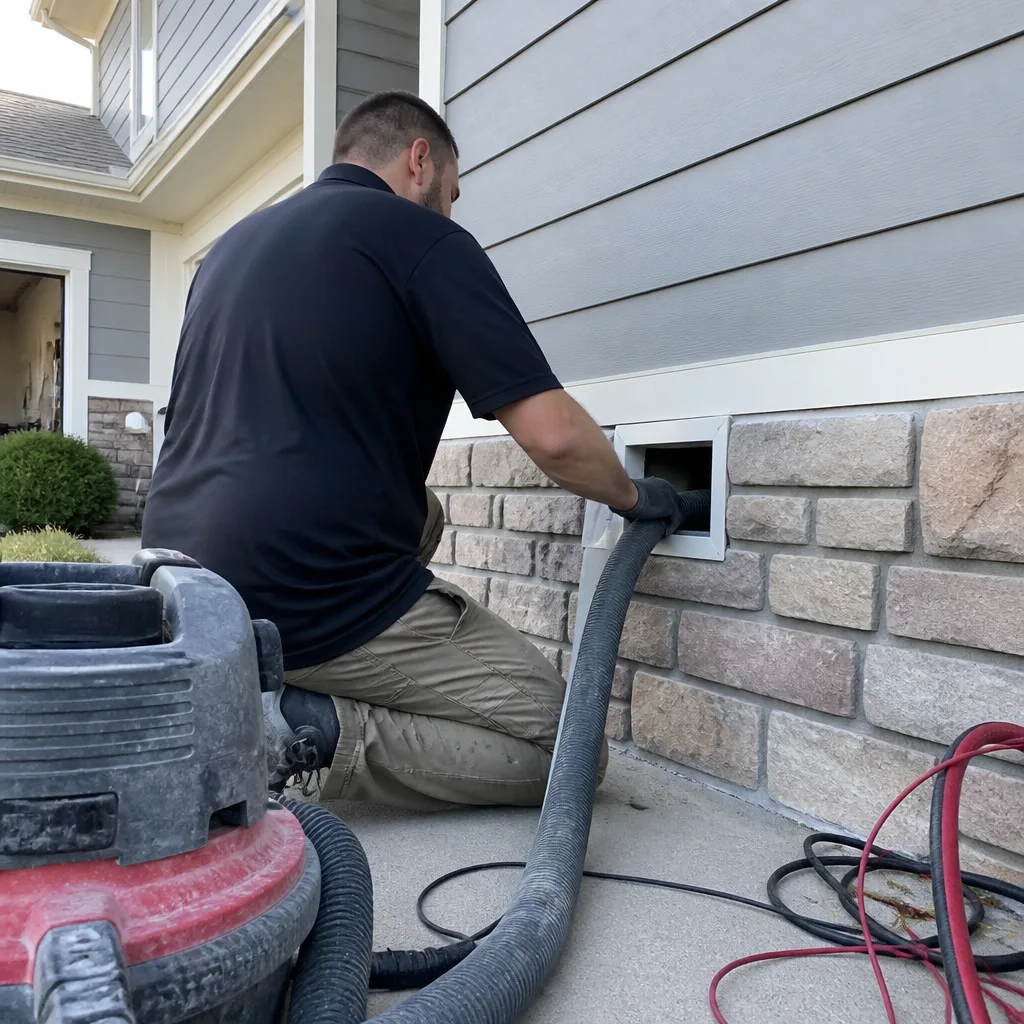 After
After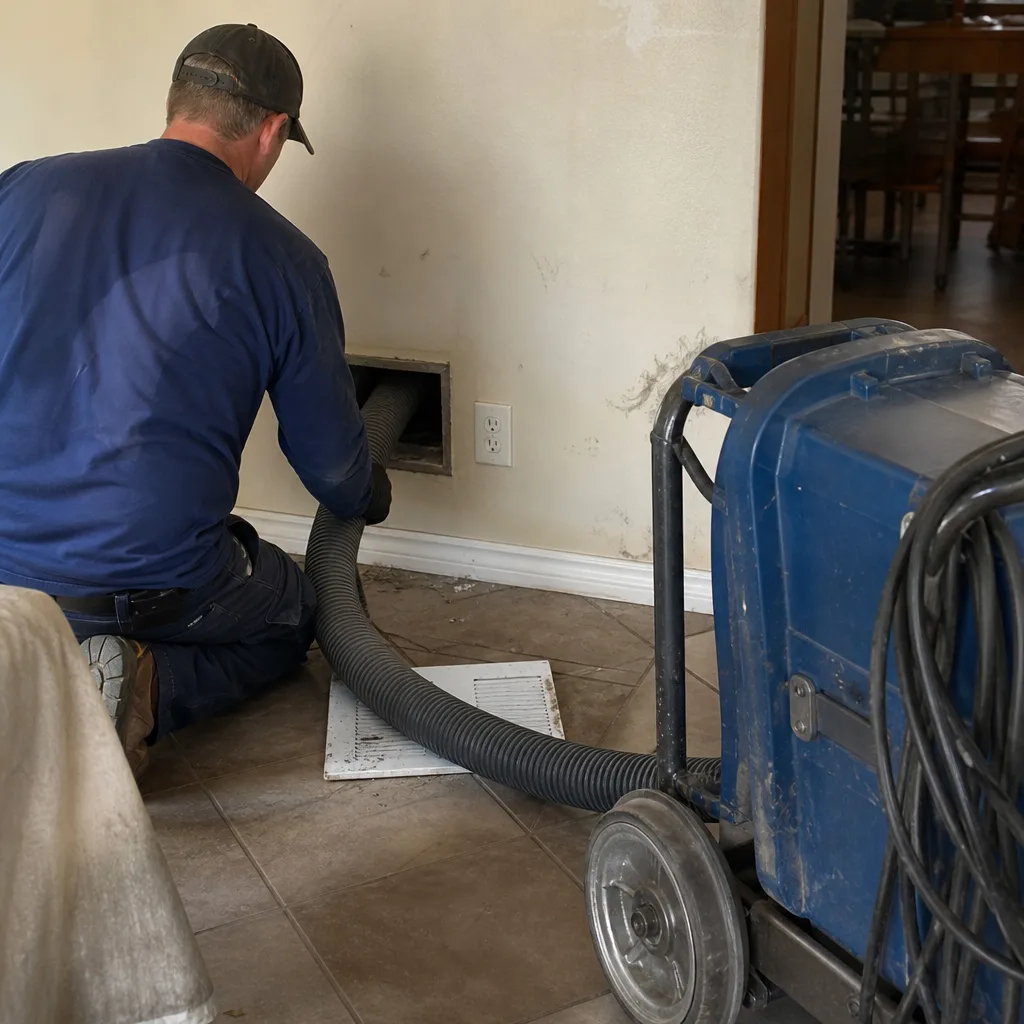 Before
 After
AfterHoneywell Register & Grille Cleaning: The Parker Owner’s Guide
CleanRun stocks and installs Honeywell-compatible register and grille cleaning services for Parker homes, with typical whole-system pricing from $380 to $620 depending on home size and duct configuration. Most residential jobs are scheduled within 48 hours and completed in a single visit. Homeowners usually discover the issue when rooms stop heating or cooling evenly, or when they remove a vent cover and find the grille vanes stuck with debris that a vacuum hose won’t touch.
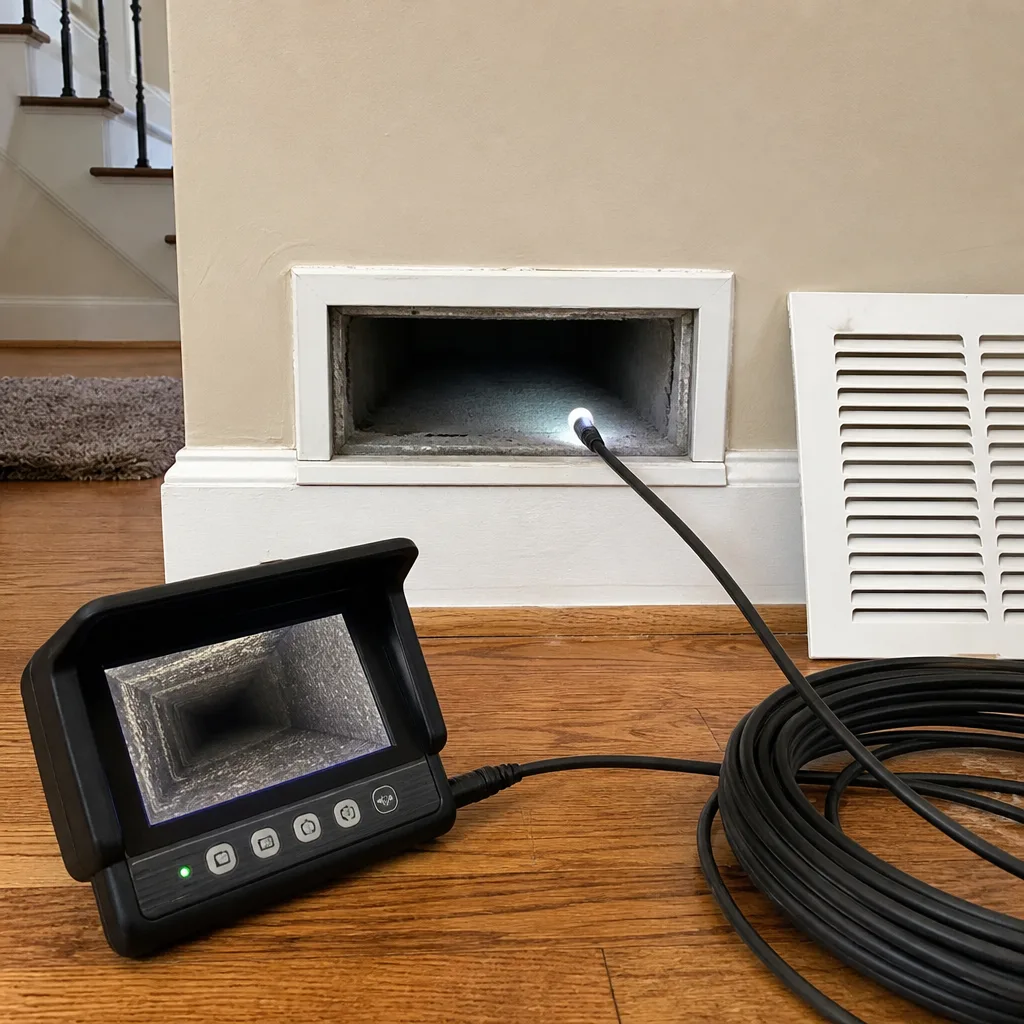
We see this pattern often in Parker, especially in homes built between 2015 and 2022 where Honeywell registers were spec’d by the original HVAC contractor. The grilles look fine from the living room, but the back side tells a different story once the camera goes in. Tomas Reyes, our owner, still pulls the inspection camera first on every job - it’s how he was trained, and it’s why we don’t guess at what needs doing.
Which Honeywell Models This Applies To
Honeywell’s residential register and grille lines break into three main series you’re likely to find in Parker homes: the traditional fixed-blade H Series, the adjustable deflection A Series, and the newer low-profile L Series common in builds after 2019. The H Series uses a 2.75-inch collar depth and mounts with standard Phillips screws at 2.5-inch centers. The A Series adds the adjustable vane mechanism that jams first when debris packs the throat. The L Series sits nearly flush to the floor or wall but has a narrower 2.25-inch collar that can be tricky to seal properly during cleaning if the original installer didn’t leave working room.
To identify yours, look for the stamped model prefix on the back flange of the grille - usually visible with a flashlight without full removal. H Series carry an “HRV-” prefix, A Series “ARV-“, L Series “LRV-“. If the stamp is painted over, measure collar depth and screw spacing; we carry adapters for all three. OEM Honeywell grilles run 30-40% above quality aftermarket equivalents from Guardsman, which we also stock. For most Parker homeowners, the aftermarket unit matches the pressure drop spec and carries the same 10-year material warranty. We stock Guardsman equivalents on the truck for all three series and will show you both options with the price difference in writing before work starts, per Haven Standard Clause 1.
Signs Your Honeywell Register & Grille Cleaning Is Failing
- Uneven airflow between rooms. The adjustable vanes on A Series grilles seize when dust combines with the lubricant Honeywell uses at the factory. One room runs hot while the next runs cold, and the homeowner has already checked the dampers at the plenum without finding the real blockage at the terminal end.
- Visible debris packed behind the grille face. Remove the cover and shine a light down the throat. If you see a mat of fiber and dust bridging across the opening, the grille has been acting as a filter instead of a diffuser. In Parker, we find cottonwood seed and drywall compound in this layer - particularly in homes near Fox Run Preserve Park where the spring seed load is heavy.
- Rattling or whistling that changes with system cycles. The grille frame loosens in the drywall or subfloor cutout as debris accumulation changes the pressure pulse. The sound is often misdiagnosed as a duct leak when it’s actually the grille throat choking airflow and creating turbulence.
- Stained ceiling or wall around the register. Restricted airflow drops the surface temperature of the grille below dew point in cooling season. Moisture collects, traps dust, and leaves the dark ring that homeowners sometimes try to paint over without fixing the root restriction.
- Musty odor when the system first cycles on. The debris mat behind the grille holds moisture and organic material. Every time the blower starts, it pushes the concentrated off-gassing into the room for the first 30 seconds. This is often the symptom that finally drives the call, because it affects livability directly.
BeforeAfterReplacement Cost & What’s Included
For Parker homeowners, whole-system register and grille cleaning with Honeywell-compatible equipment runs $380 to $620. The low end covers a single-zone system with 8-10 standard grilles, straightforward access, and no duct repair. The high end reflects larger homes with 15+ grilles, L Series low-profile units that require collar extension work, or systems where the photo record reveals debris bridging deep into the duct run past the grille throat.
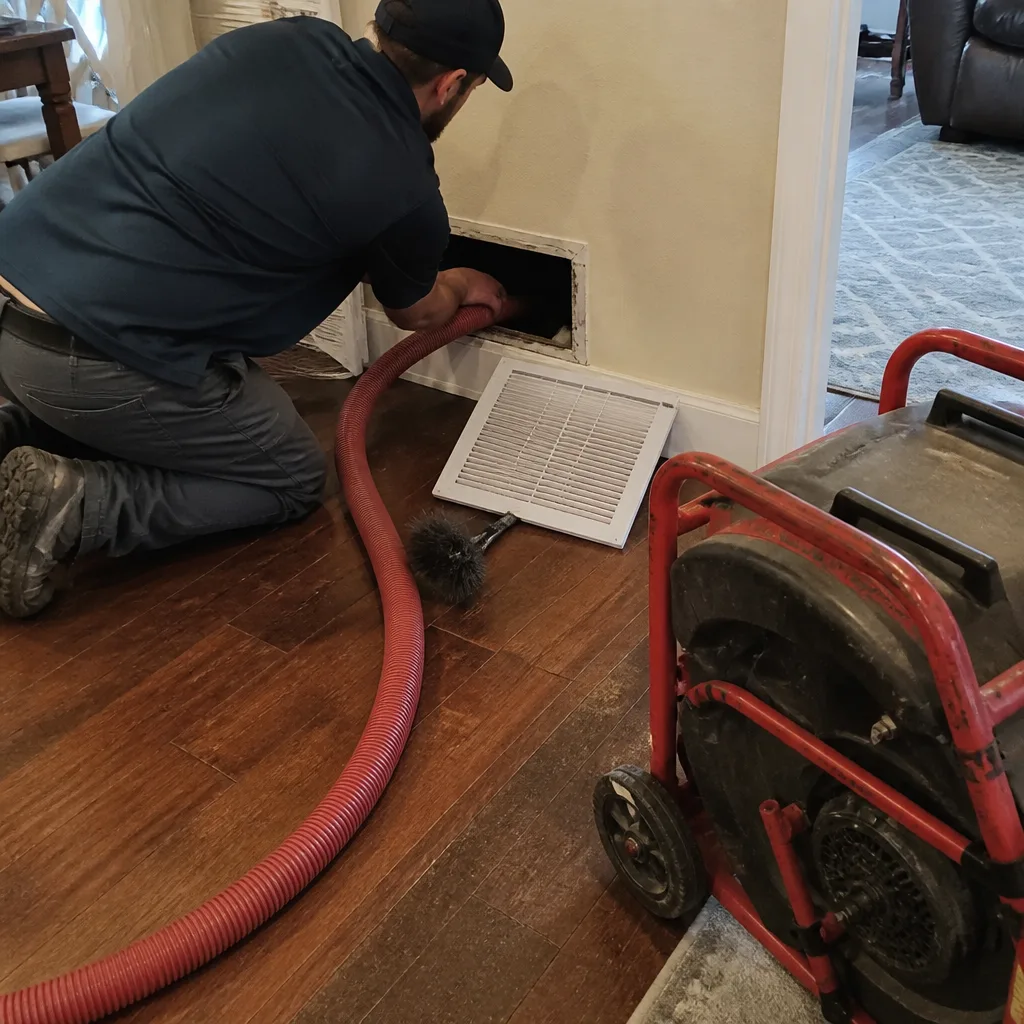
Every quote is delivered in writing before we touch a screw. The price includes negative-pressure extraction of each duct run, mechanical agitation at the register throat, before-and-after photography of every interior surface, and reinstallation with proper sealant at the collar. If we find a grille that needs physical replacement rather than cleaning, the Guardsman equivalent is priced separately with the OEM option shown alongside. All work is backed by our 365-Day Done Right Promise, documented in writing on the job record. We don’t do per-vent pricing - it’s a flat system price, agreed before we start, so the number you approve is the number on the final invoice.
DIY or Call Us?
There’s a safe middle ground here. Any homeowner can remove a grille cover with a screwdriver, vacuum the visible face, and look down the throat with a flashlight. If you see clean metal for several inches, the blockage is likely deeper and you’ll want the camera inspection to locate it. If you see the debris mat right at the throat, stop - compressed air or a household vacuum will pack it tighter and can force material past the boot into the duct run, where it becomes harder and more expensive to extract.
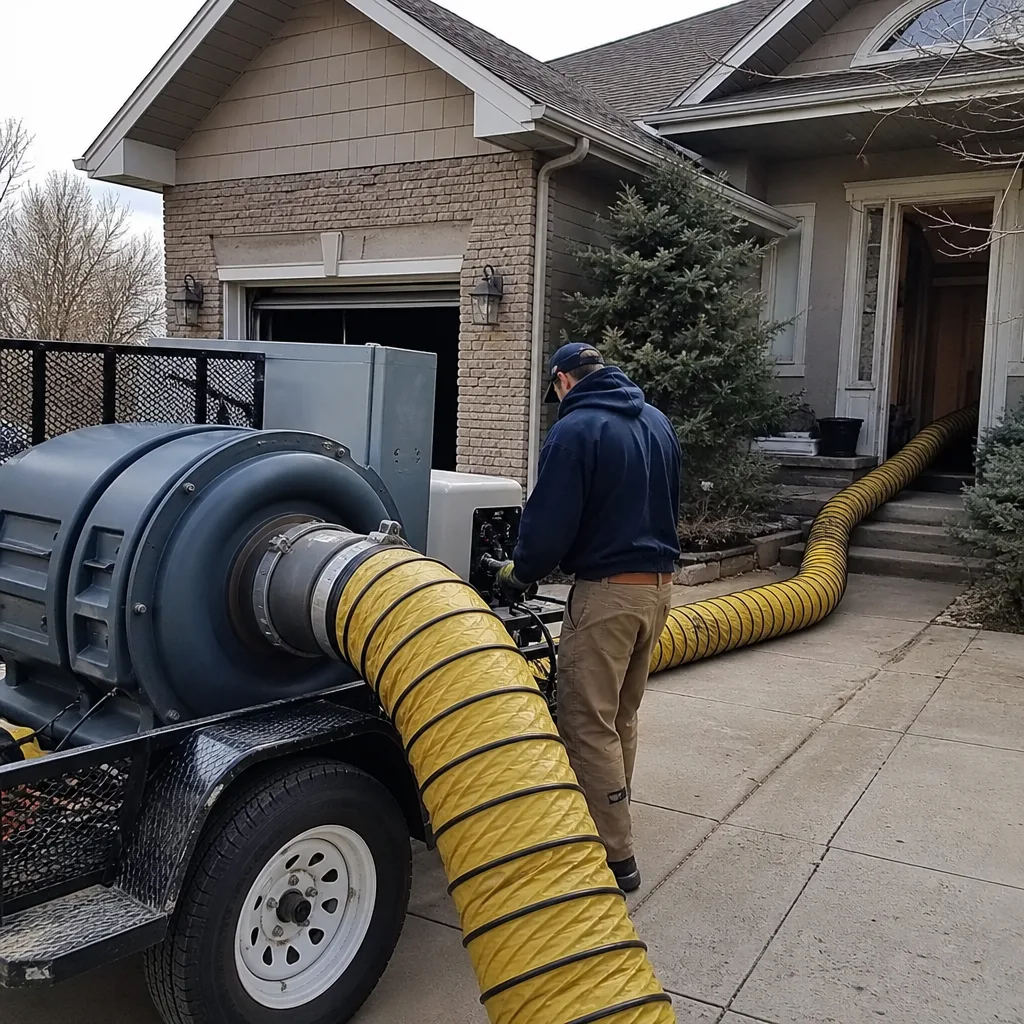
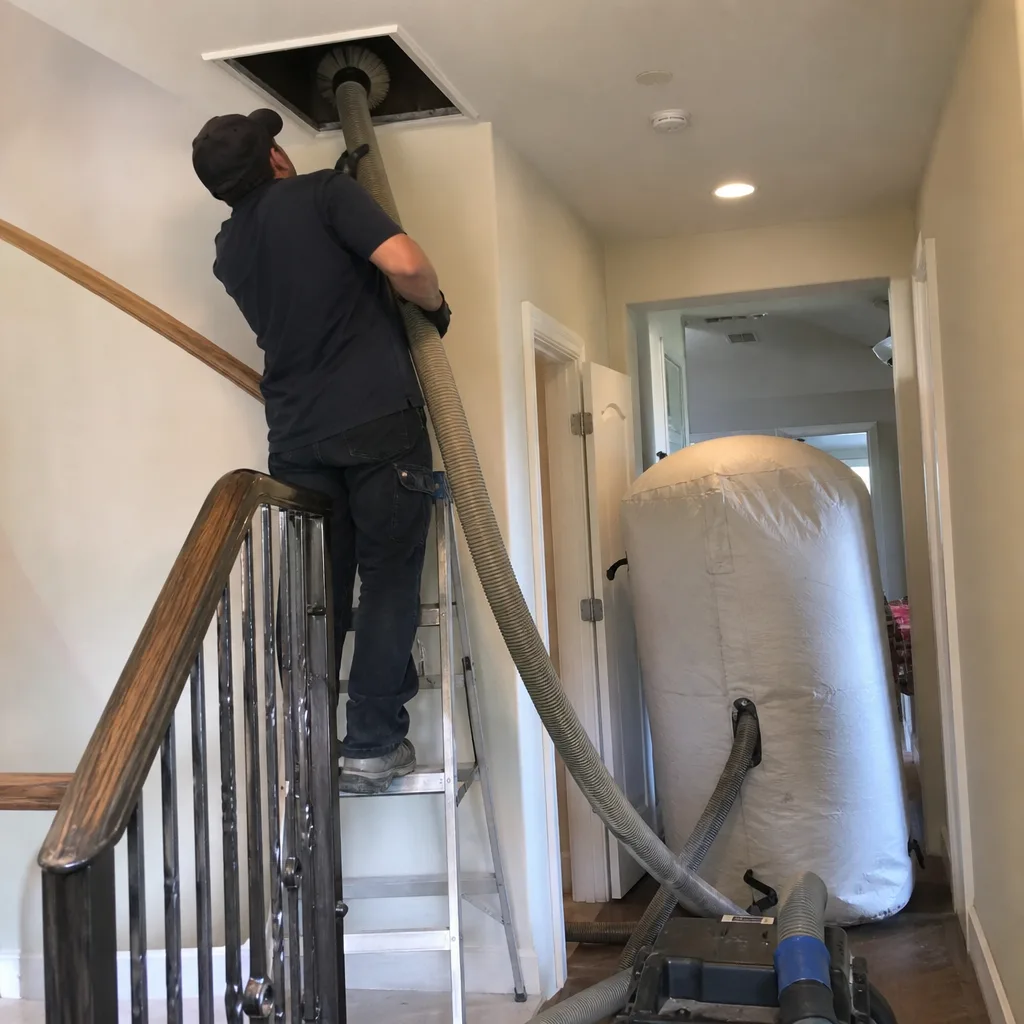
The real risk isn’t injury with this part; it’s incomplete work that looks finished. We’ve opened systems in Parker where the homeowner “cleaned” the grilles six months prior, but the camera showed untouched debris 18 inches past the collar where the vacuum wouldn’t reach. Our crew uses Rotobrush mechanical agitation and Nikro negative-pressure equipment to pull debris back toward the vacuum source rather than pushing it deeper. If you want to know what’s actually in there before deciding on professional cleaning, call us at (719) 259-4520. We’ll run the camera first, show you the photo, and put a written price next to it. Show the duct first. Talk price second.
FAQs
In Parker’s climate, with its freeze-thaw cycles and spring dust loads, a Honeywell grille that’s cleaned every 3-5 years will function for 15-20 years before the plastic or metal fatigues. The adjustable vane mechanism on A Series units is usually the first failure point, typically at 8-12 years when the factory lubricant degrades and debris accelerates wear. Call (719) 259-4520 if your grilles are past the decade mark and you’re seeing airflow issues - we can inspect without commitment and give you a written assessment.
Sometimes. Seized vanes on A Series units can occasionally be freed with proper solvent cleaning and relubrication, but the repair is temporary - the mechanism will seize again, usually within 18 months, because the original tolerances are compromised. Fixed-blade H Series grilles have no moving parts to repair; if they’re cracked or the collar seal is blown, replacement is the only lasting fix. We document both options on the written quote when both apply.
A typical Parker home with 10-12 grilles takes 3 to 4 hours from arrival to final photo delivery. L Series low-profile units add 15-20 minutes each if collar extensions need adjustment. We don’t rush the photo record - every before-and-after set is reviewed with the homeowner before we pack up, and the digital files are delivered as part of the standard job record.
We stock Guardsman aftermarket equivalents for all three Honeywell series - H, A, and L - in the most common sizes (4×10, 6×10, 6×12, and 8×14 inch face dimensions). For odd sizes or specific OEM Honeywell finishes, we can source within 24-48 hours. Every truck also carries the full Rotobrush and Nikro cleaning rig, so we can clean what you have and replace what needs replacing in the same visit without a return trip.
CleanRun Duct Repair & Cleaning is an independent service provider, not affiliated with Honeywell International Inc. We also stock and service Lennox, Trane, and Carrier register and grille systems.
Ready to see what’s actually inside your ducts? Call (719) 259-4520. We’ll answer live, schedule at your convenience, and arrive with the camera running before any price gets discussed. Written quote first. Documented result last. That’s the Haven Standard.
Written by Tomas Reyes, Owner & Lead Technician, CleanRun Air Duct Cleaning Parker at CleanRun Air Duct Cleaning Parker, serving Parker and nearby areas.