
Whole-system duct and dryer vent check with before-and-after photos - you see exactly what came out of your vents
That "$99 whole-house special" is a bait ad - the real number appears once they are in your hallway, or the "clean" is a shop-vac at the register. We photograph the inside of your ducts before and after instead.
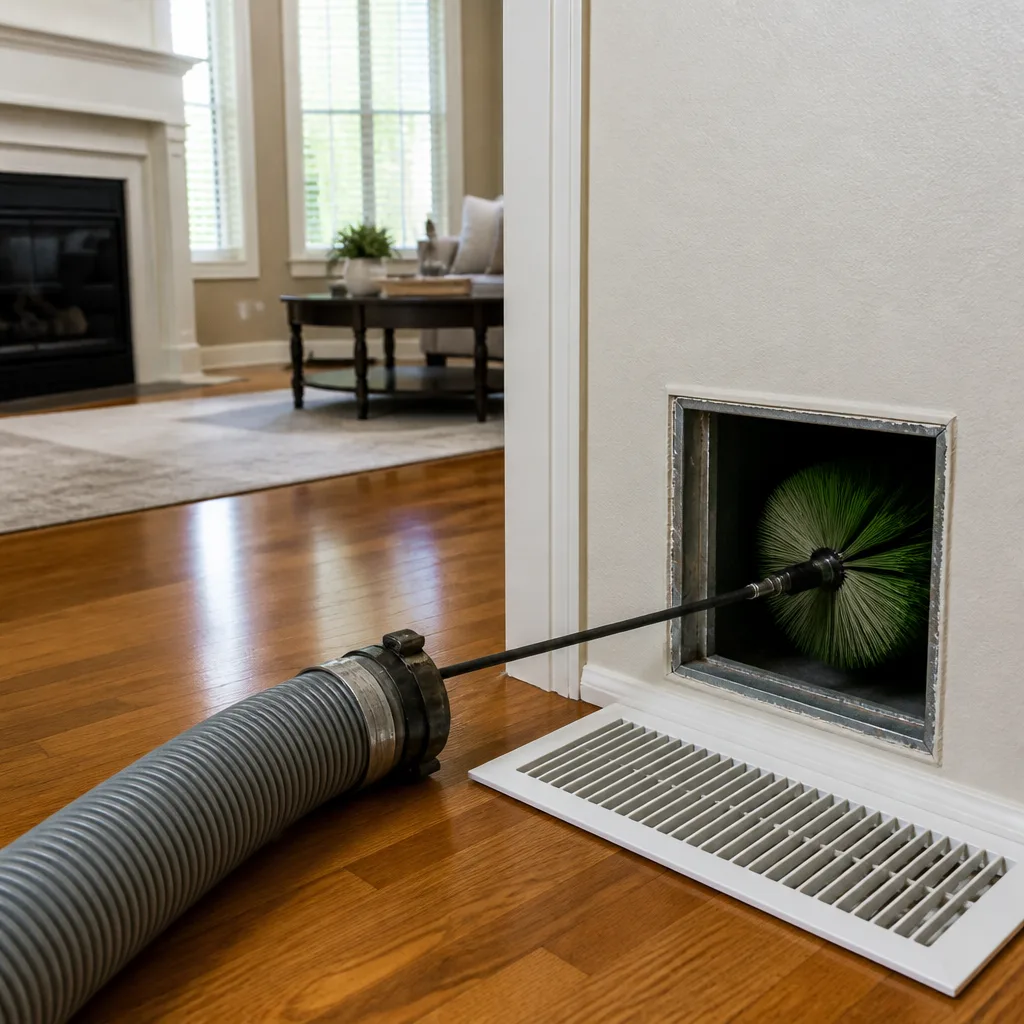
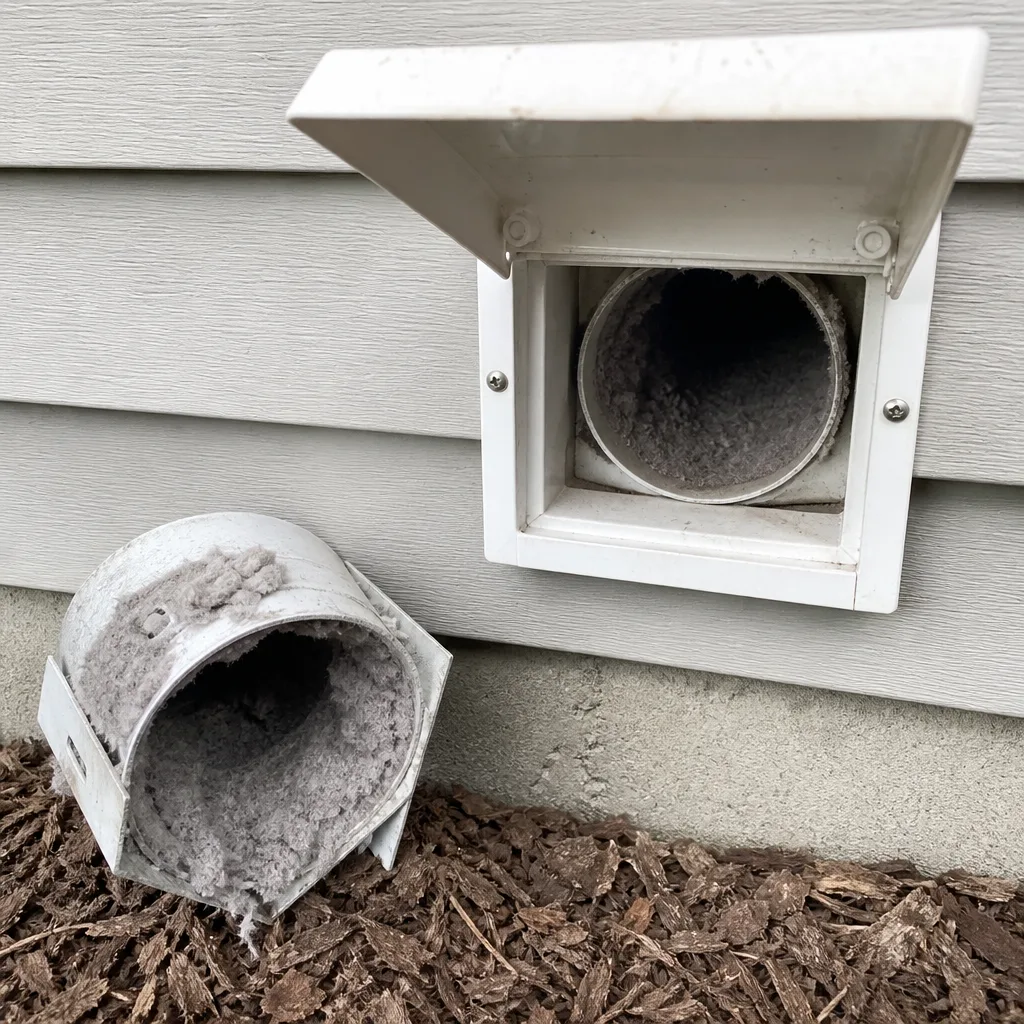
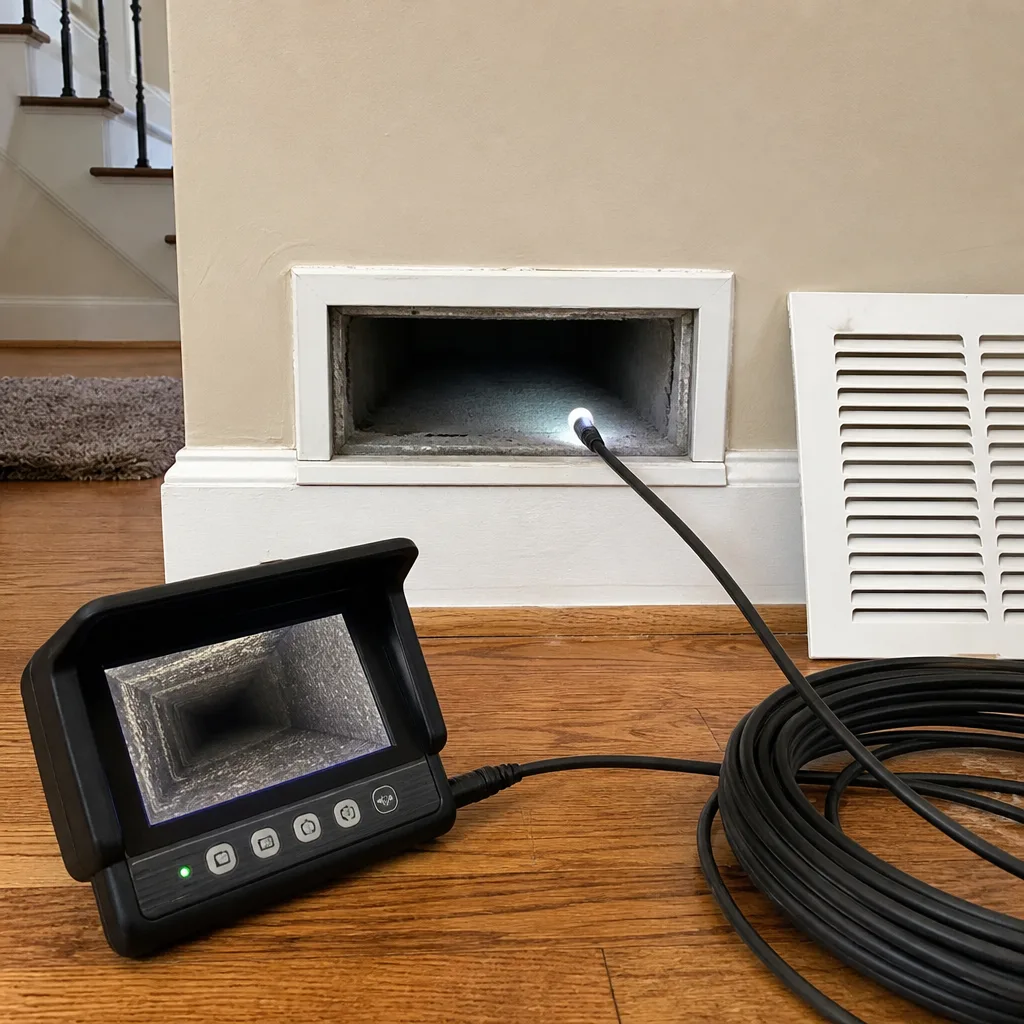
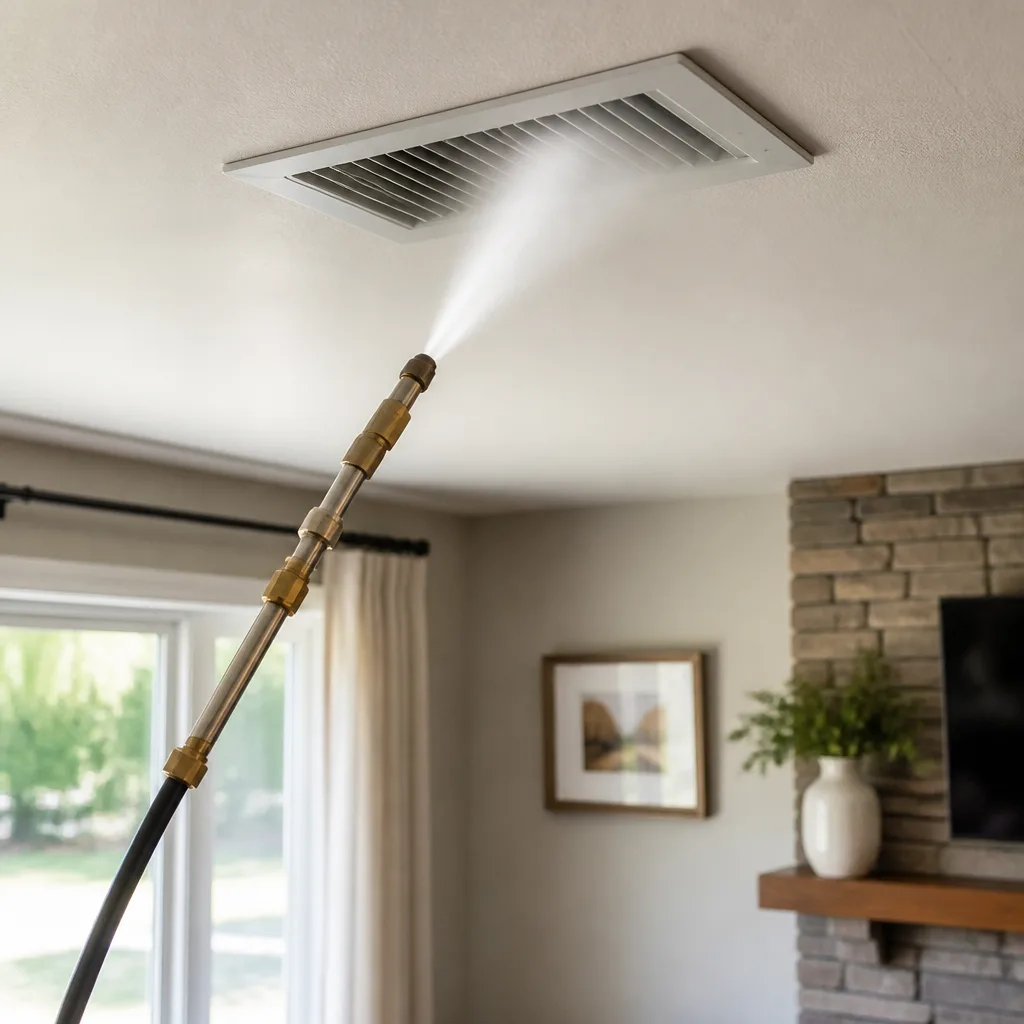
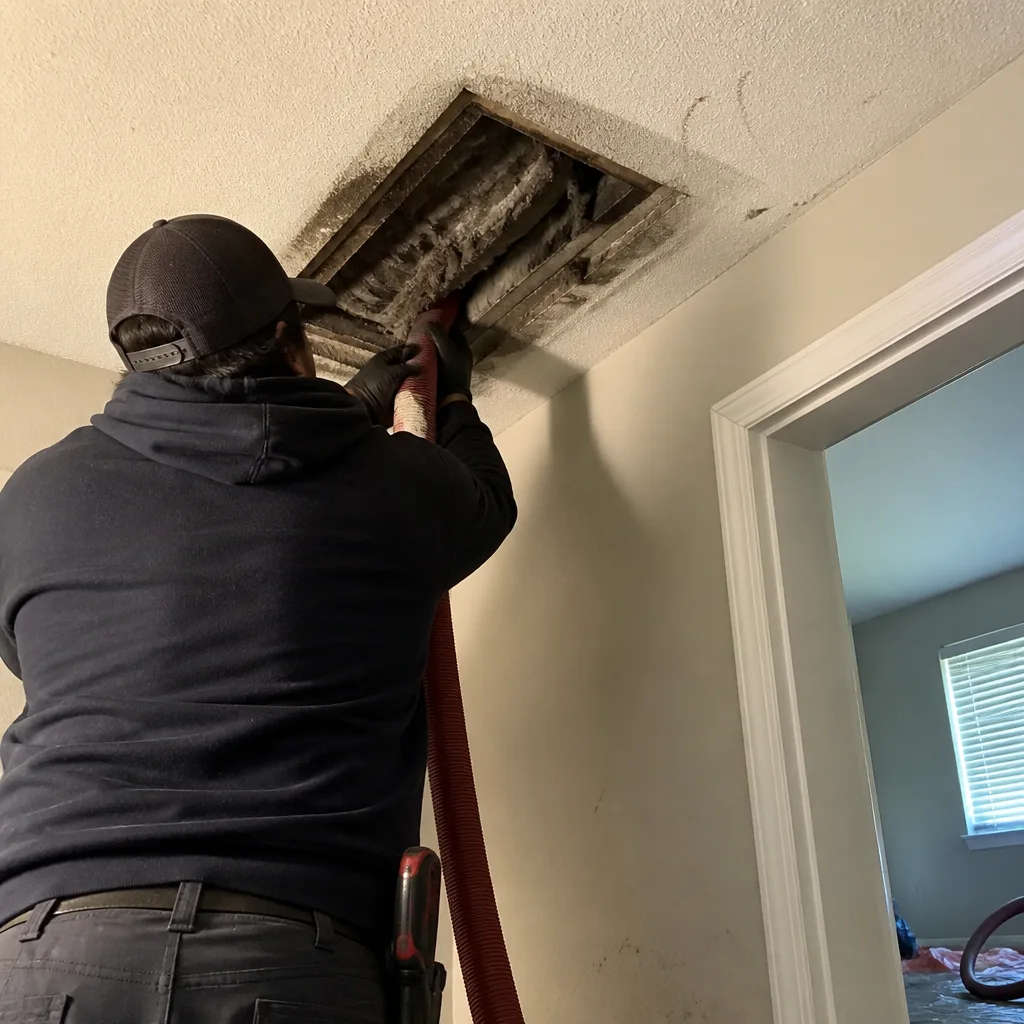 Before
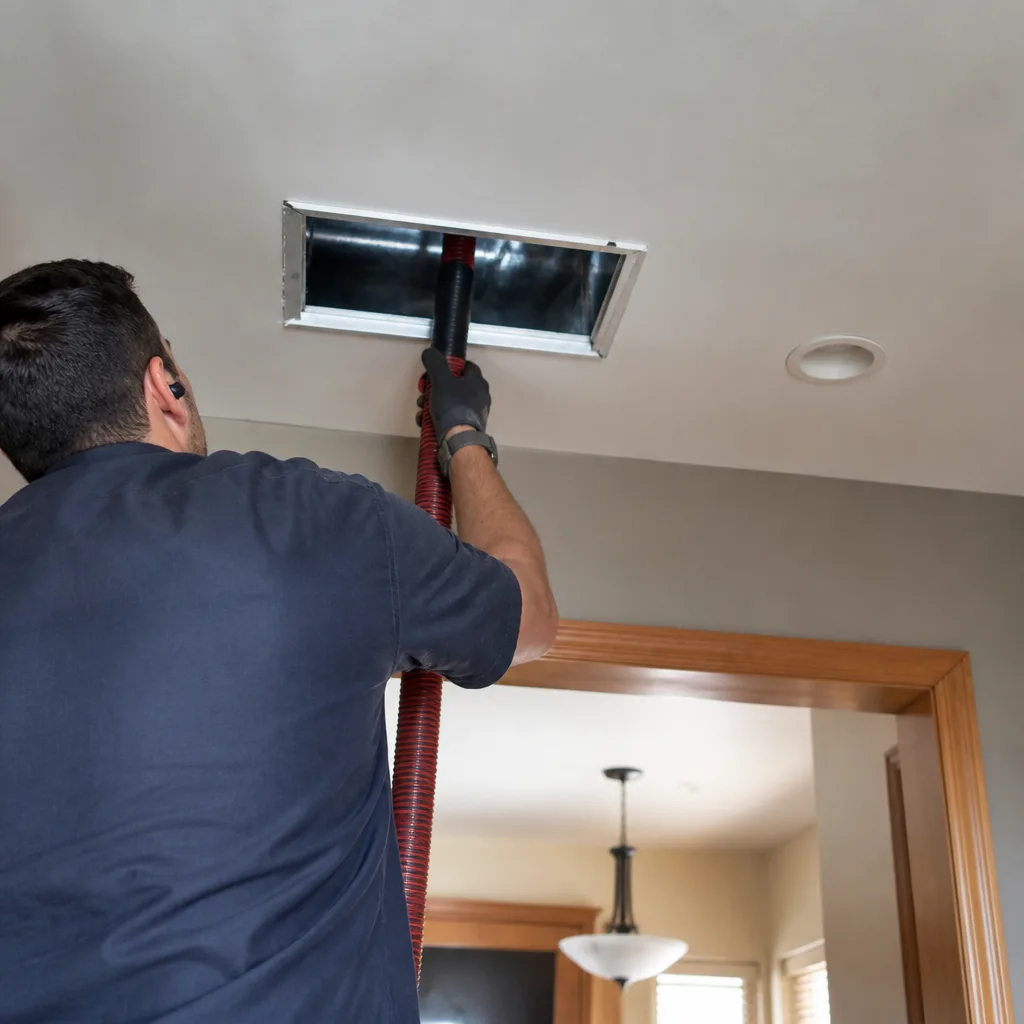 After
After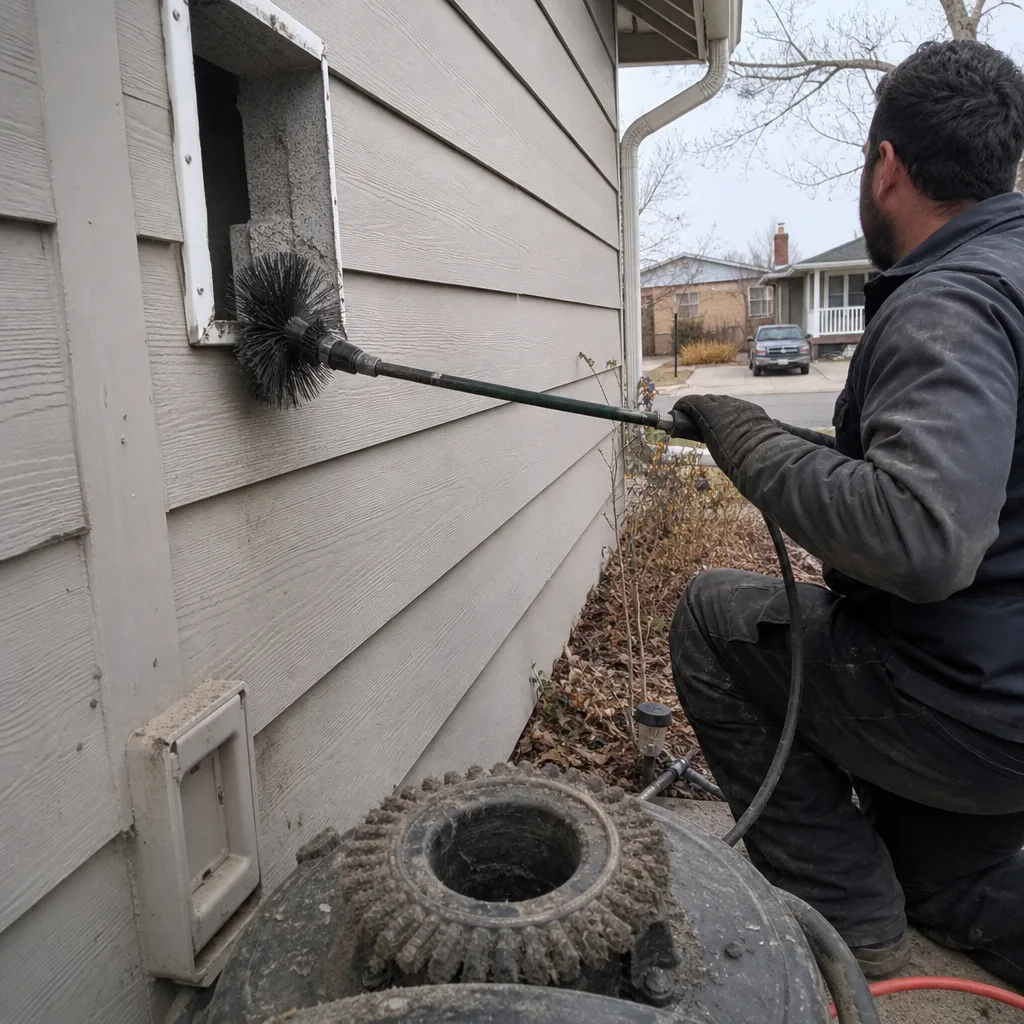 Before
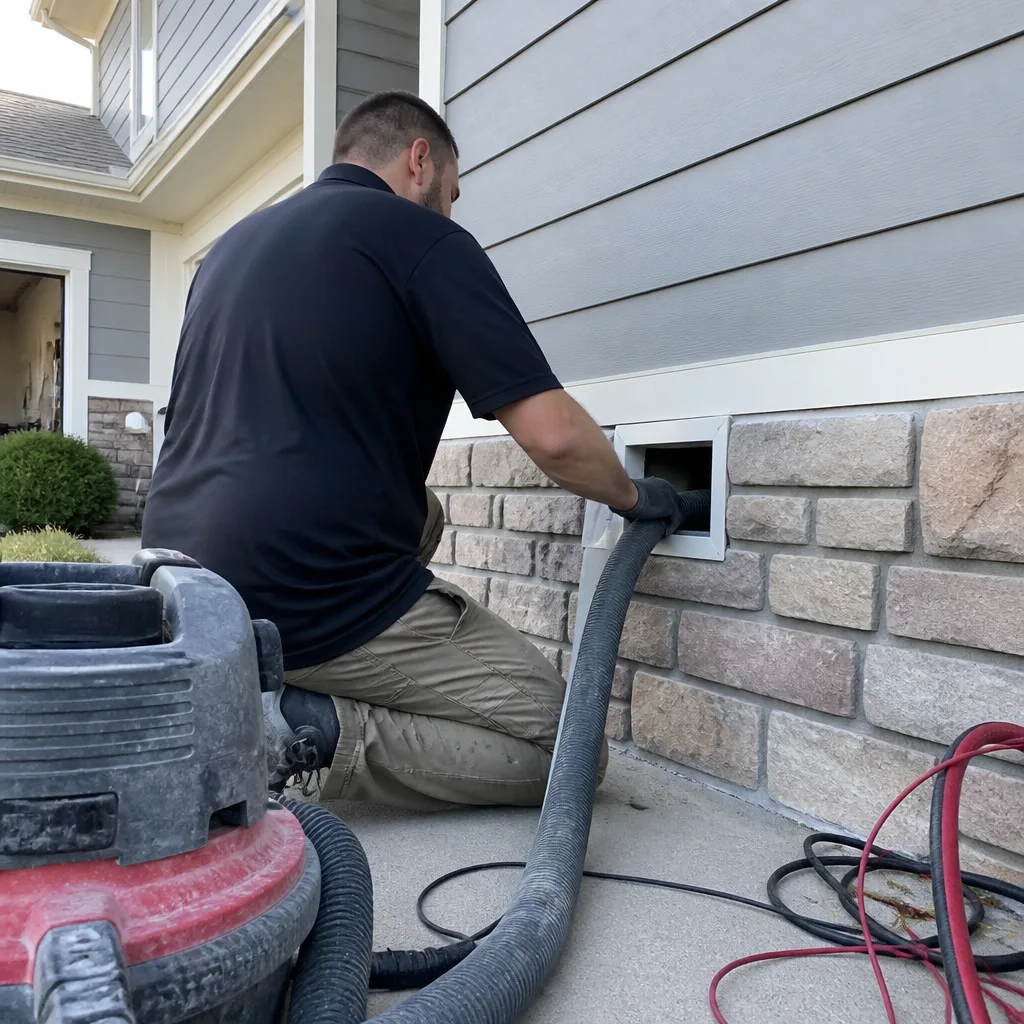 After
After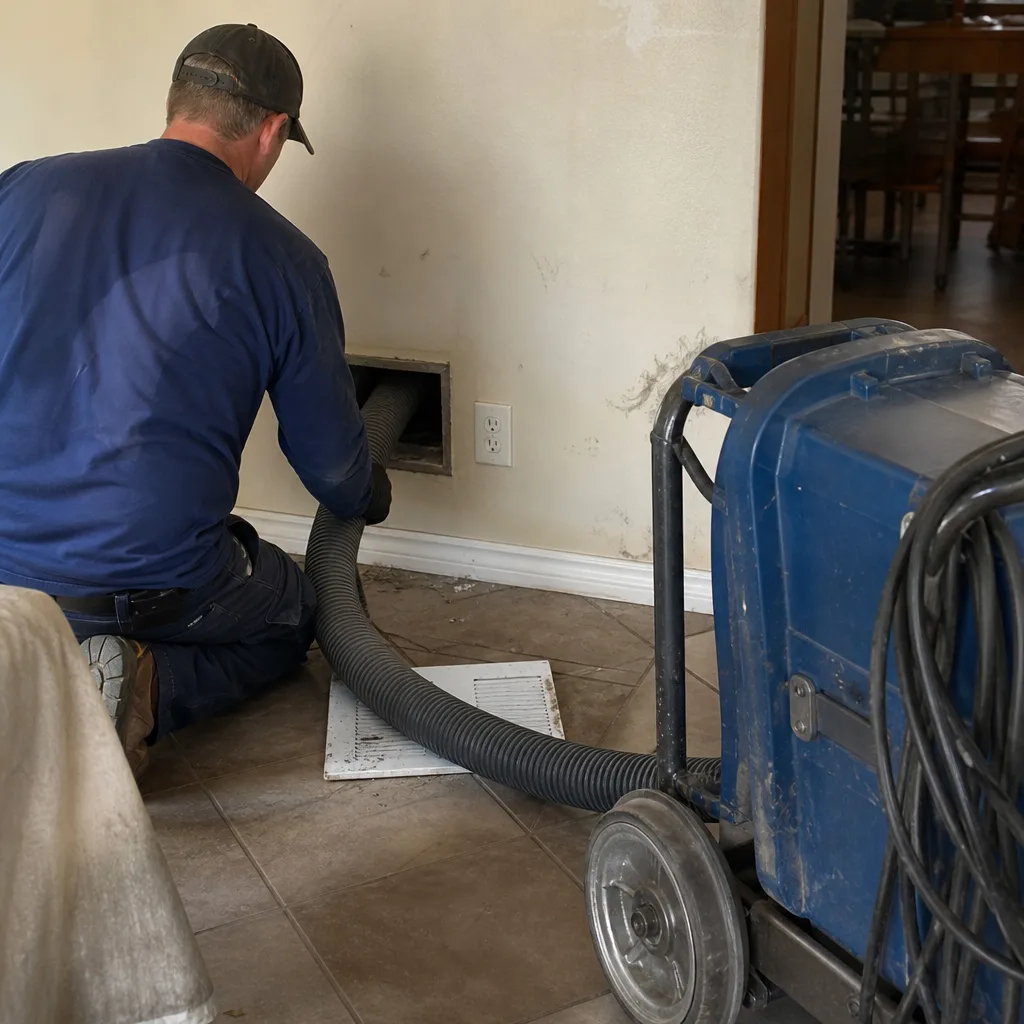 Before
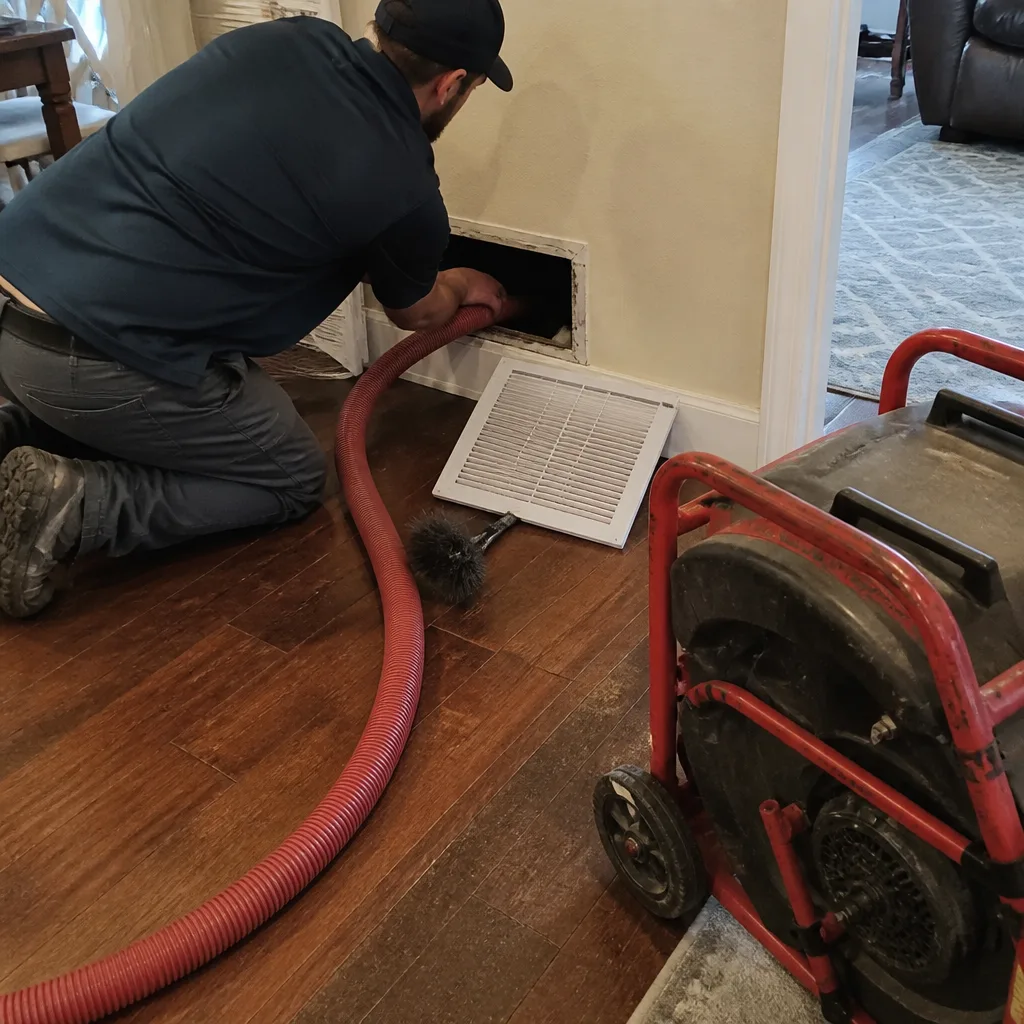 After
AfterNikro Register & Grille Cleaning: The Parker Owner’s Guide
We stock and install Nikro-compatible register and grille cleaning assemblies for residential duct systems in Parker, with typical installed pricing between $340 and $580 depending on register count and system configuration. Most jobs are completed in a single visit because we carry the full Nikro-compatible brush and vacuum attachment set on every truck. Homeowners usually notice the problem when registers stay dusty days after cleaning, or when the vacuum hose won’t seat properly on older Nikro-style rectangular grilles common in Parker homes built between 2005 and 2018.
Which Nikro Models This Applies To
Nikro’s register and grille cleaning line breaks into two series that matter for Parker homeowners: the standard RG-series round brushes (6-inch, 8-inch, and 12-inch diameters) and the older rectangular RG-R series that was common on trunk-line returns in the Denver metro area through about 2016. The RG-series uses a quick-connect collar that mates with Nikro’s own vacuum wands; the RG-R series used a threaded interface that cross-threads easily if forced.
Here’s how to tell which you have: look for a stamped model number on the brush collar, or measure the outer diameter of your register opening. The 6-inch RG-6 fits standard 4×10 and 4×12 floor registers found in most Parker ranch homes. The 8-inch RG-8 is what you’ll find on 6×12 and larger wall returns in two-story builds around Pradera and Canterberry. We also see the discontinued RG-R180 in homes near Fox Run Preserve Park, where builders spec’d them for high-volume returns during that 2012-2016 construction wave.
OEM Nikro brushes run 30-40% higher than quality aftermarket equivalents from Abatement Technologies and Guardsman, which we also stock. The aftermarket brushes use the same polypropylene bristle density and fit the same collars; the difference is in the collar alloy, where Nikro uses a slightly harder polymer that resists cracking in Colorado’s low-humidity winters. For most Parker homes, the aftermarket equivalent lasts 8-12 cleaning cycles, which translates to 4-6 years of normal residential use.
Signs Your Nikro Register & Grille Cleaning Is Failing
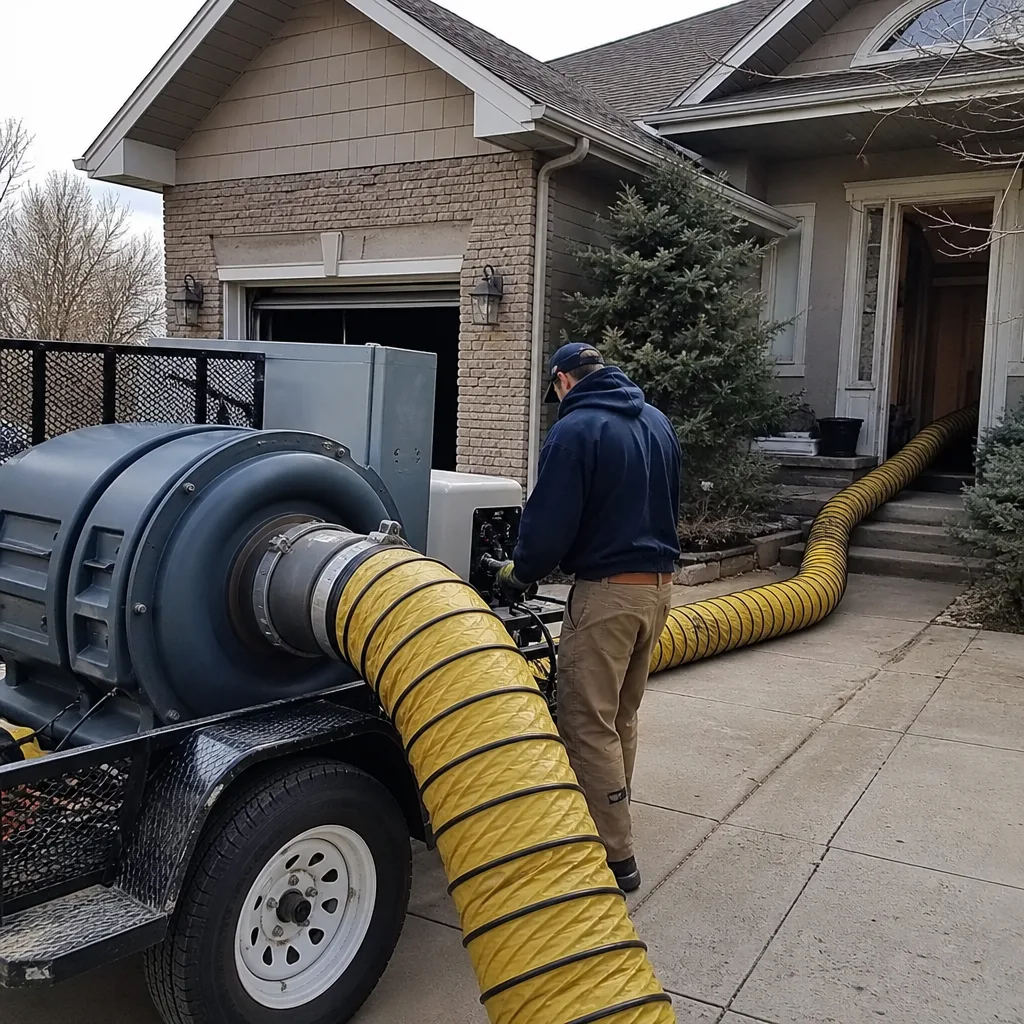
- Bristles splay outward and won’t retract through the register opening. This means the polypropylene has fatigued from heat cycling, usually after 6+ years of passing warm air in winter and conditioned air in summer. Splayed bristles jam against register louvers and can detach inside the duct run.
- The vacuum wand loses suction seal at the grille face. The foam gasket on Nikro wands compresses permanently after roughly 50 uses; once it won’t rebound, you’re pulling dust from the room air instead of the duct interior. We check gasket depth with a feeler gauge during every service.
- Brush rotation chatters or stalls under light load. The flexible drive cable inside the wand develops flat spots from storage in the truck coiled too tight. This is common with Nikro’s .375-inch cable on jobs where the technician worked from a ladder and let the wand hang.
- Metal collar threads strip when attaching to the vacuum hose. The RG-R series aluminum collar is soft; cross-thread it once and the seal is gone. We see this most on older Parker homes where homeowners attempted DIY cleaning with the wrong rotation direction.
- Visible bristle loss leaving bare patches on the brush head. Each patch represents duct liner debris that wasn’t removed on prior cleanings, which means the brush was already failing. Bare brushes also score galvanized ductwork, creating rust initiation points.
BeforeAfterReplacement Cost & What’s Included
For Parker homes, our installed register and grille cleaning service with Nikro-compatible equipment runs $340 to $580 for a complete system, with the final price set before we touch a single register cover. The low end covers homes with 8-10 standard floor registers and straight duct runs; the high end applies to 15+ registers, wall returns on second floors, or homes with the larger RG-8 assemblies on high-volume returns.
That price includes the brush and wand set, gasket replacement, full negative-pressure extraction (vacuuming the duct interior while the brush agitates), and our Documented Photo Record of every register before and after. We photograph the interior of each duct run through the register opening so you can see what was actually removed, not just take our word for it. Haven Standard Clause 1 applies: the written price is the price, with no per-vent add-ons or equipment surcharges after the fact.
The 365-Day Done Right Promise covers the workmanship and materials. If a gasket fails or a brush collar cracks within a year, we replace it and re-clean the affected run at no charge.
DIY or Call Us?
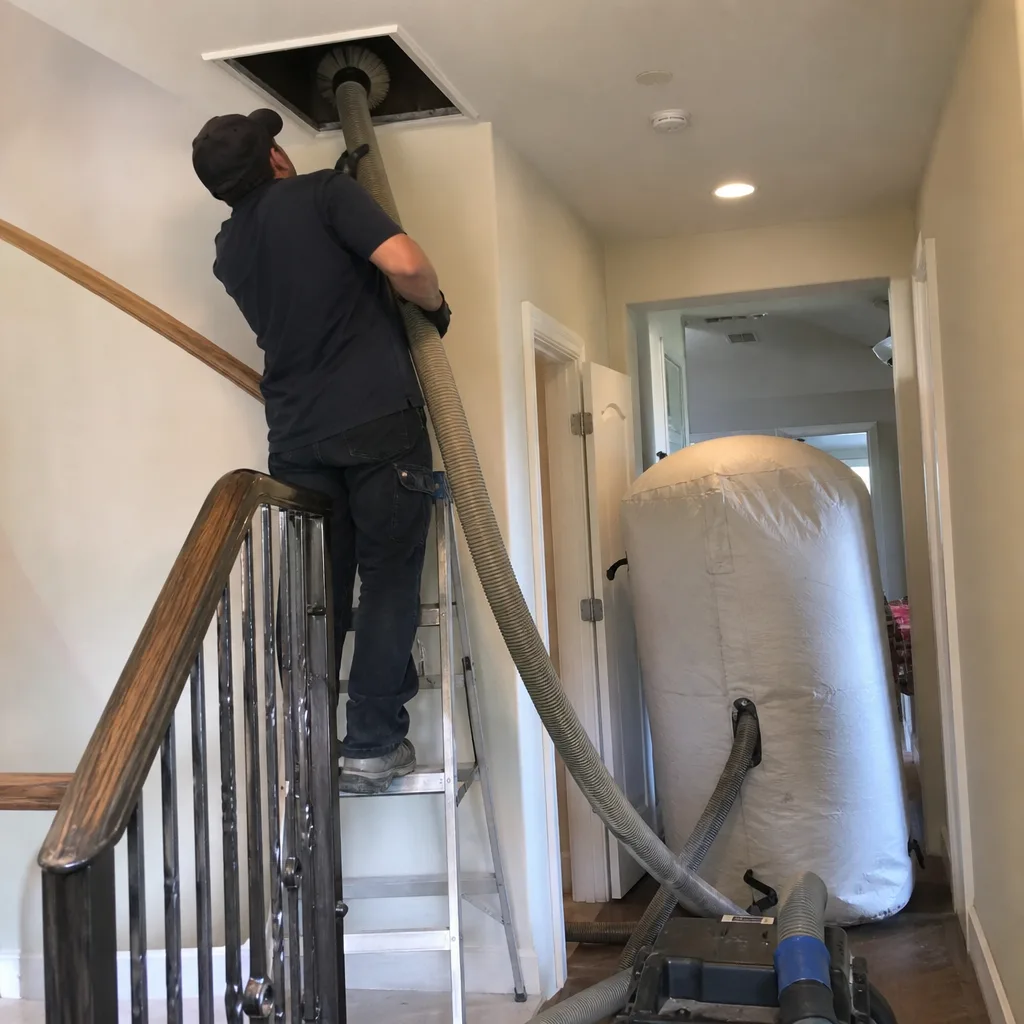
There’s no high-tension spring or electrical hazard in register cleaning, so the safety barrier is lower than with some HVAC components. What goes wrong is subtler: homeowners often push a failing brush deeper into the duct run when it jams, which lodges bristles in the duct liner or scratches galvanized steel. A scratch through the zinc coating starts rust in Parker’s variable humidity, especially in basement returns where condensation collects.
You can safely check two things yourself: verify the brush collar threads turn freely by hand (never force it), and look through the register with a flashlight for visible debris build-up at the first elbow. If the brush chatters, the gasket won’t hold suction, or you can’t see past the first bend, the duct run needs a camera inspection before any agitation. We pull the inspection camera first on every job. Show the duct first. Talk price second.
When you’re ready for a written estimate, call (719) 259-4520. We’ll put our number next to any competitor’s quote under our Free Second Opinion.
FAQs
Professional-grade brushes and wands typically last 8-12 cleaning cycles in residential use, which translates to 4-6 years for most Parker homeowners. The dry climate and high pollen load from cottonwood and sagebrush in spring accelerate bristle fatigue, so homes near Fox Run Preserve Park or along the Cherry Creek corridor often see shorter service life. Call (719) 259-4520 for an exact quote on replacement - estimates are free.
Individual bristles cannot be replaced effectively; once the polypropylene matrix fatigues, the brush head needs complete replacement. Gaskets and collars can sometimes be rebuilt, but the labor cost approaches replacement, and a rebuilt collar rarely matches OEM suction performance. We stock complete assemblies so the job finishes in one visit. Call (719) 259-4520 for an exact quote - estimates are free.
A full register and grille cleaning on a typical Parker home takes 2.5 to 4 hours, including setup, the Documented Photo Record of every run, and equipment sanitization before we leave. Single-register replacement for a failed brush assembly takes 45 minutes if that’s all that’s needed. Call (719) 259-4520 to schedule - estimates are free.
Yes. We carry the RG-6, RG-8, and RG-12 brush sets, replacement gaskets, and both quick-connect and threaded collars on every CleanRun truck serving Parker. We also stock Abatement Technologies and Guardsman equivalents for same-day compatibility if your system uses mixed hardware. Call (719) 259-4520 to confirm fitment before we dispatch - estimates are free.
CleanRun Air Duct Cleaning Parker is an independent service provider and is not affiliated with Nikro. We also stock parts for Lennox, Trane, and Carrier systems.
Written by Tomas Reyes, Owner & Lead Technician, CleanRun Air Duct Cleaning Parker at CleanRun Air Duct Cleaning Parker, serving Parker and nearby areas.